


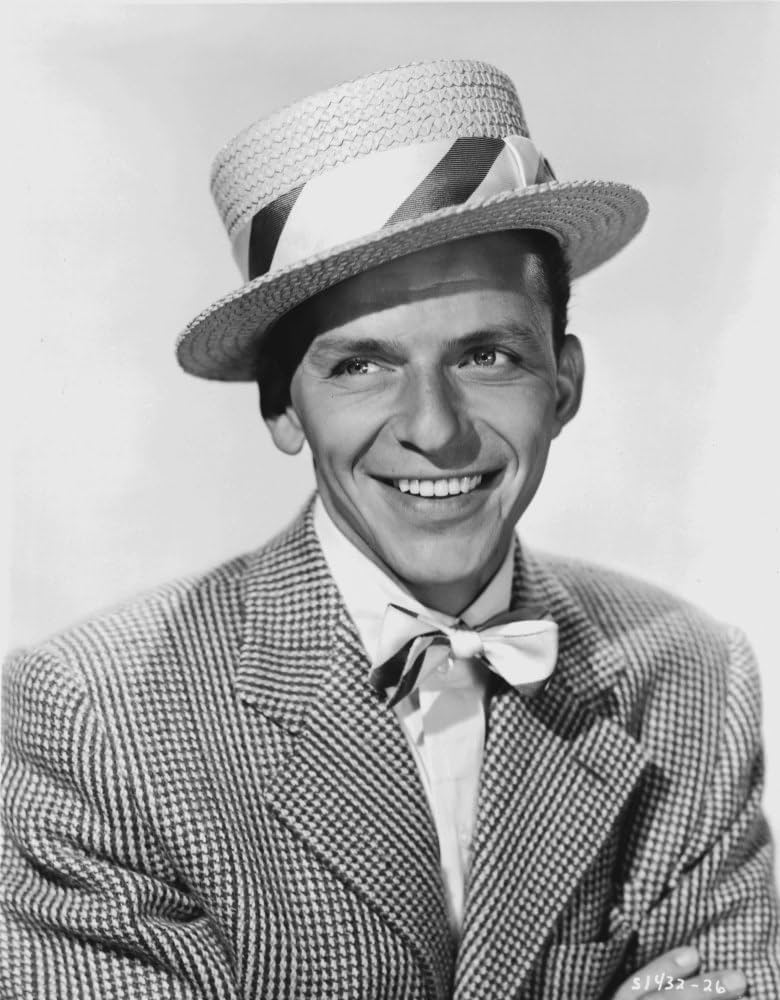
Early life and musical beginnings
Frank Sinatra was born on December 12, 1915, in Hoboken, New Jersey. Growing up in a working class Italian American family, he was surrounded by music from an early age. His mother encouraged his passion, while his father supported his ambitions quietly. Sinatra was heavily inspired by artists like Bing Crosby, whose relaxed vocal phrasing shaped Sinatra’s own signature style.
Before achieving fame, Sinatra worked various jobs while singing in small clubs. His big break came when he joined bandleader Harry James in 1939, followed by a career defining move to Tommy Dorsey’s orchestra. It was here that Sinatra refined his breath control and phrasing, techniques that would later define his legendary sound.
rise to stardom and cultural impact
The 1940s marked Sinatra’s explosion into fame. Known as the first teen idol, he attracted massive crowds of devoted fans. His ability to convey emotion made his music deeply personal. Songs like I’ll Never Smile Again in 1940 and Night And Day in 1942 showcased his early brilliance.
However, fame came with challenges. By the early 1950s, Sinatra’s popularity declined due to changing musical trends and personal struggles. Yet, this period set the stage for one of the greatest comebacks in music history.
the comeback and golden era
Sinatra’s career revival began with his role in the film From Here to Eternity in 1953, which earned him an Academy Award. This success reignited his music career, leading to a partnership with Capitol Records.
During the 1950s and 1960s, Sinatra released some of his most iconic songs and albums. His voice matured, and his interpretations became richer and more nuanced. Albums like In The Wee Small Hours and Songs For Swingin’ Lovers redefined the concept of a cohesive studio album.
highs and lows of a legendary career
Sinatra’s life was a blend of extraordinary success and personal turbulence. He experienced highs such as sold out concerts, chart topping records, and global recognition. At the same time, he faced public scrutiny over relationships, career dips, and changing music trends.
Despite this, Sinatra remained resilient. He adapted to evolving audiences while staying true to his artistic identity. His later years saw continued success with songs like My Way and New York New York, cementing his status as a timeless icon.
best selling singles and albums
Some of Sinatra’s most successful works include:
Strangers In The Night album which became a global hit
My Way which became one of the most covered songs in history
New York New York which became an anthem for ambition and success
His ability to connect emotionally with listeners ensured consistent commercial success across decades.
top 100 frank sinatra songs of all time
Below is a carefully curated list of 100 of Frank Sinatra’s greatest songs, along with their release years:
why frank sinatra still matters today
Frank Sinatra’s music continues to resonate because it captures universal emotions. His songs speak of love, resilience, joy, and reflection. Unlike many artists, Sinatra did not just sing songs. He told stories.
His influence can be heard in modern artists across genres, from pop to jazz. His phrasing, timing, and emotional delivery remain benchmarks for vocal excellence.
final thoughts
Frank Sinatra’s legacy is timeless. From humble beginnings in New Jersey to becoming one of the greatest entertainers of all time, his journey is a testament to passion, perseverance, and artistry.
Whether you are discovering him for the first time or revisiting old favourites, these 100 songs offer a perfect gateway into his extraordinary world. His voice continues to inspire, uplift, and remind us that the best truly is yet to come.