

Mental Health for DJs and Musicians
I’ve been DJing for over 25 years. Clubs, festivals, radio, touring, warm-ups, headline slots, empty dancefloors and packed ones that felt like magic. I’ve seen trends come and go, technologies change, and entire scenes rise and fall. What hasn’t changed nearly enough is how little we talk about mental health for DJs and musicians.
For a long time, the music industry has worn burnout like a badge of honour. Late nights, early flights, endless graft, pressure to stay relevant, pressure to perform, pressure to look like you’re “living the dream” even when inside you’re running on empty. If you’re a DJ or musician reading this, I want you to know something straight away: struggling doesn’t mean you’re weak, and taking care of your mental health doesn’t make you any less dedicated to your craft. In fact, it’s the opposite.
This article is written from the heart, not a textbook. It’s for DJs, producers, vocalists, instrumentalists, bedroom creatives and touring professionals alike. Mental health in music affects us all, whether you’re just starting out or you’ve been doing this longer than you care to admit.
The reality of mental health in the music industry
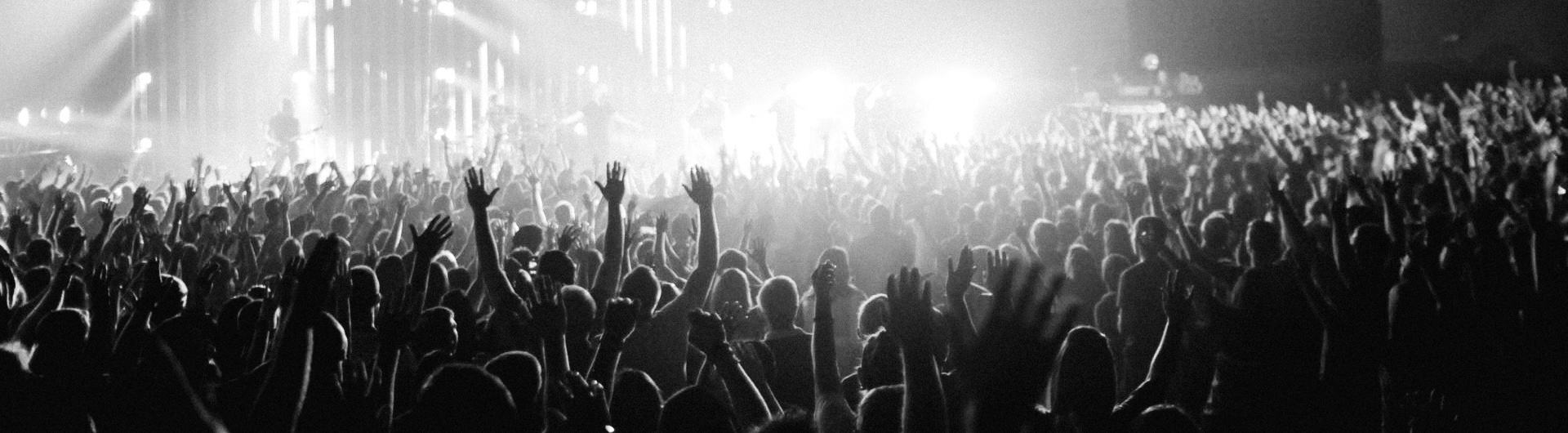
On the outside, DJ life can look glamorous. Crowds cheering, hands in the air, photos that scream success. On the inside, it can be isolating, anxiety-inducing and mentally exhausting. Mental health issues in the music industry are far more common than most people realise. Anxiety, depression, imposter syndrome, burnout and substance dependency are not rare side effects; they are systemic problems.
DJs and musicians often work irregular hours, experience disrupted sleep patterns and rely on freelance income that can fluctuate wildly. That instability alone is enough to impact mental wellbeing. Add social media pressure, constant comparison, algorithm anxiety and the unspoken fear of being forgotten, and you have a perfect storm.
When I started, nobody talked about mental health for DJs. You just cracked on. If you were struggling, you kept it to yourself. These days, the conversation is opening up, and that’s a good thing. But there’s still a long way to go.
Burnout behind the decks
Burnout doesn’t always arrive with flashing warning lights. Sometimes it creeps in quietly. You stop enjoying gigs you once loved. You feel numb rather than excited. Music starts to feel like a chore instead of a passion. That’s burnout, and it’s incredibly common among DJs and musicians.
Touring burnout is real. So is local scene burnout, radio burnout and online burnout. Saying yes to everything because you’re scared to miss opportunities eventually catches up with you. I’ve been there. Many of my peers have been there too.
Mental health for musicians isn’t just about crisis moments. It’s about sustainability. If you want longevity in this industry, you need to protect your mind as carefully as you protect your hard drives and music libraries.
Anxiety, imposter syndrome and comparison culture
One of the biggest mental health challenges for DJs today is comparison. Social media has amplified it tenfold. You see other DJs announcing big bookings, charting releases, viral moments, and it’s easy to feel like you’re falling behind. Imposter syndrome whispers that you’re not good enough, that you’ve just been lucky, that you don’t really belong.
Let me be clear. Every DJ I respect, including those at the very top, has felt this at some point. Confidence doesn’t mean the absence of doubt. It means continuing despite it.
Performance anxiety is another silent weight. The pressure to deliver every single time can be intense. You worry about empty dancefloors, technical issues, crowd reactions and online criticism. Learning to manage anxiety is not a sign of weakness; it’s a professional skill.
Substances, coping mechanisms and mental health
This is a tricky subject, but it needs honesty. Alcohol and drugs are deeply embedded in club culture. For some, they feel like a way to cope with nerves, fatigue or emotional lows. But what starts as a crutch can quietly become a problem.
Mental health for DJs and musicians is closely linked to how we cope with stress. Healthy coping mechanisms matter. Exercise, rest, boundaries, connection and creativity outside of performance all play a role. There’s no judgement here, only encouragement to be mindful and self-aware.
I’ve seen incredibly talented artists lose themselves because nobody helped them step back in time. The music industry doesn’t always look after its people, so we have to learn to look after ourselves and each other.
Isolation in a crowded room
One of the strangest things about DJing is how lonely it can feel, even when surrounded by people. You travel alone, stay in hotels alone, and often move between cities without building deep connections. Musicians face similar challenges, especially when touring or working remotely.
Mental health thrives on connection. Having people you can talk to honestly, without needing to perform or impress, is vital. That might be fellow DJs, musicians, family, friends or professional support. You don’t have to carry everything on your own.
Redefining success as a DJ or musician
A big part of protecting mental health in music is redefining what success means to you. If your definition is purely external, numbers-based or validation-driven, it will never feel secure. There will always be someone with bigger gigs, more followers or louder applause.
True success includes balance, wellbeing and joy. It includes waking up without dread, creating music because you love it, and being able to say no when something doesn’t serve you. As an experienced DJ, I can tell you that longevity beats hype every time.
Practical mindset shifts that help mental wellbeing
You don’t need to overhaul your life overnight. Small, consistent shifts can make a massive difference to mental health for DJs and musicians. Prioritising sleep when possible, eating properly on the road, moving your body and taking digital breaks all matter more than we’re taught to believe.
Setting boundaries is another game changer. You don’t owe everyone constant availability. Protecting your time and energy allows you to show up better when it matters.
Most importantly, give yourself permission to be human. You are not a content machine, a playlist factory or a brand before you are a person.
Talking about mental health without fear
One of the most powerful things we can do as DJs and musicians is talk openly about mental health. When someone respected in a scene speaks honestly, it gives others permission to do the same. That’s how stigma fades.
If you’re struggling, reaching out doesn’t mean you’re failing. It means you’re taking responsibility for your wellbeing. Whether that’s talking to a friend, a therapist or a mental health charity, support exists, and you deserve it.
Supporting each other in the DJ and music community
Community care matters. Checking in on each other, normalising rest, discouraging toxic hustle culture and calling out harmful expectations all contribute to better mental health across the industry. We can celebrate success without glorifying self-destruction.
As someone who’s been around a long time, I genuinely believe the next generation of DJs and musicians can build a healthier culture than the one we inherited. Awareness is growing, and that gives me hope.
Why mental health is essential for creativity
Your mind is your instrument. Creativity flows best when you feel safe, supported and grounded. Chronic stress and poor mental health don’t make you more authentic or edgy; they drain your creative spark.
When you look after your mental wellbeing, your music benefits. Your performances feel more connected. Your ideas flow more freely. You rediscover why you fell in love with music in the first place.
A final word from one DJ to another
If you take one thing from this article, let it be this. Your mental health matters just as much as your talent. You are allowed to slow down. You are allowed to ask for help. You are allowed to put yourself first.
I’ve lasted over 25 years in this game not because I never struggled, but because I learned, sometimes the hard way, that ignoring mental health comes at too high a cost. There is no shame in protecting your wellbeing. It’s an investment in your future.
At the end of the day, music should lift you up, not break you down.
Before I sign off, I want to recommend a genuinely valuable resource. We recommend a free charity that supports DJs and musicians called SoundCheck. They provide mental health support specifically for people in our industry, and their work is vital. You can find out more and access support via this link: https://soundcheck.org.uk/
Look after your mind, look after each other, and keep the music alive for the long run.