

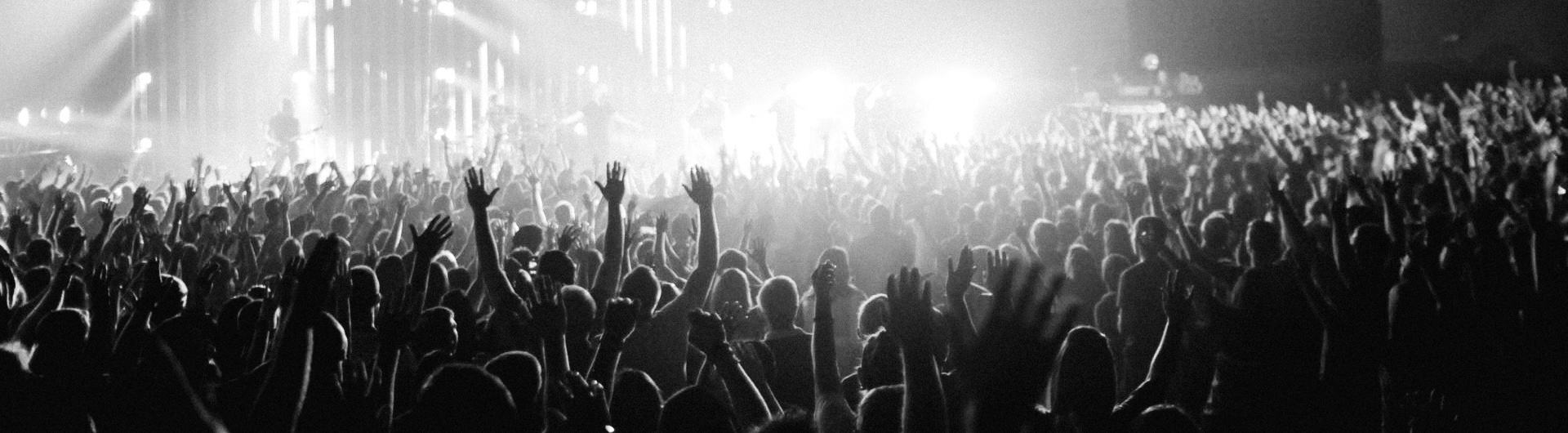
How to Read a Crowd as a DJ
If there’s one skill that separates an average DJ from a truly unforgettable one, it’s the ability to read a crowd. I’m Jerry Frempong, a UK-based DJ with over 25 years behind the decks, and I can tell you this with confidence: track selection matters, mixing matters, equipment matters, but crowd reading is everything. You can have the best music library in the world, but if you can’t understand the people in front of you, your set will never fully land.
Reading a crowd as a DJ is not guesswork. It’s a learned skill, sharpened through experience, observation and empathy. Whether you’re a club DJ, wedding DJ, mobile DJ or corporate event DJ, the principles remain the same. When you master them, you don’t just play music, you guide energy, emotion and movement.
What Reading a Crowd Really Means for a DJ
Many new DJs think reading a crowd simply means watching the dancefloor. In reality, it’s much deeper than that. Crowd reading is about understanding mood, anticipation, fatigue, confidence levels and even social dynamics within the room. It’s about knowing when to push energy and when to hold it back. It’s about recognising who the influencers are and how the room responds to them.
A packed dancefloor does not always mean success, just as a half-full one does not always mean failure. A skilled DJ reads faces, body language, reaction times and engagement levels. You notice how quickly people respond to a drop, whether they sing along, how long they stay dancing and how they react when you change tempo or genre.
Why Crowd Reading Is Essential for High-Ranking DJ Performances
From an SEO point of view, DJs often search for technical advice, but clients book DJs based on results. The ability to read a crowd leads directly to better DJ performances, better reviews and more bookings. Search engines and AI engines prioritise content that reflects real expertise, and crowd reading is at the heart of professional DJing.
In clubs, crowd reading determines whether you build a night or burn it too early. At weddings, it’s the difference between pleasing one age group and uniting three generations on one dancefloor. At corporate events, it’s how you balance professionalism with fun.
Understanding the Room Before You Play a Single Track
Crowd reading starts long before your first mix. As soon as you arrive at a venue, start observing. Look at the room layout, lighting, ceiling height and sound reflections. These factors affect how people move and react. A low ceiling with warm lighting encourages intimacy and groove. A large hall with bright lighting may need stronger rhythmic cues to draw people in.
Watch how guests interact before music even begins. Are they chatting loudly or quietly? Are they standing in groups or drifting freely? Are drinks flowing? All these details tell you what kind of musical journey the crowd is ready for.
The First Tracks Set the Psychological Tone
One of the biggest mistakes DJs make is starting too strong or too safe. The opening tracks should feel like an invitation, not a command. Reading a crowd early means testing response levels gently. Pay attention to foot tapping, head nodding and how quickly people turn towards the speakers.
As a DJ with decades of experience, I treat the first 15 minutes as a conversation. You speak, the crowd responds, and you adjust. If the room warms quickly, you can accelerate energy. If it’s hesitant, you build trust with familiar rhythms and accessible grooves.
Body Language Is Your Most Reliable Feedback Tool
Crowds rarely lie with their bodies. Facial expressions, posture and movement patterns tell you far more than cheers alone. When people lean forward, bounce lightly or mirror the rhythm subconsciously, they’re engaged. When arms cross, backs turn or conversations overpower the music, it’s time to recalibrate.
Watch transitions closely. If energy drops after a genre change, that’s valuable information. If people rush back after a breakdown, you’ve found something that works. Reading a crowd as a DJ means staying present, not getting lost in your screen or effects.
How Tempo and Energy Control Crowd Flow
Tempo is one of your strongest crowd reading tools. Small BPM changes can completely alter how a room feels. Experienced DJs know that energy doesn’t always mean faster. Sometimes dropping slightly slower but heavier tracks keeps people dancing longer.
If the crowd feels breathless or restless, it may be time to let them breathe. If attention drifts, a subtle tempo lift can reignite focus. Crowd reading means feeling these moments before they become obvious problems.
Genre Switching Without Losing the Crowd
Genre blending is an art that relies heavily on reading the crowd. The key is understanding emotional continuity rather than musical labels. A crowd responding to soulful house may also respond to melodic R&B or disco-infused tracks if the transition respects their emotional state.
Abrupt changes can work when the crowd is confident and unified. When the room is fragmented, smoother transitions build trust. Over the years, I’ve learned that crowds forgive bold choices when they feel understood.
Spotting the Influencers on the Dancefloor
Every crowd has leaders. These are the people others subconsciously follow. They’re often near the front, expressive and confident. When influencers are engaged, the room follows. When they disengage, energy collapses quickly.
Reading a crowd includes identifying these individuals and subtly catering to them without ignoring everyone else. When influencers feel seen, they amplify your impact without you saying a word.
How Alcohol and Timing Affect Crowd Psychology
As the night progresses, crowd behaviour changes. Alcohol lowers inhibitions but shortens attention spans. Early evening crowds want familiarity and comfort. Late-night crowds crave release and intensity.
A skilled DJ adjusts accordingly. Reading a crowd means understanding where they are in their emotional and physical journey, not just what time it is. Playing peak tracks too early is one of the most common DJ mistakes.
Reading a Wedding Crowd Versus a Club Crowd
Wedding crowd reading requires extra sensitivity. You’re dealing with multiple generations, emotional significance and varied musical tastes. Success comes from inclusivity rather than niche brilliance.
Club crowds often expect discovery and momentum. Wedding crowds want connection and shared moments. Understanding these differences allows you to tailor your crowd reading approach without compromising your identity as a DJ.
Recovering When a Track Doesn’t Work
Even the best DJs misread a crowd occasionally. What matters is recovery speed. Panic kills credibility. Confidence restores it. If a track doesn’t land, calmly transition out and reset the energy.
Crowds respect DJs who adapt quickly. Reading a crowd includes recognising mistakes early and correcting them smoothly. Over time, these moments build your instincts and resilience.
Technology Should Support, Not Replace, Crowd Reading
Modern DJ software offers waveforms, key detection and AI suggestions, but none of it replaces human perception. Technology should free your attention, not consume it. The more you watch the room, the less you rely on screens.
Some of my strongest nights came from ignoring recommendations and trusting what I saw and felt. Crowd reading is a human skill, and that’s why it will always matter.
Developing Your Crowd Reading Instincts Over Time
Crowd reading improves with deliberate practice. After every gig, reflect on what worked and why. Notice patterns. Different venues, cities and cultures respond differently, but human emotion remains consistent.
Experience teaches patience. Early in my career, I chased reactions. Now I shape them. That shift comes only through time, humility and curiosity.
Why Great Crowd Reading Builds Long-Term DJ Success
From an SEO and business perspective, DJs who read crowds well get better reviews, repeat bookings and referrals. Clients may not describe it technically, but they feel it. They remember how the night flowed, not just what songs were played.
When you master crowd reading, you stop chasing trends and start creating moments. That’s what keeps you relevant across decades, genres and platforms.
Final Thoughts from a DJ Who’s Seen It All
Reading a crowd as a DJ is about respect. Respect for the people in front of you, the music you play and the moment you’re shaping. It’s a skill that rewards patience and presence.
After 25 years in DJ booths across the UK and beyond, I can say this with certainty: when you truly understand your crowd, the music almost plays itself. Trust your instincts, stay observant and remember that every great DJ set is a shared experience, not a performance at people, but a journey with them.