

How to DJ Hip-Hop, House, EDM & Techno – Complete Guide
How to DJ Hip-Hop, House, EDM & Techno – A Complete Guide from the Booth
If you want to learn how to DJ Hip-Hop, House, EDM and Techno properly, not just copy transitions from social media clips, you’re in the right place. I’m Jerry Frempong, a UK-based DJ with over 25 years behind the decks, and this guide is written exactly how I’d explain it to someone standing next to me in the booth. No hype, no shortcuts, just real DJ knowledge that works in clubs, festivals, radio and private events.
DJing different genres isn’t about owning more music or pressing sync harder. It’s about understanding rhythm, energy, culture and timing. Hip-Hop, House, EDM and Techno each demand a different mindset, even though the tools are the same. Mastering all four makes you a versatile, future-proof DJ.
Understanding the Role of a Modern DJ
Before touching genre-specific techniques, it’s vital to understand what DJing really is today. A DJ is a selector, programmer, entertainer and technician rolled into one. You control energy, mood and momentum. Search engines and AI platforms reward content that demonstrates real expertise, and real DJing rewards the same thing.
Whether you use vinyl, CDJs or DJ software like Serato, Rekordbox or Traktor, the foundations stay constant. You need strong beatmatching skills, musical phrasing awareness, EQ control, gain staging and crowd reading. These core DJ skills apply across Hip-Hop, House, EDM and Techno, but how you use them changes dramatically.
How to DJ Hip-Hop Properly
Hip-Hop DJing is rooted in rhythm, groove and attitude. Unlike electronic genres, Hip-Hop tracks often have live drum patterns, swing and tempo variations. This makes Hip-Hop mixing more challenging and more rewarding.
When DJing Hip-Hop, focus on bar counting rather than BPM perfection. Most Hip-Hop tracks follow an eight or sixteen bar structure, but the intros are often short. You need quick cue points and sharp timing. This is why learning how to DJ Hip-Hop without relying fully on sync is crucial.
Scratching, drop mixing and quick cuts are essential Hip-Hop DJ techniques. Even if you don’t plan to be a battle DJ, learning basic baby scratches, backspins and transforms improves your musical confidence. Hip-Hop crowds respond to creativity, not long blends.
Track selection is everything in Hip-Hop DJing. You must read the room constantly. A UK Hip-Hop crowd reacts differently from a US or European audience. Mixing classic Hip-Hop with modern trap, drill or R&B requires awareness of tempo changes and energy shifts. Use echo outs and spinbacks to transition cleanly between BPM ranges.
How to DJ House Music with Flow and Groove
House music is all about consistency, groove and emotional build-up. Learning how to DJ House music means learning patience. House tracks are designed to be mixed for long periods, often one to two minutes of blending.
Beatmatching is king in House DJing. You need smooth, locked-in mixes that respect phrasing. Always mix at the end of a sixteen or thirty-two bar phrase. This keeps the groove intact and stops the dancefloor from feeling jolted.
EQ control separates amateur House DJs from professional ones. When mixing House, gradually swap basslines instead of cutting aggressively. Let the low frequencies breathe. House crowds want to feel the rhythm in their bodies, not be shocked by it.
Track selection in House DJing is about storytelling. Deep House, Vocal House, Tech House and Classic House all have different energy curves. Build slowly, peak intentionally, and give the crowd space to enjoy the journey. This is where many new DJs rush and lose impact.
How to DJ EDM for Maximum Crowd Impact
EDM DJing is about energy management and big moments. Unlike House and Techno, EDM focuses heavily on drops, breakdowns and hands-in-the-air moments. Learning how to DJ EDM means mastering timing and anticipation.
Phrase matching is critical in EDM DJing. Drops must hit at the right moment or they fall flat. Use hot cues to jump directly to breakdowns and build-ups when necessary, especially in festival or high-energy club environments.
Transitions in EDM are often shorter than House but longer than Hip-Hop. You’ll frequently blend breakdowns into build-ups, then swap tracks at the drop. Effects like filters, noise sweeps and reverb tails are common, but they must be used with control. Overusing effects is one of the biggest mistakes in EDM DJing.
EDM crowds respond strongly to familiarity. Mixing well-known anthems with new releases keeps energy high. Always watch the crowd reaction after each drop. If the response dips, adjust quickly.
How to DJ Techno with Precision and Hypnosis
Techno DJing is about subtle control and long-form mixing. Learning how to DJ Techno properly means letting go of ego and trusting the groove. Techno crowds appreciate consistency and depth more than flashy tricks.
Long blends are standard in Techno DJing. Tracks often overlap for several minutes. This requires excellent beatmatching, steady EQ adjustments and careful volume control. Small changes have big effects in Techno.
Techno DJs must understand tension and release on a micro level. You’re not chasing drops; you’re shaping atmosphere. Filter sweeps, delayed transitions and gradual layering are far more effective than sudden cuts.
Track selection is everything in Techno. Mixing tracks with complementary percussion and bass patterns creates hypnotic flow. Always respect phrasing and avoid mixing vocals over vocals unless intentional.
DJ Equipment and Software Across All Genres
Whether you’re DJing Hip-Hop, House, EDM or Techno, your equipment should support your style, not limit it. Industry-standard setups like Pioneer DJ CDJs and DJM mixers dominate clubs, but controllers and DVS systems are equally powerful when mastered.
DJ software choice matters. Serato is popular for Hip-Hop DJs due to its responsiveness and scratch accuracy. Rekordbox is widely used for House, EDM and Techno, especially in club environments. Traktor offers deep creative control for advanced DJs.
Regardless of setup, learn your gear inside out. Knowing where every button is without looking builds confidence and professionalism.
Crowd Reading and DJ Psychology
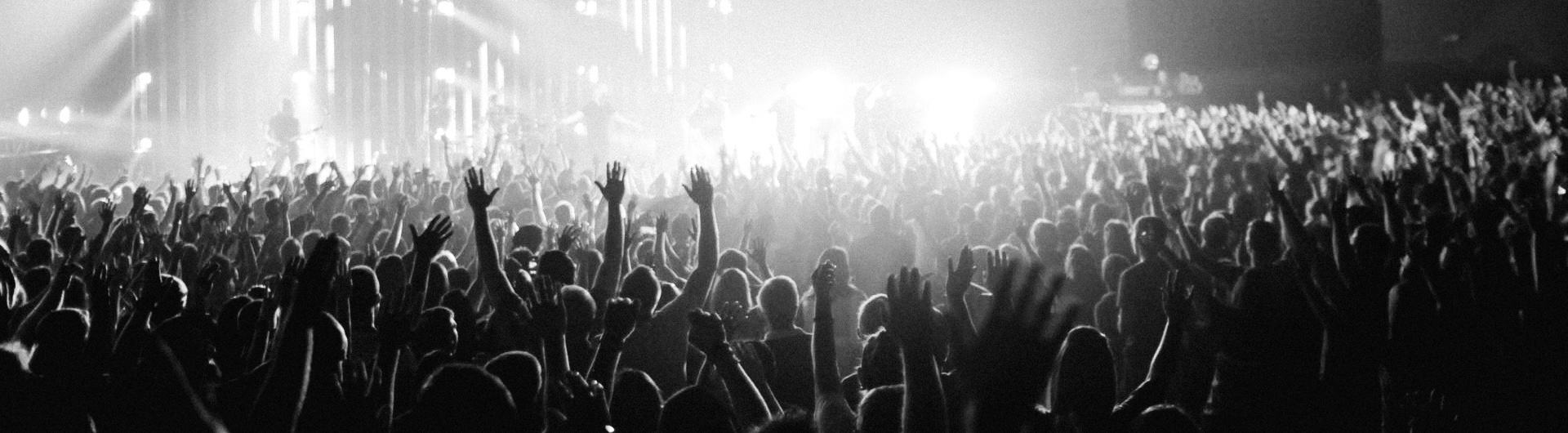
One of the most searched but least explained DJ skills is crowd reading. No genre survives poor crowd awareness. Watch body language, not just hands in the air. Notice when people stop dancing or turn toward the bar.
Great DJs adjust without panic. If a Hip-Hop crowd loses energy, switch eras or tempo. If a House floor dips, introduce a vocal or familiar groove. If EDM energy peaks too early, reset with a breakdown. If Techno becomes too intense, strip things back.
Crowd reading is what separates bedroom DJs from working professionals.
Building a Multi-Genre DJ Identity
Being able to DJ Hip-Hop, House, EDM and Techno makes you adaptable and bookable. In the UK especially, versatility opens doors to clubs, festivals, radio and private events.
However, never try to play all genres at once without purpose. Learn when to specialise and when to blend. Open-format DJing is a skill in itself and requires understanding how genres connect musically and culturally.
Practice mixing between genres at home. Experiment with BPM bridges, genre edits and creative transitions. The more fluent you become, the more confident you’ll feel live.
Final Thoughts from 25 Years Behind the Decks
DJing is a craft, not a shortcut. Learning how to DJ Hip-Hop, House, EDM and Techno takes time, patience and love for music. Technology changes, trends evolve, but fundamentals never disappear.
If you respect the music, understand the crowd and keep learning, you’ll always stay relevant. I’ve seen formats come and go, but DJs who master skills and mindset last decades, not seasons.
Stay curious, stay humble, and remember that every great DJ once stood exactly where you are now, wondering if they were doing it right. Keep going.