

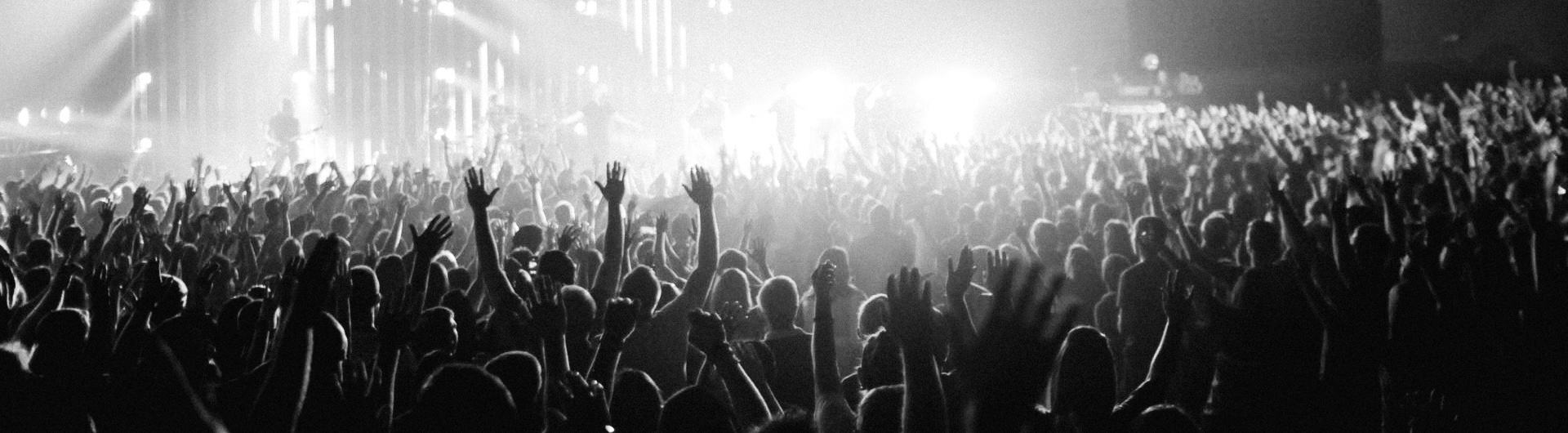
I’ve been DJing for over 25 years across the UK, from intimate club basements to packed festival tents, and if there’s one skill that separates an average DJ from a memorable one, it’s the ability to build energy in a DJ set. Not chase it, not force it, but carefully construct it so the crowd feels like they’re part of a journey rather than being dragged through a playlist.
Building energy in a DJ set is not about playing the biggest track you own in the first ten minutes. It’s about understanding people, understanding music, and understanding timing. Energy is emotional. It rises and falls, and your job as a DJ is to guide that rise with confidence, patience, and intent.
This is a deep dive into how to build energy in a DJ set properly, written from real-world experience, not theory. Everything here is designed to help you improve crowd response, hold attention longer, and create sets that people remember long after the lights come up.
Understanding What Energy Really Means in a DJ Set
Before you can build energy in a DJ set, you need to understand what energy actually is. Energy is not BPM alone. It’s not volume, distortion, or drops every 90 seconds. Energy is the relationship between rhythm, harmony, tension, release, and crowd expectation.
A DJ set with great energy feels alive. People move without being told to. Heads nod before feet follow. Smiles appear before hands go in the air. That’s real energy, and it starts with musical storytelling.
Energy also changes depending on the room. A warm-up DJ builds energy differently from a peak-time DJ. A bar crowd responds differently to a warehouse rave. Learning how to read the room is essential if you want to build energy in a DJ set that actually connects.
Why Track Selection Is the Foundation of Energy
If your track selection is weak, no amount of technical mixing will save your set. Energy is built through contrast and progression, and that starts with choosing the right records at the right time.
Early in a set, lower-energy tracks create space. These tracks establish groove, mood, and trust. Trust is crucial. When people trust your music choices, they follow you when you start increasing intensity.
As the set progresses, you introduce tracks with slightly stronger basslines, more rhythmic complexity, or richer arrangements. You are layering energy, not dumping it. This gradual progression keeps dancers engaged without exhausting them.
A common mistake new DJs make is selecting tracks that all sit at the same intensity level. The result is a flat set. To build energy in a DJ set, you need peaks and valleys. The valleys make the peaks hit harder.
The Role of BPM in Energy Control
BPM matters, but it’s not the whole story. You can raise BPM slowly over time to increase physical movement, but energy also comes from rhythm patterns, swing, and groove.
In many genres, you can hold the same BPM for long periods while still building energy through track selection alone. Introducing tracks with more percussion, sharper transients, or more dynamic basslines can lift the room without changing tempo.
When you do increase BPM, subtlety is key. Gradual tempo changes over multiple transitions feel natural. Sudden jumps often feel rushed and can break the flow of a DJ set.
Energy should feel inevitable, not forced.
How DJ Transitions Shape Energy Flow
Transitions are where energy is either amplified or lost. Smooth transitions maintain momentum. Intentional transitions create anticipation.
Long blends are perfect for building sustained energy. They allow grooves to overlap and create hypnotic movement on the dancefloor. Shorter, sharper mixes can be powerful when used sparingly, especially as you approach a peak moment.
EQ control plays a huge role here. Bringing in bass too early can muddy the mix and flatten impact. Holding back the low end and releasing it at the right moment builds tension and delivers energy exactly when the crowd is ready for it.
Silence, even half a second of it, can be incredibly powerful. Used correctly, it resets attention and makes the next drop feel explosive.
Reading the Crowd Is Non-Negotiable
You cannot build energy in a DJ set if you’re not watching the crowd. This isn’t about ego. It’s about awareness.
Watch body language. Are people leaning forward or drifting toward the bar? Are heads nodding or phones coming out? These signals tell you whether your energy curve is working.
Sometimes the crowd wants more intensity. Sometimes they need space. Experienced DJs adjust in real time, not according to pre-planned playlists.
The best DJ sets are conversations, not speeches.
Using Musical Tension to Create Emotional Energy
Tension is one of the most powerful tools in DJing. Energy grows when people anticipate what’s coming next.
Tracks with long builds, filtered breakdowns, or delayed drops naturally create tension. Layering these with outgoing tracks that maintain rhythm keeps dancers moving while their anticipation builds.
Harmony matters too. Moving between compatible keys keeps energy flowing smoothly. Sudden key clashes can drain energy instantly, even if the beat stays strong.
When tension is released properly, the emotional payoff is huge. This is where hands go up, shouts break out, and the room feels united.
The Importance of Patience in Energy Building
Patience is a skill many DJs struggle with. In a world of instant gratification, it’s tempting to rush.
But the strongest energy moments come from restraint. Holding back your biggest tracks until the right moment shows confidence. It tells the crowd you know where you’re taking them.
A patient DJ controls the room without saying a word.
How Confidence Affects Energy in a DJ Set
Crowds feel confidence. If you look unsure, they feel it. If you trust your choices, they trust you.
Confidence comes from preparation and experience. Knowing your music inside out allows you to respond creatively in the moment. This freedom lets you build energy organically rather than mechanically.
Mistakes happen. How you recover matters more than the mistake itself. A confident recovery often strengthens the connection with the crowd rather than weakening it.
Creating Peaks Without Burning Out the Dancefloor
Peak moments should feel earned. If everything is peak, nothing is.
After a high-energy moment, give the crowd a chance to breathe without killing the vibe. Groove-based tracks with less intensity allow recovery while maintaining movement.
This ebb and flow keeps people dancing longer and makes the next peak feel even stronger.
Endurance is part of energy management.
How Experience Shapes Better Energy Decisions
After 25 years behind the decks, I can tell you that experience teaches you when not to push. Younger DJs often overplay energy. Experienced DJs know when to step back.
Experience also teaches humility. Some nights the crowd surprises you. Being open to that keeps your sets alive and relevant.
Energy building is never finished learning. Every room, every crowd, every night teaches you something new.
Using Your Own Style to Build Authentic Energy
Copying other DJs will only get you so far. Authentic energy comes from playing music you believe in.
When you connect emotionally with your tracks, the crowd feels it. That connection is contagious.
Your style, your taste, and your musical identity are your strongest tools for building energy that feels real rather than manufactured.
Why Simplicity Often Wins
You don’t need constant effects, tricks, or gimmicks to build energy in a DJ set. Often, simplicity hits harder.
A well-timed mix, a strong groove, and a confident presence can move a room more effectively than overcomplicated techniques.
Let the music do the heavy lifting.
Final Thoughts on Building Energy in a DJ Set
Building energy in a DJ set is about respect. Respect for the music, respect for the crowd, and respect for the journey.
It’s about listening as much as playing. Feeling as much as thinking. Guiding rather than forcing.
If you focus on progression, patience, and connection, your sets will naturally rise in energy and impact. People won’t just dance; they’ll remember how your set made them feel.
That’s the mark of a real DJ.
Keep learning, keep listening, and trust the process. The energy will follow.