

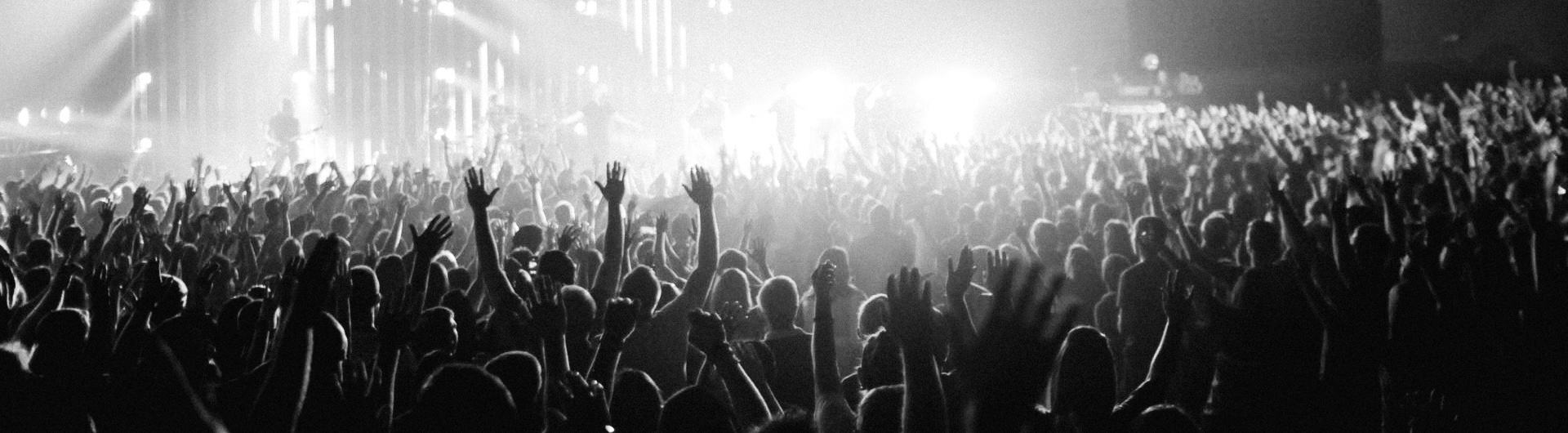
If you’ve ever stood in a dark club, felt that rolling bass hit your chest and thought “I want to be the one controlling this energy,” then becoming a techno DJ might already be in your blood. I’m Jerry Frempong, a UK-based DJ with over 25 years behind the decks, and I can tell you this straight: techno DJing is one of the most rewarding creative journeys you can take. It’s not just about playing tracks. It’s about storytelling, control, patience, discipline and passion.
The good news is that learning how to become a techno DJ has never been more accessible. With modern DJ technology, online resources and structured DJ courses, you can go from bedroom beginner to confident performer far quicker than you might think. The key is learning the right foundations, understanding the culture of techno music, and developing your skills properly from day one.
Techno DJing is built on groove, timing and subtle progression. Unlike commercial genres that rely on quick drops and obvious hooks, techno demands precision and restraint. This is why so many new DJs fall in love with it. You are not just pressing play. You are sculpting a journey.
Understanding Techno DJ Culture and Sound
Before touching any DJ equipment, it’s vital to understand what techno really is. Techno music is repetitive by design, but never boring. It’s hypnotic, layered and constantly evolving. A great techno DJ understands tension and release, how to hold a crowd without rushing, and how to let tracks breathe.
Classic and modern techno share common traits: strong kick drums, rolling basslines, minimal vocals and evolving textures. Whether you are drawn to Detroit techno, Berlin warehouse sounds or modern peak-time techno, the core principles remain the same. As a techno DJ, your job is to respect the music while guiding the energy of the room.
This is why aspiring DJs should spend time actively listening to techno DJ mixes, live sets and radio shows. Pay attention to phrasing, track selection and how DJs blend tracks seamlessly for long periods. This listening skill will later become one of your strongest DJ weapons.
Choosing the Right DJ Equipment to Start
One of the most common questions I get asked is how to become a techno DJ without wasting money on the wrong gear. The truth is that you don’t need the most expensive setup to start, but you do need the right tools.
A DJ controller is usually the best entry point. It allows you to learn beatmatching, EQ control, mixing techniques and basic effects in a compact setup. Controllers are affordable, portable and perfect for beginners learning techno mixing at home.
CDJs are the club standard and are essential for DJs who want to play in clubs and festivals. Learning on CDJs teaches you discipline and prepares you for real-world DJ booths. Vinyl turntables, on the other hand, offer the deepest understanding of timing, beatmatching and feel. Learning vinyl will sharpen your ears and hands like nothing else.
As someone who has played on controllers, CDJs and vinyl across clubs, festivals, radio stations and private events worldwide, I can confidently say that each format builds a different skillset. The strongest techno DJs understand all three.
Learning Beatmatching and Mixing Techno Properly
Beatmatching is the foundation of DJing. For techno DJs, it is absolutely non-negotiable. Techno tracks are long, subtle and unforgiving. If your beatmatching is sloppy, it will be heard.
Learning to beatmatch by ear, not by looking at screens, is one of the best investments you can make. This skill gives you freedom and confidence in any DJ booth. Techno mixing is about long blends, gentle EQ changes and patience. You are not constantly cutting tracks in and out. You are layering rhythms and textures.
Phrasing is equally important. Techno tracks are structured in predictable blocks, usually 16 or 32 bars. Understanding phrasing allows your mixes to sound musical and intentional. When you mix at the right moment, the crowd may not consciously notice, but they will feel it.
Building a Techno DJ Music Collection
Your music library is your identity. Becoming a techno DJ means digging for tracks, not just downloading what’s popular. Quality always beats quantity. Spend time exploring labels, artists and underground releases.
Buy your music from reputable platforms, support artists and organise your library properly. Tag your tracks by tempo, energy level and mood. This preparation allows you to adapt your set to any crowd or environment.
To help you get started, here are ten iconic techno tracks from the foundational era that are perfect for practising DJ mixing and understanding techno structure:
Strings of Life by Derrick May
No UFO’s by Model 500
Clear by Cybotron
The Bells by Jeff Mills
Energy Flash by Joey Beltram
Plastic Dreams by Jaydee
Knights of the Jaguar by Underground Resistance
Spastik by Plastikman
Good Life by Inner City
We Are Phuture by Phuture
Practising with these tracks will help you understand groove, minimal transitions and long blends, all essential techno DJ skills.
Why Structured DJ Training Accelerates Your Progress
Many beginners try to learn DJing alone, and while that can work, it often leads to bad habits, frustration and slow progress. Learning with an experienced DJ shortens your learning curve dramatically.
A proper beginner DJ course teaches you correct technique from the start. It explains why you do things, not just how. With guidance from a DJ who has over 25 years of real-world experience playing clubs, festivals, radio shows and private events across the globe, you gain insights you simply won’t find on YouTube.
An experienced DJ understands crowd psychology, sound systems, club etiquette and musical flow. These are things you only truly learn through years of performance, and passing that knowledge on is priceless.
Beginner DJ Course Overview
A strong beginner DJ course starts with understanding DJ equipment and signal flow, then moves into beatmatching, mixing and EQ control on a DJ controller. You learn tempo control, phrasing, transitions and how to build a basic techno set with confidence.
The next stage introduces CDJs, preparing you for professional DJ booths. You learn how to mix without visual aids, manage USBs properly, analyse tracks and perform comfortably in club environments.
Vinyl training follows, developing timing, touch and musical intuition. Even if you never plan to play vinyl professionally, learning it will elevate every other aspect of your DJing.
The course then expands into set building, music selection, DJ etiquette, recording mixes, promoting yourself and understanding how the music industry works. You also gain insight into production basics, radio performance and how DJs transition from bedroom practice to paid gigs.
The Benefits of Learning from a World-Experienced DJ
Learning from someone who has released music, played internationally, performed on radio and worked across clubs, festivals and private events gives you a complete picture of the DJ lifestyle. You are not just learning to mix tracks. You are learning how to build a sustainable DJ career.
This kind of mentorship builds confidence, avoids costly mistakes and opens your mind to possibilities you may not have considered. It’s about learning smarter, not harder, and enjoying the process while developing real, usable skills.
Your Techno DJ Journey Starts Now
If you’ve read this far, chances are you’re serious about becoming a techno DJ. That spark you feel doesn’t fade; it grows when you feed it with the right knowledge and guidance. Techno DJing rewards patience, passion and consistency, and with the right support, there is no reason you can’t achieve your goals.
Whether you dream of playing underground clubs, festivals, radio shows or simply mastering the art for yourself, the first step is committing to proper learning. Investing in yourself as a DJ is one of the most powerful decisions you can make.
If you’re ready to take that step, make an enquiry using the form below and get started on your techno DJ journey today.