

How to Become a Private Events DJ
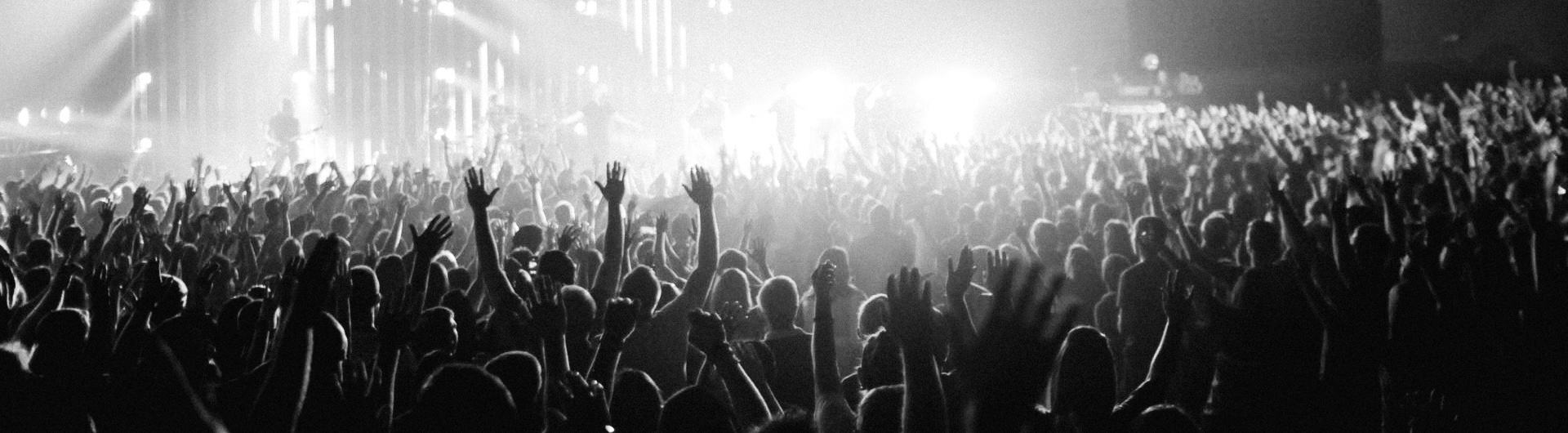
If you’re reading this, chances are you already feel that pull. The buzz of music, the energy of a dancefloor, and that moment when a room full of strangers suddenly moves as one. Becoming a private events DJ isn’t just about playing tracks. It’s about reading people, creating memories, and building a career that’s both creatively fulfilling and financially rewarding. I’ve been doing this for over 25 years across the UK and internationally, from clubs and festivals to radio, weddings, and high-end private parties, and I can tell you this with confidence: there has never been a better time to become a professional private events DJ.
Private events DJing sits at the sweet spot of the DJ industry. Weddings, corporate events, birthdays, brand launches, and luxury celebrations happen all year round. Clients value professionalism, experience, and reliability, and they’re happy to pay for it. If you want longevity, consistent bookings, and the chance to build a respected name, learning how to become a private events DJ is a smart move.
To succeed as a private events DJ, you need more than a love for music. You need technical DJ skills, music knowledge across decades and genres, confidence with people, and a clear understanding of how events actually run. This is where many beginner DJs struggle, and it’s also where the right guidance can save you years of trial and error.
When people search for how to become a private events DJ, they often assume it’s all about gear. Yes, learning DJ equipment matters, but mindset, preparation, and structure matter just as much. Private events are not club nights. You are often the musical director of someone’s most important day. That responsibility is huge, but it’s also incredibly rewarding.
A strong foundation in DJing starts with understanding music selection and crowd psychology. At private events, your crowd can range from teenagers to grandparents, sometimes all in the same room. You must know how to move seamlessly between eras, styles, and tempos while keeping the energy flowing. This is where proper DJ training makes a massive difference.
Learning how to DJ properly on a controller is often the first step. Controllers are accessible, versatile, and widely used in modern private events DJ setups. You’ll learn beatmatching, phrasing, transitions, cue points, looping, and how to organise your music library so you’re never scrambling under pressure. A beginner DJ course should also teach you how to prepare playlists for weddings and corporate events while still leaving room for live creativity.
Once you understand controller DJing, progressing to CDJs opens up a professional club-standard workflow. CDJs are common at higher-end events, venues, and festivals, and being confident on them instantly raises your value as a DJ. You learn to rely on your ears, not your eyes, refine manual beatmatching, and develop a deeper connection with the music. These skills translate directly into better performances at private events.
Vinyl DJing, while not essential for every booking, is one of the best ways to truly understand DJ culture and timing. Learning vinyl builds discipline, sharpens your listening skills, and gives you a deeper respect for the craft. Even if you mainly play digital, vinyl training elevates your confidence and musical control, which clients feel when you perform.
Music knowledge is another pillar of becoming a successful private events DJ. You must understand what works and why. Practising with proven party classics is essential. Ten songs I always recommend practising your transitions and crowd control with are Michael Jackson “Billie Jean”, Whitney Houston “I Wanna Dance with Somebody”, Earth Wind and Fire “September”, Stevie Wonder “Superstition”, Madonna “Like a Prayer”, Chic “Good Times”, Prince “1999”, Luther Vandross “Never Too Much”, Lionel Richie “All Night Long”, and Kool and The Gang “Celebration”. These tracks teach timing, energy management, and how to move a mixed-age crowd together.
Beyond music, professionalism separates hobby DJs from booked-out private events DJs. Clients expect punctuality, clear communication, backup equipment, and a calm presence. You’re often working alongside planners, venues, photographers, and caterers. Knowing how to fit into that ecosystem is vital. A proper DJ course teaches you how to handle enquiries, pricing, contracts, and client meetings with confidence.
Learning with an experienced DJ who has been in the game for over 25 years gives you something YouTube never will: context. I’ve played in clubs, on radio, at festivals, and at thousands of private parties around the world. That experience means you learn what really happens when things go wrong, how to recover when a dancefloor dips, and how to adapt instantly to any room, sound system, or crowd.
An effective beginner DJ course should guide you step by step through controller DJing, CDJs, and vinyl in a structured way. You should learn equipment setup, sound checks, gain staging, and microphone control for speeches and announcements. You should understand how to plan a wedding DJ timeline, how to manage special requests, and how to handle last-minute changes without stress. These are real-world DJ skills that directly affect your bookings and reputation.
There’s also a mindset shift when you decide to become a private events DJ professionally. You stop thinking like someone who just plays music and start thinking like someone who delivers experiences. Every event is a performance, a service, and a reflection of your brand. When you approach DJing this way, your confidence grows, your fees grow, and your calendar fills up.
If you’ve ever imagined turning your love for music into a serious income, private events DJing can absolutely do that. I’ve seen beginners go from zero experience to fully booked calendars with the right training, support, and belief in themselves. The key is learning properly from someone who’s already walked the path you’re on.
This is not about shortcuts. It’s about building solid foundations so you can enjoy DJing for decades, not just a few months. With expert guidance, hands-on practice, and real-world insight, you can avoid common mistakes and fast-track your progress.
If you’re ready to take the first step, now is the time. Learning how to become a private events DJ is an investment in your skills, your confidence, and your future. With the right course and mentorship, you’ll gain the knowledge, experience, and mindset needed to stand out in a competitive industry and get booked for the events that matter.
Make an enquiry using the form below to get started on your journey and begin building a professional DJ career you can be proud of.