

How to Become a Party DJ
Becoming a party DJ is one of the most exciting, rewarding and confidence-boosting creative paths you can take. If you love music, enjoy entertaining people and want to turn good vibes into unforgettable nights, learning how to DJ parties can open doors to clubs, festivals, private events and long-term DJ success. I’m Jerry Frempong, a UK based DJ with over 25 years of real-world experience, and I can tell you first-hand that anyone with passion, guidance and the right training can become a great party DJ.
A party DJ is more than someone who presses play. You are the energy controller, the mood reader and the person responsible for turning a room full of strangers into one big celebration. To do that well, you need strong DJ skills, a deep understanding of music, confidence on the decks and the ability to read a crowd. The good news is that all of this can be learned with the right approach and mentoring.
What a Party DJ Really Does
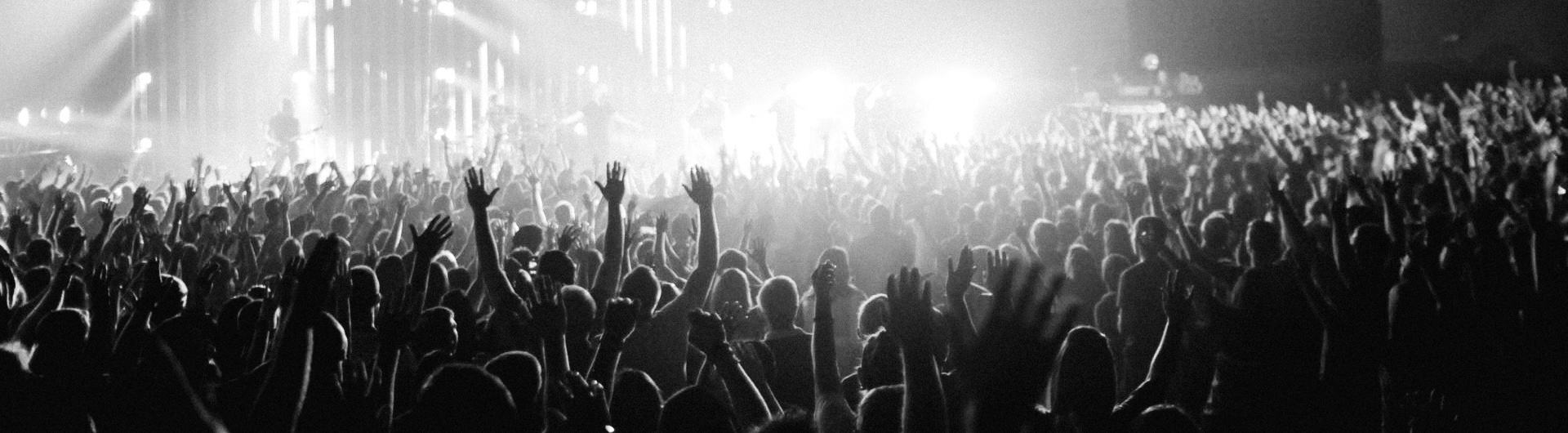
A party DJ plays music for birthdays, weddings, clubs, corporate events, festivals and private celebrations. Unlike specialist DJs who play one narrow style, a successful party DJ needs to be versatile. You must understand different genres, decades and crowd types, while keeping energy levels high from the first song to the last. This is why learning how to become a party DJ starts with understanding people as much as understanding music.
Crowd reading is one of the most valuable DJ skills. You learn when to build energy, when to hold it steady and when to drop a classic that brings everyone to the dancefloor. This skill comes from experience, guidance and proper DJ training rather than guessing your way through gigs.
Why Learning Proper DJ Skills Matters
Many beginners try to teach themselves by watching random videos online. While that can help a little, it often leads to bad habits that hold DJs back. Proper DJ education gives you structure, confidence and clarity. You learn beatmatching, mixing, phrasing, transitions and music selection the right way from the start.
Learning DJ skills on controllers, CDJs and vinyl prepares you for any environment. Clubs, festivals and professional venues expect DJs to adapt quickly. If you only know one setup, you limit your opportunities. A well-rounded party DJ understands all DJ equipment and can perform anywhere without fear.
Understanding DJ Equipment for Beginners
Most people begin with a DJ controller because it is affordable, portable and perfect for learning. DJ controllers teach you the fundamentals of mixing, cueing, looping and effects while connecting easily to DJ software. Once you understand the basics, moving onto CDJs becomes natural. CDJs are the industry standard in clubs and festivals, and learning them gives you professional credibility and confidence.
Vinyl DJing is where true technical skill and musical respect are built. Learning vinyl teaches timing, precision and deep listening. Even if you mainly play digital, vinyl knowledge makes you a stronger DJ overall. A complete DJ course should introduce all three formats so you are never limited by equipment.
The Importance of Music Knowledge
Music selection is everything for a party DJ. Knowing what to play, when to play it and how to mix between styles separates average DJs from unforgettable ones. A strong DJ understands classic anthems, current chart hits and timeless party records that work across generations.
When practising, it’s important to train your ear using proven crowd-pleasing tracks. Ten popular party classics that are perfect for DJ practice include Usher – Yeah, Black Eyed Peas – I Gotta Feeling, Rihanna – Don’t Stop the Music, Outkast – Hey Ya, Beyoncé – Crazy In Love, Justin Timberlake – SexyBack, Daft Punk – One More Time, 50 Cent – In Da Club, Mark Ronson ft Bruno Mars – Uptown Funk, and Kanye West – Gold Digger. Learning to mix tracks like these teaches energy control, tempo management and crowd response.
How to Build Confidence Behind the Decks
Confidence is built through preparation and experience. Practising regularly, recording your mixes and receiving feedback from an experienced DJ accelerates progress massively. When you know your music and trust your skills, nerves disappear and enjoyment takes over.
Playing in front of people is different from practising at home. This is why guided DJ training is so valuable. Learning from someone who has played in clubs, festivals, on radio and at private events gives you real insight that no tutorial can replace. You gain practical advice on handling mistakes, adapting to crowds and performing under pressure.
Why Learning from an Experienced DJ Changes Everything
Learning with a DJ who has over 25 years of experience means you are learning shortcuts, not just theory. I’ve played all over the world, released music, played on radio, rocked clubs, festivals and private parties, and that experience becomes your advantage. You don’t just learn how to mix, you learn how to survive, thrive and grow in the DJ industry.
An experienced DJ mentor helps you avoid common mistakes, understand the business side of DJing and develop your unique style. You gain knowledge that normally takes decades in a fraction of the time. This is why structured DJ courses with real-world professionals are essential for serious beginners.
Beginner DJ Course Overview
A strong beginner DJ course starts with understanding music structure, tempo and rhythm. You learn beatmatching by ear, mixing smoothly and setting cue points correctly. On controllers, you master software navigation, hot cues, loops and effects while maintaining musical flow.
On CDJs, you learn USB preparation, waveform reading, manual beatmatching and club-standard setups. Vinyl training focuses on timing, pitch control and listening skills that sharpen your overall DJ ability. Throughout the course, you build confidence, musical awareness and performance readiness.
Turning DJ Skills into Paid Gigs
Once you have solid DJ skills, the next step is playing out. Party DJs are always in demand, and there is consistent work for those who are reliable, professional and confident. Learning how to promote yourself, communicate with clients and deliver memorable performances turns DJing from a hobby into a serious income stream.
A professional DJ course prepares you for real gigs by teaching set planning, equipment setup, sound checks and crowd engagement. When you walk into your first paid event fully prepared, it changes everything. You stop feeling like a beginner and start performing like a professional.
Encouragement to Start Your DJ Journey
Becoming a party DJ is not about talent alone. It’s about commitment, learning and surrounding yourself with the right guidance. I’ve seen complete beginners transform into confident, skilled DJs with the right training and mindset. If you love music and want to create unforgettable moments, this path is absolutely achievable.
DJing has given me a lifetime of memories, travel, creativity and connection. There is nothing like controlling the energy of a room and seeing people react to music you choose. With proper DJ education, consistent practice and expert mentoring, you can experience that too.
Now is the time to stop thinking about it and start doing it. Make an enquiry using the form below to get started on your journey to becoming a confident, professional party DJ.