

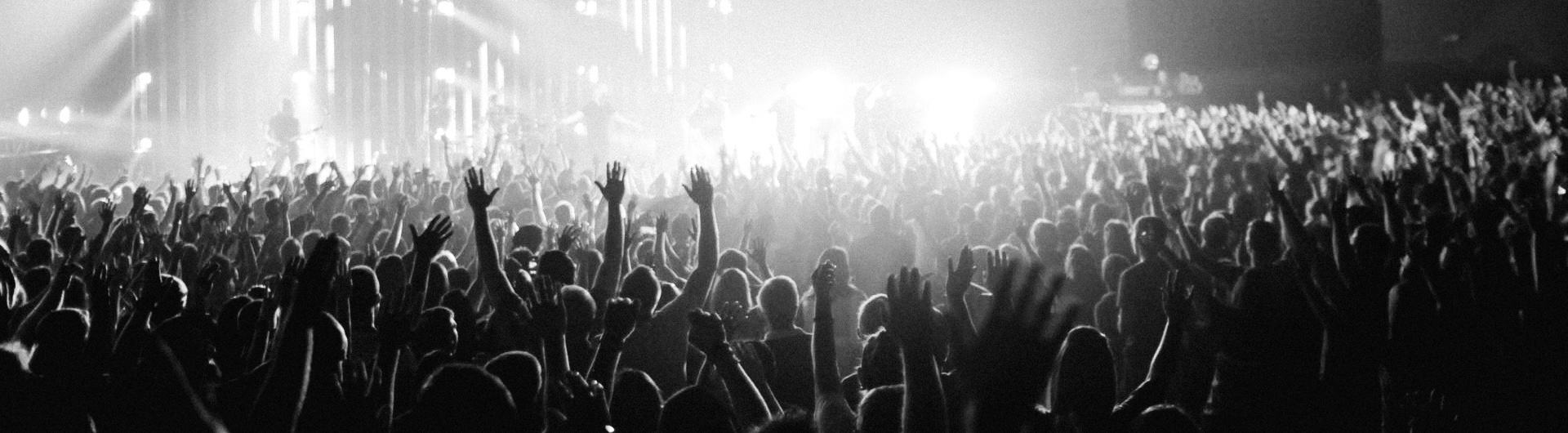
If you’ve ever felt that deep, rolling bass in your chest, the razor-sharp drum programming, the dark sci-fi atmospheres and precision sound design, then you already understand why Neurofunk drum and bass is more than music. It’s a discipline. Becoming a Neurofunk DJ isn’t about pressing sync and hoping for the best. It’s about control, taste, confidence, and a serious understanding of rhythm, energy and crowd psychology. I’m Jerry Frempong, a UK-based DJ with over 25 years behind the decks, and I can tell you straight: if you’re willing to learn properly, this path can change your life.
Neurofunk DJing sits at the technical end of drum and bass. Tight mixing, fast decision-making and a strong musical identity matter. Promoters, clubs, festivals and radio stations all expect precision. That’s good news, because once you master it, you stand out fast.
Understanding the Neurofunk Sound and DJ Mindset
Before touching any equipment, you need to understand the culture and sound. Neurofunk emerged from the darker side of drum and bass in the late 1990s and early 2000s, pushing complex basslines, robotic textures and minimal funk grooves. As a Neurofunk DJ, your job is to guide energy, not overload it. Track selection matters more than tricks. Every blend must feel intentional.
Learning how to become a Neurofunk DJ starts with training your ears. You need to hear phrasing, bass movement, drum swing and breakdown timing instinctively. This comes from listening deeply and practising with purpose. Neurofunk rewards DJs who respect structure and tension. When you drop a tune, it has to mean something.
Essential DJ Equipment for Neurofunk DJs
Modern Neurofunk DJs need to be flexible. Clubs and festivals vary, so learning on DJ controllers, CDJs and vinyl is crucial. A DJ controller is ideal for beginners because it offers affordability and visual feedback. CDJs remain the industry standard for professional DJ booths, while vinyl teaches timing, discipline and true beatmatching.
Each setup sharpens different skills. Controllers help you understand waveform structure and cue points. CDJs force you to rely on your ears. Vinyl builds patience and touch. When you learn all three, you become adaptable and confident anywhere in the world.
How to Learn Neurofunk DJ Mixing Techniques
Neurofunk mixing is tight, clean and unforgiving. Long blends, double drops and bass swaps require accuracy. Sloppy transitions kill energy instantly. To rank as a serious Neurofunk DJ, you must master beatmatching, phrasing, EQ control and gain staging.
Practise mixing intros over outros, cutting basslines at the right moment and using filters with restraint. Neurofunk crowds respect DJs who let tracks breathe. Effects are tools, not crutches. When your timing is right, the room moves as one.
Track Selection and Building Neurofunk DJ Sets
Track selection separates average DJs from professionals. A Neurofunk DJ set should tell a story. Opening tracks create tension, mid-set tracks raise intensity, and peak-time selections deliver impact. You must read the room while staying true to your sound.
Digging for music is part of your identity. Follow labels, producers and underground releases. Don’t rely on charts alone. When promoters hear your set, they should know it’s you within minutes.
Classic Neurofunk Tracks to Practise With
Training your skills on foundational Neurofunk tracks helps you understand structure, groove and energy. Practise mixing with classics from the era that shaped the sound:
Messiah by Konflict
Bacteria by Ed Rush & Optical
No Reality by Phace
Alien Girl by Ed Rush, Optical & Fierce
Watermelon by Ed Rush & Optical
Hardcore Junglism by Future Forces
The Creeps by Ram Trilogy
Shadow Boxing by Nasty Habits
Virus by Bad Company UK
Planet Dust by Bad Company UK
These tracks teach phrasing, tension and bass control. Master these and modern Neurofunk becomes easier to handle.
Why Learning from an Experienced DJ Matters
You can learn basics online, but growth accelerates when guided properly. Learning with an experienced DJ of over 25 years gives you perspective no tutorial can replace. I’ve played clubs, festivals, radio shows and private events across the world, released music and lived through every format change in DJ culture. That knowledge saves you years of mistakes.
A professional DJ course helps you avoid bad habits early. You learn booth etiquette, sound system awareness, music preparation and how to perform under pressure. You also gain honest feedback, something algorithms can’t provide.
Outline of a Beginner Neurofunk DJ Course
A solid beginner DJ course starts with understanding tempo, rhythm and beatmatching fundamentals. You then move into controller skills, cue points, loops and transitions. CDJ training focuses on professional workflows, USB preparation and club-standard performance. Vinyl sessions sharpen timing, pitch control and musical discipline.
Beyond mixing, the course covers set structure, track selection, branding and confidence. You learn how to prepare for gigs, approach promoters and deliver reliable performances. This is how DJs move from bedroom to booth.
Encouragement to Start Your DJ Journey
If you feel that pull toward Neurofunk DJing, trust it. This genre rewards commitment, patience and passion. The right guidance accelerates your progress and opens doors faster than going it alone. Investing in yourself is the difference between dreaming and performing.
You don’t need permission to start. You need direction, discipline and belief. With proper DJ training, focused practice and mentorship from someone who has lived it, you can build real skills, real confidence and a real future in drum and bass.
Make an Enquiry and Get Started
If you’re serious about learning how to become a Neurofunk DJ and want to train with Jerry Frempong, now is the time. Make an enquiry using the form below and take your first step toward mastering Neurofunk DJing with professional guidance, proven techniques and real-world experience.