

If you’re reading this, chances are Liquid Drum and Bass already runs through your veins. That smooth blend of rolling basslines, soulful vocals, warm pads and crisp breakbeats isn’t just music, it’s a feeling. I’m Jerry Frempong, a UK-based DJ with over 25 years behind the decks, and I can tell you this with complete honesty: learning how to become a Liquid Drum and Bass DJ is one of the most rewarding journeys you can take in electronic music. With the right guidance, mindset and practice, this sound can open doors to clubs, festivals, radio, releases and lifelong connections across the global Drum and Bass scene.
Liquid Drum and Bass, often referred to as Liquid DnB or Liquid Funk, demands more than just technical mixing. It’s about musical taste, patience, emotional control and understanding energy on a deeper level. This style rewards DJs who respect phrasing, harmony and storytelling. If your goal is to stand out as a Liquid Drum and Bass DJ rather than just beatmatch tunes, you’re in exactly the right place.
Understanding the Sound and Culture of Liquid Drum and Bass
To truly master Liquid Drum and Bass DJing, you must understand where the sound comes from and why it moves people. Liquid DnB grew from the deeper, jazz-infused and soulful side of Drum and Bass, focusing on atmosphere and groove rather than aggression. As a DJ, your role is not to dominate the room but to guide it, allowing tracks to breathe while maintaining momentum. This is why Liquid Drum and Bass DJs are often trusted with opening sets, sunset sessions and long late-night journeys.
High-ranking DJs in this genre understand key mixing, smooth transitions, subtle EQ control and long blends. Liquid Drum and Bass mixing is less about tricks and more about finesse. When you get it right, the crowd doesn’t just dance, they feel every moment.
Essential DJ Skills for Liquid Drum and Bass Success
Learning how to DJ Liquid Drum and Bass starts with strong foundations. Beatmatching is essential, whether you are using a DJ controller, CDJs or vinyl. Liquid Drum and Bass often sits around 170 to 175 BPM, which means precision matters. Even slight timing errors can break the hypnotic flow that defines this genre.
Phrase mixing is one of the most important DJ skills you will develop. Liquid tracks are often long, melodic and layered. Mixing at the wrong point can clash vocals, chords or breakdowns. When taught properly, you learn how to count bars instinctively and mix with confidence rather than guesswork. This is one of the biggest differences between self-taught DJs and those trained by an experienced professional.
Another crucial skill is track selection. Liquid Drum and Bass DJing is about choosing the right record at the right time. Not every tune needs to peak. Knowing when to keep things deep and when to lift the energy separates average DJs from memorable ones.
Why Learning with an Experienced DJ Changes Everything
Over the past 25 years, I’ve played in clubs, festivals and private events across the world, released music, featured on radio and supported artists at every level of the industry. That experience isn’t something you can learn from YouTube alone. When you learn with a DJ who has lived the culture, you gain insights that save years of trial and error.
Learning directly from an experienced Drum and Bass DJ means understanding real-world scenarios, reading crowds, preparing sets properly and adapting your style without losing your identity. You also gain access to industry knowledge, from building a DJ brand to preparing for your first club booking or radio show. This is where confidence is built, not just skills.
Practising with Classic Liquid Drum and Bass Tracks
One of the fastest ways to improve as a Liquid Drum and Bass DJ is to practise with timeless tracks that defined the era. These songs are rich in structure, musicality and groove, making them perfect for learning long blends and harmonic mixing. I always recommend spending serious time mastering these records before chasing the latest releases.
Practising with Circles by Adam F teaches patience and phrasing like no other track. High Contrast by High Contrast is perfect for learning uplifting transitions and crowd control. LTJ Bukem from LTJ Bukem shows how atmosphere and groove can carry a room effortlessly.
Goldie by Goldie remains a masterclass in emotional depth. Calibre from Calibre is essential for learning subtle EQ work. London Elektricity by London Elektricity teaches vocal blending and restraint.
Roni Size from Roni Size is perfect for learning groove control, while Nu:Tone by Nu:Tone helps refine musical timing. Etherwood by Etherwood teaches emotional storytelling, and Hybrid Minds from Hybrid Minds is ideal for practising modern Liquid Drum and Bass mixing.
These tracks form a foundation that every serious Liquid Drum and Bass DJ should know inside out.
Learning to DJ on Controllers, CDJs and Vinyl
A complete Liquid Drum and Bass DJ understands multiple formats. DJ controllers are an excellent entry point, offering affordability and flexibility while teaching core skills such as beatmatching, EQ and effects. With proper guidance, controllers can be powerful tools for building confidence quickly.
CDJs remain the club standard, and learning them correctly prepares you for real-world gigs. Understanding USB preparation, rekordbox workflow and mixing without visual crutches is essential. Many DJs struggle when transitioning to CDJs because they never learned proper fundamentals. This is easily avoided with structured training.
Vinyl DJing remains one of the strongest ways to develop timing and musical awareness. Liquid Drum and Bass on vinyl teaches discipline, touch and deep listening. Even if you don’t plan to play vinyl professionally, learning it will dramatically improve your digital mixing skills.
A Beginner’s Journey into Liquid Drum and Bass DJing
A proper beginner DJ course should take you from zero to confident in a clear, supportive way. You should learn equipment setup, music management, beatmatching by ear, phrasing, EQ control and smooth transitions. As you progress, you should explore harmonic mixing, set structure, energy flow and crowd psychology, all within the context of Liquid Drum and Bass.
Advanced stages focus on preparing for live performances, recording mixes, understanding sound systems and developing your personal style. This structured approach ensures steady progress without overwhelm and keeps motivation high.
Why Now Is the Perfect Time to Become a Liquid Drum and Bass DJ
The Liquid Drum and Bass scene is stronger than ever. Audiences crave musical depth, emotional connection and DJs who can take them on a journey. Whether your dream is to play clubs, festivals, radio shows or private events, Liquid Drum and Bass offers longevity and respect within the electronic music world.
Investing in professional DJ training accelerates your growth and gives you confidence that translates instantly behind the decks. Learning with someone who has already walked the path allows you to focus on creativity instead of confusion. You don’t just learn how to mix, you learn how to become a DJ with purpose, direction and belief in your abilities.
Your Next Step Starts Here
If you’re serious about learning how to become a Liquid Drum and Bass DJ and want to be guided by an experienced UK DJ with over 25 years of global performance, releases and industry knowledge, now is the time to take action. Fill in the enquiry form below to get started on your DJ journey and unlock your potential behind the decks.
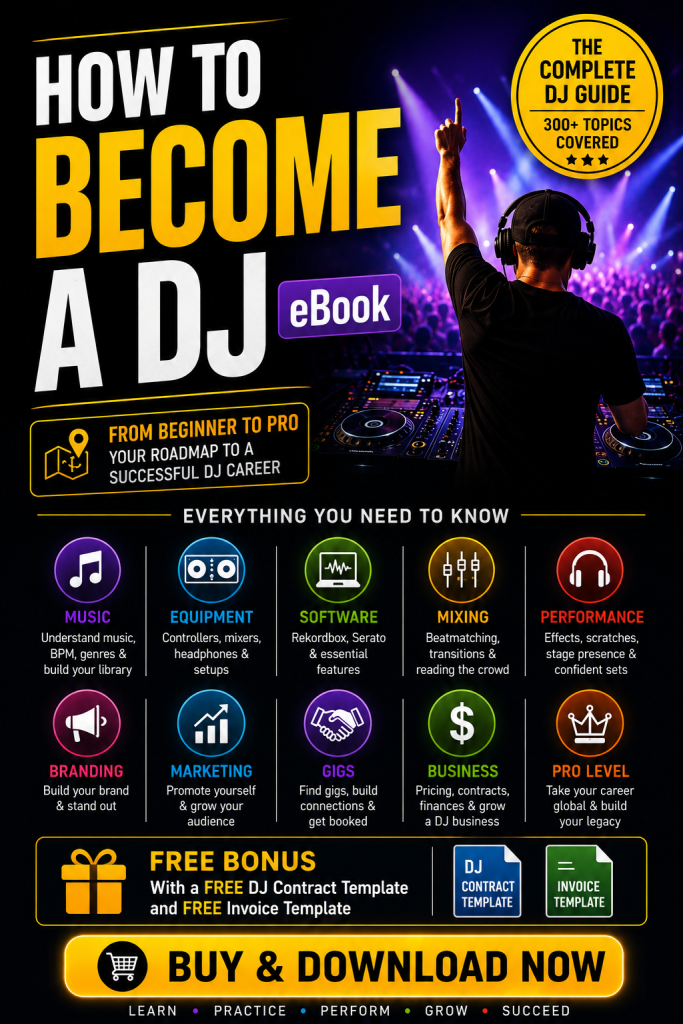
If you have ever dreamed of performing emotional, atmospheric and uplifting Liquid Drum and Bass sets in clubs, festivals, radio shows or online streams, this is the complete DJ ebook you have been searching for.
“How to Become a DJ” is the ultimate step by step guide designed specifically for aspiring DJs who want to break into the exciting world of Liquid Drum and Bass music. Whether you are a complete beginner or already experimenting with DJ software and mixing, this powerful ebook gives you the roadmap to grow your skills, build your brand, secure gigs and create a successful DJ career.
Liquid Drum and Bass continues to grow worldwide, with legendary artists and labels shaping one of the most emotional and energetic electronic music genres ever created. From soulful melodies and rolling basslines to deep atmospheric vibes and euphoric drops, Liquid DnB has become one of the most respected genres in club culture. This ebook teaches you how to become part of that movement.
Inside this professionally written DJ guide, you will discover how to mix Liquid Drum and Bass music, understand beatmatching, structure seamless transitions, build memorable DJ sets and develop the confidence to perform live. You will also learn the business side of DJing, including branding, marketing, social media growth, bookings, contracts and finance management.
If your goal is to become a professional Liquid Drum and Bass DJ, this ebook provides the knowledge, strategies and motivation to help you succeed.
This complete DJ training guide covers every stage of your DJ journey.
Understand the foundations of DJ culture, electronic music history and what it truly means to become a modern DJ in today’s music industry.
Learn BPM, song structure, phrasing, EQ control, energy levels and how to read the flow of Liquid Drum and Bass tracks for smoother mixing.
Discover the best DJ controllers, turntables, headphones, mixers and speakers for beginners and advanced DJs. Learn how to build your ideal setup without wasting money.
Master industry leading software including Rekordbox, Serato DJ, Traktor and Virtual DJ. Learn playlist organisation, cue points, looping and performance tools.
This is where your transformation begins. Learn beatmatching, transitions, blending atmospheric pads, bassline layering and creating professional sounding Liquid Drum and Bass sets.
Develop confidence behind the decks, improve crowd interaction and explore creative DJ techniques that elevate your performances.
Build your unique DJ name, visual image, logo, online identity and signature sound that helps you stand out in the Drum and Bass scene.
Learn how to promote your DJ mixes on YouTube, SoundCloud, TikTok, Instagram and Facebook. Discover proven strategies to grow your audience organically.
Understand how to approach promoters, clubs, radio stations and events to secure bookings and build industry relationships.
Learn how to price your services, manage bookings, handle invoices and run your DJ career professionally.
Get introduced to creating your own Liquid Drum and Bass tracks using popular production software and plugins.
Take your mixing, performance and music selection to a professional level with advanced techniques and crowd reading strategies.
Discover how to protect your hearing, manage stress, improve confidence and maintain balance while pursuing a demanding music career.
Learn how to transition from hobby DJ to professional artist with strategies for long term growth, branding, networking and financial success.
Unlike generic DJ guides, this ebook focuses heavily on helping you succeed in the modern electronic music industry while building your own identity as a Liquid Drum and Bass DJ.
This is not just theory. It is a practical and motivational guide designed to help you take action immediately.
You will learn:
• How to become a Liquid Drum and Bass DJ
• How to DJ Drum and Bass music professionally
• How to mix Liquid DnB smoothly
• Best DJ equipment for beginners
• Best DJ software for Drum and Bass DJs
• How to build DJ playlists
• How to get DJ gigs
• How to market yourself as a DJ
• How to start a DJ business
• How to become a successful electronic music DJ
• How to create a professional DJ brand
• How to make money as a DJ
• How to promote DJ mixes online
• How to grow a fanbase as a Drum and Bass DJ
• How to become a festival DJ
Every chapter is written in an encouraging and easy to understand style, making it suitable for complete beginners while still delivering real value to experienced DJs.
When you purchase this ebook today, you will also receive two exclusive professional bonuses completely FREE.
Protect yourself professionally with a ready to use DJ contract template covering bookings, payments, cancellations, performance terms and event agreements.
Get paid professionally with a custom DJ invoice template designed for freelance DJs, mobile DJs, club DJs and event performers.
These bonus resources can save you time, increase professionalism and help you manage your DJ business properly from day one.
This ebook is ideal for:
• Beginner DJs
• Bedroom DJs
• Liquid Drum and Bass DJs
• Drum and Bass fans
• Electronic music producers
• Club DJs
• Mobile DJs
• Festival DJs
• Aspiring music artists
• Students wanting a music career
• DJs looking to improve their branding and marketing
Whether your dream is to perform at underground events, livestream online, release your own Liquid DnB tracks or play major festivals, this guide gives you the structure and direction to move forward confidently.
Every successful DJ started as a beginner. The difference between those who succeed and those who quit often comes down to having the right knowledge, guidance and consistency.
“How to Become a DJ” gives you the blueprint to accelerate your learning, avoid costly mistakes and build real momentum in your DJ career.
The world of Liquid Drum and Bass is waiting for your sound, your creativity and your energy.
Take the first step today and begin your transformation from beginner to professional DJ.
Download the How to Become a DJ Ebook Here