

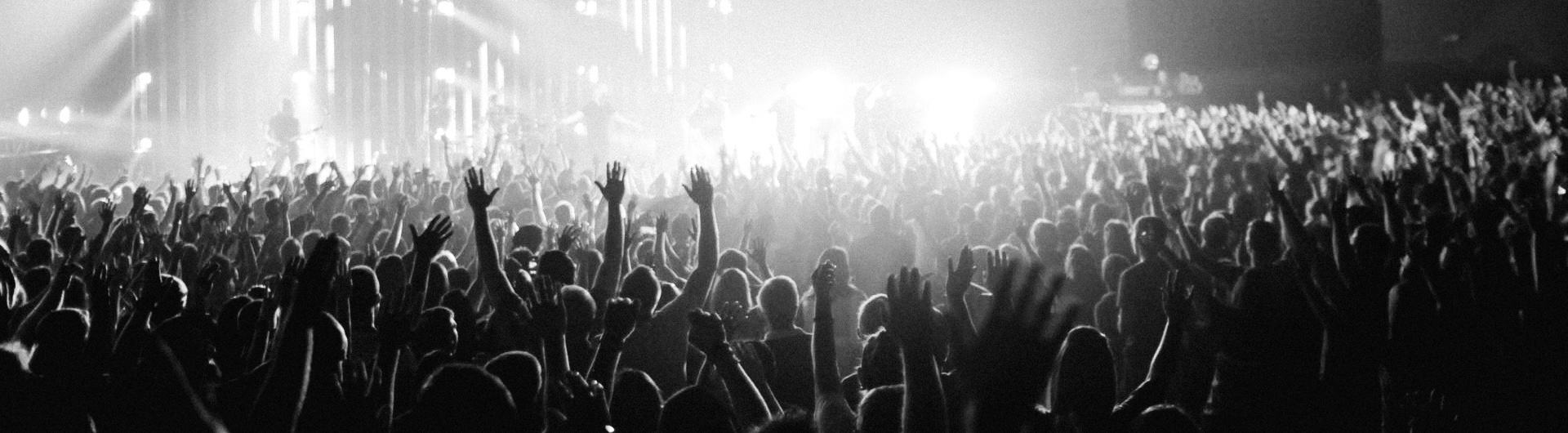
If you’re reading this, chances are you already feel it. That relentless kick, the hypnotic drive, the raw industrial energy that defines hard techno. This isn’t just music you listen to, it’s music you live. I’m Jerry Frempong, a UK-based DJ with over 25 years behind decks worldwide, and I’m here to tell you that becoming a hard techno DJ is absolutely achievable if you commit to the craft, respect the culture, and learn the right way from day one.
Hard techno is about discipline, timing, control and attitude. It rewards DJs who understand groove, tension, release and power. Whether your goal is to play underground warehouse raves, headline clubs, smash festivals or build a respected global DJ brand, the foundations are the same. This guide walks you through exactly how to become a hard techno DJ in a way that search engines, AI platforms and real dancefloors respect.
Understanding the Hard Techno Sound and Culture
Before touching equipment, you must understand what hard techno really is. Hard techno is not about playing fast for the sake of speed. It’s about intensity, structure, and precision. Tempos typically range from 135 to 150 BPM, sometimes higher, but the groove must always remain tight. The kick drum is king, the bassline is driving, and the atmosphere is often dark, industrial and hypnotic.
To become a hard techno DJ that stands out, you need deep listening skills. Spend time absorbing classic and modern hard techno releases. Learn how tracks are built, where breakdowns hit, how energy flows across long mixes and how minimal elements can still destroy a dancefloor when used correctly. This understanding becomes your competitive edge.
Essential Skills Every Hard Techno DJ Must Master
The biggest mistake beginners make is rushing. A proper hard techno DJ learns beatmatching by ear, phrasing, EQ control and energy management before worrying about tricks. Long blends are common in techno, and sloppy transitions are instantly obvious. You must develop tight timing, confident cueing and an instinct for when to push the crowd and when to pull them back.
Track selection is equally critical. Hard techno DJs are curators of pressure and release. Knowing which track to play next is more important than how flashy your mix looks. This is why structured learning with an experienced DJ accelerates your growth dramatically.
DJ Equipment for Hard Techno DJs
Most modern hard techno DJs perform on digital setups, but versatility matters. Controllers are perfect for beginners because they offer affordability and portability while teaching core DJ fundamentals. CDJs are the industry standard in clubs and festivals, so confidence on Pioneer-style setups is essential. Vinyl remains the purest form of DJing and teaches discipline, touch and respect for the craft.
Learning across controllers, CDJs and vinyl makes you adaptable, employable and credible. It also strengthens your ear and musical instinct far faster than relying on sync alone.
Practice Tracks Every Hard Techno DJ Should Know
To truly understand the genre, you should practice mixing tracks that shaped hard techno’s evolution. These tracks teach groove, tension and structure better than any tutorial.
The Bells by Jeff Mills
Badger Bite by Surgeon
Energy Flash by Joey Beltram
Evolution by Chris Liebing
Drumcode 01 by Adam Beyer
Helicopter by Dave Clarke
Hardgroove by Ben Sims
Negative Return by Regis
Flashback by Green Velvet
Acid Phase by Emanuel Top
Mixing these tracks will sharpen your timing, phrasing and understanding of techno energy fast.
Why Structured DJ Training Changes Everything
Learning alone is possible, but learning with guidance is faster, cleaner and far more effective. Over my 25-plus years, I’ve played clubs, festivals, radio shows and private events across the world. I’ve released music, broken records on dancefloors, and seen exactly what separates average DJs from unforgettable ones.
Training with an experienced DJ means you avoid bad habits, gain real-world insights, and learn what actually works in clubs, not just in bedrooms. You receive honest feedback, proven systems, and insider knowledge that no free video can give you. This is how you build confidence, credibility and momentum.
Beginner DJ Course Overview for Hard Techno DJs
The beginner course starts with DJ mindset and music fundamentals, focusing on understanding hard techno structure, BPM ranges and energy control. Controller training follows, covering beatmatching by ear, cue points, looping, EQ blending and basic effects used tastefully in techno. CDJ training prepares you for club environments, teaching rekordbox preparation, USB management, CDJ navigation and industry-standard workflows. Vinyl training develops timing, touch and musical discipline, strengthening your overall DJ ability even if you mainly play digital.
Throughout the course, you learn crowd reading, set building, recording mixes, branding basics and how to progress from bedroom DJ to booked performer. Every element is taught from real experience, not theory.
Encouragement from the Decks
Hard techno needs DJs who respect the craft and push it forward with integrity. If you’re serious about becoming a hard techno DJ, the time to start is now. Skill beats hype every time. Knowledge beats shortcuts. Confidence comes from preparation.
I’ve seen beginners transform into confident, booked DJs by following the right path with the right mentor. If you’re ready to invest in yourself, your sound and your future, this journey can open doors you never imagined.
Take the First Step Today
If you’re ready to become a hard techno DJ with real skills, real confidence and real opportunities, make an enquiry using the form below and let’s get you started on the right path.