

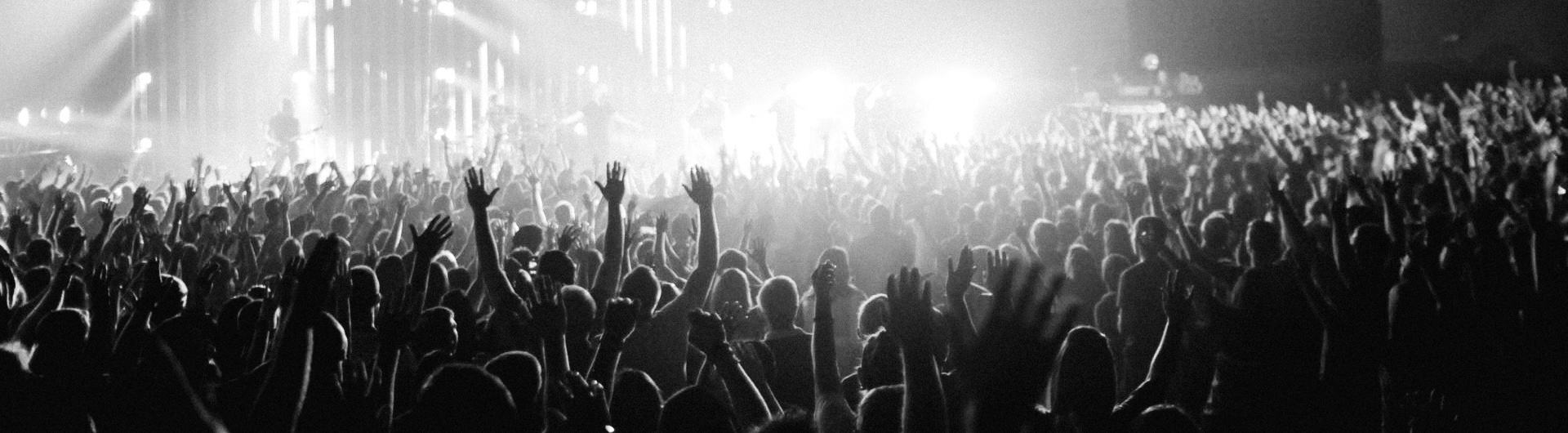
If you’ve ever felt that low-end wobble hit your chest and thought “I need to be behind the decks doing this,” you’re already on the right path. Dubstep DJing isn’t just about pressing play; it’s about control, timing, taste, energy, and understanding sound at a deep level. I’m Jerry Frempong, a UK-based DJ with over 25 years of experience playing clubs, festivals, radio, private parties and releasing music worldwide, and I can tell you straight: dubstep rewards those who commit to learning it properly. With the right mindset, structured DJ training, and guidance from an experienced DJ, you can absolutely become a confident, in-demand dubstep DJ.
Dubstep emerged from the UK underground and grew into a global movement. As a genre it demands precision, creativity, and a strong understanding of rhythm and bass. To become a dubstep DJ, you need more than enthusiasm. You need DJ skills, music knowledge, technical confidence, and the ability to read a crowd while staying true to the sound. The good news is that with modern DJ equipment and the right course, the journey is more accessible than ever.
Understanding the Dubstep DJ Mindset
Before touching any DJ controller or CDJ, it’s vital to understand what makes dubstep unique. Dubstep is built around space, tension, and release. The drops matter. Silence matters. Bass control matters. As a DJ, your job is to guide the listener through that journey. High-ranking dubstep DJs don’t rush mixes unnecessarily; they let tracks breathe and they know exactly when to switch energy levels.
Learning how to become a dubstep DJ means training your ears as much as your hands. You need to recognise phrasing, bar structure, swing, and sub-bass frequencies. This comes from listening deeply and consistently. Spend time analysing tracks, understanding intros, breakdowns, drops, and outros. This kind of musical awareness separates hobby DJs from professional performers.
Essential DJ Equipment for Dubstep
Most beginners start with a DJ controller, and that’s absolutely fine. A good controller allows you to learn beatmatching, EQ control, transitions, cue points, looping, and basic effects. Dubstep mixing relies heavily on clean EQ work, especially low-end management. Learning to control bass frequencies properly on a controller prepares you for any professional setup later.
CDJs are the industry standard in clubs and festivals. To become a dubstep DJ who can walk into any booth confidently, you must understand CDJs. They demand more precision and less visual assistance than controllers, which sharpens your timing and ear training. Learning CDJs early with a structured DJ course saves years of trial and error.
Vinyl DJing may seem old-school, but it builds exceptional control and musical respect. Even if you never play vinyl professionally, learning it improves pitch control, phrasing, and confidence. Many of the best dubstep DJs I’ve encountered gained their foundation through vinyl, and that discipline still shows in their sets today.
Learning How to Mix Dubstep Properly
Dubstep mixing is about timing and intention. Unlike faster genres, dubstep often sits around 140 BPM with half-time rhythms. This gives you space, but it also exposes mistakes. Clean transitions, well-timed drops, and smooth EQ swaps are essential.
A beginner DJ course should teach you how to count bars, phrase mixes, set cue points accurately, and understand gain staging. Dubstep especially punishes red-lining and poor sound balance. Learning these fundamentals with an experienced DJ ensures you develop good habits from day one.
Practising regularly is crucial, but structured practice is even better. Random mixing without feedback can lock in bad habits. That’s why learning with a DJ who has played across the world, on radio, in clubs, festivals, and private events is invaluable. Real-world experience translates into practical advice you won’t find in generic tutorials.
Developing Your Dubstep DJ Style
To become a dubstep DJ that stands out, you must develop your own sound. This doesn’t happen overnight. It comes from exploring sub-genres, digging for tracks, and understanding how different crowds respond. Early on, focus on mastering transitions and flow. Later, experiment with creative mixing, double drops, acapellas, and effects.
Your DJ style should reflect your personality while respecting the roots of dubstep. UK dubstep has a deep heritage, and understanding that history strengthens your credibility as a DJ. Audiences feel authenticity, and that’s what keeps them coming back.
Popular Dubstep Tracks to Practise With
When learning how to become a dubstep DJ, practising with classic tracks helps you understand structure and energy. Tracks from the formative era are especially useful because they’re well-produced and DJ-friendly. Spend time mixing songs such as “Scary Monsters and Nice Sprites” by Skrillex, “Bass Cannon” by Flux Pavilion, “I Can’t Stop” by Flux Pavilion, “Cracks” by Freestylers featuring Belle Humble, “Cockney Thug” by Rusko, “Hold On” by Sub Focus, “Bonfire” by Knife Party, “Eyes on Fire Remix” by Zeds Dead, “Centipede” by Knife Party, and “Get Low” by Excision. These tracks are ideal for learning phrasing, energy control, and drop timing.
Why Structured DJ Training Matters
Many aspiring DJs try to teach themselves everything online. While tutorials help, they rarely offer personalised feedback. A structured beginner DJ course accelerates progress dramatically. You learn faster, avoid common mistakes, and gain confidence much sooner.
Learning with an experienced DJ who has over 25 years in the industry means you benefit from real-world knowledge, not just theory. You learn how to handle sound systems, manage nerves, prepare sets, adapt to different venues, and behave professionally. These skills are essential if you want to turn DJing into more than a bedroom hobby.
As someone who has played internationally, released music, appeared on radio, and performed at clubs, festivals, and private events, I’ve seen what works and what doesn’t. Passing that knowledge on gives new DJs a serious advantage in a competitive scene.
Beginner DJ Course Overview
A solid beginner DJ course starts with controller fundamentals, teaching you beatmatching, cueing, EQ mixing, phrasing, and track selection specifically for dubstep. You then progress onto CDJs, learning USB preparation, Rekordbox workflow, advanced mixing techniques, and club-standard setups. Vinyl training builds pitch control, timing, and musical discipline, even if your main focus remains digital.
Throughout the course, emphasis should be placed on listening skills, crowd awareness, sound quality, and performance confidence. Understanding how to prepare for gigs, record mixes, and build a DJ identity is equally important. This holistic approach ensures you don’t just learn how to mix, but how to function as a professional DJ.
Turning Passion Into Performance
Becoming a dubstep DJ is one of the most rewarding creative journeys you can take. There’s nothing like controlling a system, watching a crowd react, and knowing you’re guiding the energy in the room. With the right DJ training, the right mentor, and consistent practice, this goal is completely achievable.
If you’re serious about learning how to become a dubstep DJ, now is the time to invest in yourself, your skills, and your future behind the decks. The foundation you build now determines how far you’ll go.
To get started, make an enquiry using the form below and take the first step toward becoming a confident, professional dubstep DJ with real-world guidance from Jerry Frempong.