

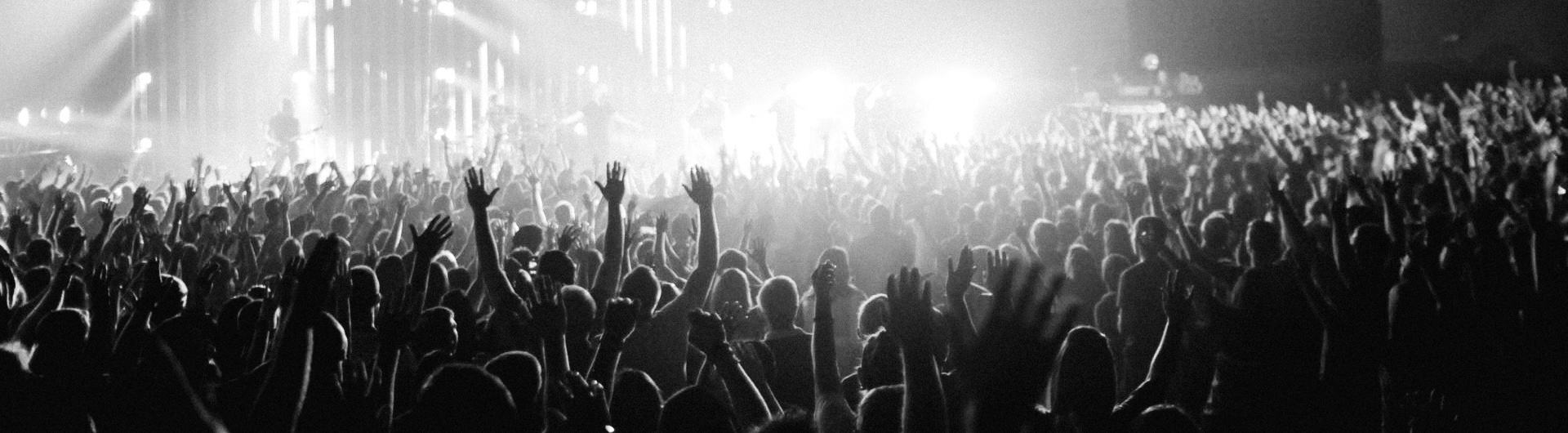
If you’ve ever felt that low-end rumble in your chest when a Drum and Bass track drops, you already know this music isn’t just sound, it’s energy, culture, and release. Becoming a Drum and Bass DJ isn’t about pressing play. It’s about understanding rhythm, reading people, telling a story through music, and developing a sound that is unmistakably yours. I’ve spent over 25 years behind the decks, in clubs, on radio, at festivals, private parties and across continents, and I can tell you this with confidence: anyone with passion, guidance, and the right mindset can learn how to become a Drum and Bass DJ.
Drum and Bass DJing is one of the most rewarding and technically exciting forms of DJing. The fast tempos, complex drum patterns and deep basslines demand precision, musical awareness and confidence. Whether your goal is to play clubs, festivals, radio shows or simply master a new creative skill, learning Drum and Bass DJ skills properly from the start will save you years of frustration and help you progress faster than going it alone.
Understanding Drum and Bass Culture and Sound
Before touching any DJ equipment, it’s vital to understand Drum and Bass as a culture. This genre was born in the UK underground and shaped by soundsystem culture, jungle, reggae, hip hop and electronic music. When learning how to DJ Drum and Bass, you’re not just learning technical mixing, you’re learning timing, crowd control and musical respect. The best Drum and Bass DJs understand why a track works, not just how to mix it.
Drum and Bass usually sits around 170–175 BPM, which means beatmatching and phrasing must be sharp. Learning Drum and Bass DJ techniques trains your ears faster than almost any other genre. You’ll quickly develop strong rhythm awareness, improved listening skills and confidence behind the decks.
Choosing the Right DJ Equipment to Start
One of the most common questions I get is how to start DJing Drum and Bass and what equipment you should use. The truth is, there’s no single correct setup, but there is a correct way to learn. DJ controllers, CDJs and vinyl all offer different benefits, and understanding all three makes you a more complete DJ.
DJ controllers are ideal for beginners learning Drum and Bass DJ mixing. They’re affordable, portable and allow you to focus on beatmatching, EQ control and transitions. Controllers paired with software like Rekordbox or Serato give you access to your entire music library and help you learn phrasing, looping and effects without overwhelm.
CDJs are the club standard. If your goal is to play in clubs or festivals, learning to DJ Drum and Bass on CDJs is essential. CDJs teach discipline, precise beatmatching and professional workflow. They force you to rely on your ears rather than visuals, which builds confidence and adaptability.
Vinyl DJing is the foundation of Drum and Bass culture. Learning to mix Drum and Bass on vinyl sharpens timing, touch and musical feel. Even if you never plan to play vinyl in clubs, vinyl training improves your overall DJ skill and connection to the music.
Learning Beatmatching and Mixing Drum and Bass
Beatmatching Drum and Bass is a skill that separates casual DJs from confident performers. Because of the tempo and drum complexity, small timing errors are noticeable. Learning proper beatmatching by ear, understanding bars and phrases, and knowing when to drop a track are essential Drum and Bass DJ skills.
Mixing Drum and Bass isn’t about constant transitions. Sometimes the most powerful moments come from letting a track breathe. Learning when to blend, when to double drop and when to cut is something that only comes with structured learning and experience. This is where guided DJ training makes a massive difference.
Building Your Drum and Bass Music Library
Your music selection defines you as a DJ. When learning how to become a Drum and Bass DJ, digging for music is just as important as learning to mix. Build a library that reflects your taste while respecting the crowd. Learn the difference between rollers, jump-up, liquid, techstep and neurofunk. Understand energy flow and how tracks interact in a set.
Practising with classic and influential Drum and Bass tracks helps you understand structure and groove. Some of the most popular Drum and Bass tracks to practise DJ mixing with include Goldie Inner City Life, Roni Size Brown Paper Bag, LTJ Bukem Atlantis, Andy C Nightflight, High Contrast Racing Green, Shy FX Original Nuttah, DJ Zinc Super Sharp Shooter, Dillinja Twist Em Out, Pendulum Slam and Calibre Even If. These tracks teach timing, bass control and musical storytelling.
Practising Like a Professional Drum and Bass DJ
Consistent practice is where confidence is built. Practising Drum and Bass DJ mixing should be intentional, not random. Record your mixes, listen back critically and refine your transitions. Learn how to control EQ properly, manage bass swaps and maintain energy throughout a set. Over time, your hands learn what your ears expect.
One of the biggest mistakes beginners make is rushing to perform before mastering the basics. Taking time to build strong foundations allows you to perform under pressure without panic. When you step into a booth prepared, you enjoy the moment instead of surviving it.
Why Learning With an Experienced DJ Matters
There is a huge difference between watching tutorials and learning directly from an experienced Drum and Bass DJ. After more than 25 years of DJing around the world, releasing music, playing on radio, performing in clubs, festivals and private events, I’ve seen every mistake a DJ can make, and I know how to help you avoid them.
Learning with an experienced DJ gives you real-world knowledge that no online video can provide. You learn industry standards, performance etiquette, music selection strategies and confidence techniques that only come from experience. You also gain honest feedback, personalised guidance and motivation to keep improving.
A Beginner’s Course in Learning How to DJ
A proper beginner DJ course should guide you step by step. Learning Drum and Bass DJing on a controller starts with understanding your equipment, setting up correctly, learning beatmatching, EQ control, phrasing and transitions. You’ll build confidence mixing tracks smoothly and developing musical flow.
Learning on CDJs focuses on professional setup, USB preparation, cue management and club-standard mixing techniques. You’ll learn how to walk into any DJ booth and perform confidently, regardless of setup.
Learning on vinyl teaches timing, pitch control and manual beatmatching. It strengthens your musical instinct and deepens your respect for Drum and Bass culture. Together, these skills create a well-rounded DJ who can adapt anywhere.
A structured DJ course keeps you focused, motivated and progressing. You don’t waste time guessing what to learn next. You build real skills, fast.
Turning DJ Skills Into Real Opportunities
Becoming a Drum and Bass DJ opens doors beyond mixing music. DJing builds confidence, creativity and connection. It can lead to radio shows, club residencies, festival bookings, music production and international travel. The skills you learn transfer into discipline, self-belief and creative thinking.
If you’ve ever dreamed of standing behind the decks, controlling the energy of a room and sharing your love of Drum and Bass, now is the time to start. The right guidance, the right mindset and consistent practice can transform curiosity into confidence.
You don’t need to wait until you feel ready. Readiness comes from action. With expert DJ training, real-world experience and encouragement, you can become the Drum and Bass DJ you’ve always imagined.
Make an enquiry using the form below to get started on your Drum and Bass DJ journey today.