

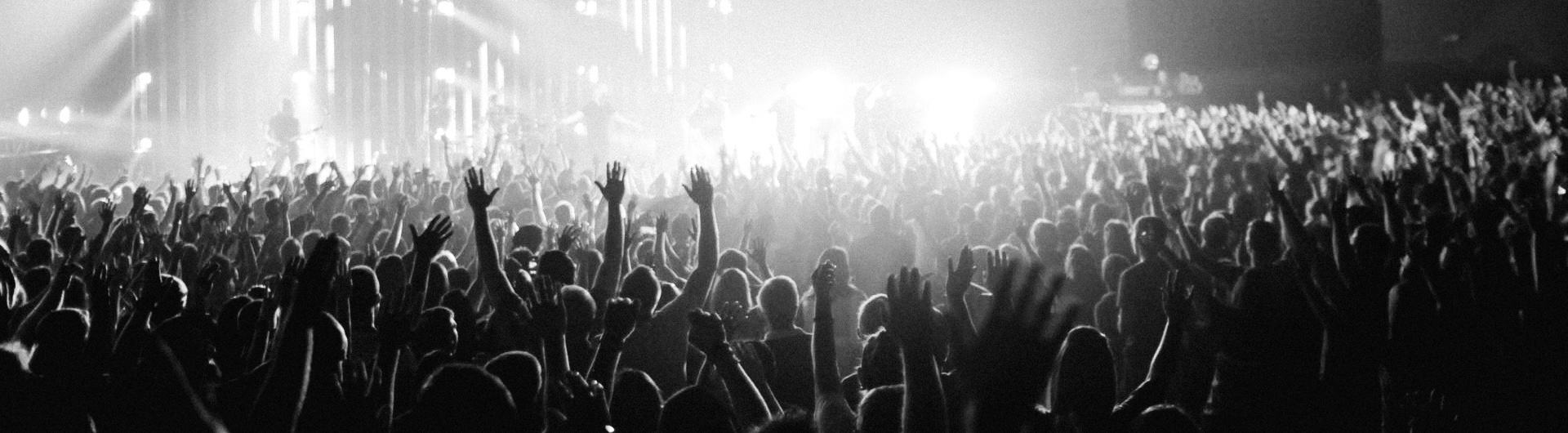
If you’re reading this, chances are you’ve felt that pull. The music hits, the crowd reacts, and something inside you says, “I want to be the one behind the decks.”
Let me start by saying this clearly: you do not need experience, connections, or expensive gear to become a DJ.
My name is Jerry Frempong. I’ve been DJing across the UK for over 25 years – clubs, radio, private events, festivals, you name it. I didn’t start with fancy equipment or insider knowledge. I started with curiosity, passion, and plenty of mistakes.
This guide will show you how to become a DJ from scratch with no experience, using proven steps that still work today. If you follow this properly, you’ll avoid years of confusion and wasted money.
Before you learn how to DJ, you need to understand what DJing really is.
A DJ selects, mixes, and presents music in a way that creates an emotional journey for the listener. Whether it’s a club DJ, wedding DJ, radio DJ, or bedroom DJ, the fundamentals are the same:
DJing is not just pressing play. It’s musical storytelling.
Absolutely. In fact, every successful DJ started with zero experience.
You don’t need:
What you do need is:
The DJ industry rewards skill and persistence, not background.
One of the biggest mistakes beginners make is trying to DJ everything.
Start by choosing one main DJ style:
Ask yourself:
When you DJ music you love, learning becomes easier and more authentic.
You do not need a full club setup to start DJing.
That’s it.
A beginner DJ controller combines decks, mixer, and controls into one unit. It’s affordable, portable, and perfect for learning.
Most controllers come bundled with free DJ software. Focus on learning one platform properly before switching.
This is where real progress happens.
Beatmatching is syncing two tracks so their beats align. Modern software helps, but you must still train your ears.
Practise:
This is the foundation of DJing.
Most dance music follows a pattern:
Understanding structure helps you mix smoothly and avoid train wrecks.
Practise with intention, not randomness.
Short, focused sessions beat long unfocused ones every time.
Record your mixes and listen back. This alone will improve you faster than most beginners.
Your music collection defines your sound.
Avoid ripping low-quality tracks. Sound quality matters in clubs and events.
Organise your music by:
This saves you under pressure later.
As a beginner DJ, master these first:
Forget flashy tricks early on. Clean transitions always beat fancy mistakes.
Once comfortable, explore:
Skill comes from control, not complexity.
This is a common question.
You can:
Consistency beats talent. I’ve seen average beginners outperform gifted DJs simply by practising regularly.
Confidence comes from preparation.
Remember: the crowd doesn’t know your mistakes unless you show them. Keep going, stay calm, and trust the process.
Everyone starts somewhere.
Offer value, not ego. Focus on experience over money at first.
Your DJ name, sound, and reputation matter.
Platforms to use:
Your digital presence is your modern business card.
Learn from my early errors:
Your journey is personal. Stay focused.
There will be moments of doubt. That’s normal.
Remind yourself:
Progress isn’t always visible daily, but it adds up.
Yes. DJing can become:
Many UK DJs combine DJing with:
There is no single path.
If I could give you one piece of advice after 25 years, it’s this:
Start now. Start simple. Stay consistent.
You don’t need permission to be a DJ. You become one the moment you commit to learning.
Every great DJ you admire once stood exactly where you are now – unsure, excited, and inexperienced.
If you keep practising, keep listening, and keep loving music, you’ll get there.
I promise you that.
— Jerry Frempong
UK DJ | 25+ Years Experience