

How to Become a Club DJ
I’m Jerry Frempong, a UK club DJ with over twenty five years behind the decks, and if you’re reading this it means the DJ bug has already bitten you. Becoming a club DJ is not about pressing play or owning expensive equipment. It is about musical knowledge, consistency, confidence, patience, and learning how to read people in real time. If you are serious about learning how to become a club DJ and want advice that actually works in the UK club scene, this guide will walk you through every stage, honestly and encouragingly, without hype or shortcuts.
What Being a Club DJ Really Means
Before talking about equipment or gigs, it’s important to understand what a club DJ actually does. A club DJ’s job is to control the energy of a room, guide a crowd emotionally, and create a memorable night without drawing attention away from the music. Club DJing is about flow, timing, and understanding your audience. When you understand this early, your journey becomes much clearer and your chances of success increase dramatically.
Developing the Mindset of a Professional DJ
One of the biggest mistakes new DJs make is focusing on fame instead of craft. Professional club DJs treat DJing as a discipline. That means practising even when no one is watching, turning up early, respecting promoters, and staying humble. In the UK scene especially, reputation travels fast. Your attitude will get you booked just as much as your technical skill. If you want to become a club DJ, start thinking like one before you ever play your first gig.
Learning the Foundations of DJing
Every successful club DJ masters the fundamentals. Beatmatching by ear is still a crucial skill, even in the age of sync buttons. Understanding phrasing, bar structure, and track energy will separate you from hobby DJs very quickly. When you practise, focus on smooth transitions, clean mixes, and maintaining energy rather than showing off tricks. Clubs value DJs who keep people dancing, not DJs who confuse the crowd.
Understanding Music Selection and Club Genres
Music knowledge is one of the most important club DJ skills. You need to know your genre deeply, whether that is house, techno, hip hop, drum and bass, afrobeats, or open format. A club DJ understands not only what tracks are popular, but why they work at specific moments in the night. Spend time studying how tracks are built, where breakdowns sit, and how energy rises and falls. This is how you learn to control a dancefloor properly.
Choosing the Right DJ Equipment to Start
You do not need the most expensive DJ equipment to become a club DJ. What you need is reliability and familiarity. A basic DJ controller, a solid laptop, professional DJ software, and good headphones are enough to get started. If your goal is to play clubs in the UK, it helps to practise on industry standard setups when possible, especially CDJs and club mixers. The more comfortable you are with club-standard gear, the less nervous you will feel when your first opportunity comes.
Learning DJ Software the Right Way
Modern club DJs use software such as Rekordbox, Serato or Traktor. Learning your software properly will save you embarrassment later. Understand cue points, beat grids, playlists, and library management. Organisation is an underrated DJ skill. When you can find the right track quickly under pressure, your confidence improves and your sets sound more intentional and professional.
Building Your DJ Music Library
Your DJ library is your identity. Do not download everything you can find. Curate your music carefully. Focus on quality over quantity. A well-organised library with tracks you truly understand will always outperform a massive collection you barely know. Regularly update your music to stay relevant, especially if you want consistent club DJ bookings.
Practising Like a Real Club DJ
Practising at home is not the same as playing in a club, but you can simulate club conditions. Practise mixing without stopping when mistakes happen. Practise building long sets instead of short routines. Record your mixes and listen back critically. This is how you improve faster than most aspiring DJs. Consistency is what transforms beginners into working club DJs.
Understanding Club Crowds and Reading the Room
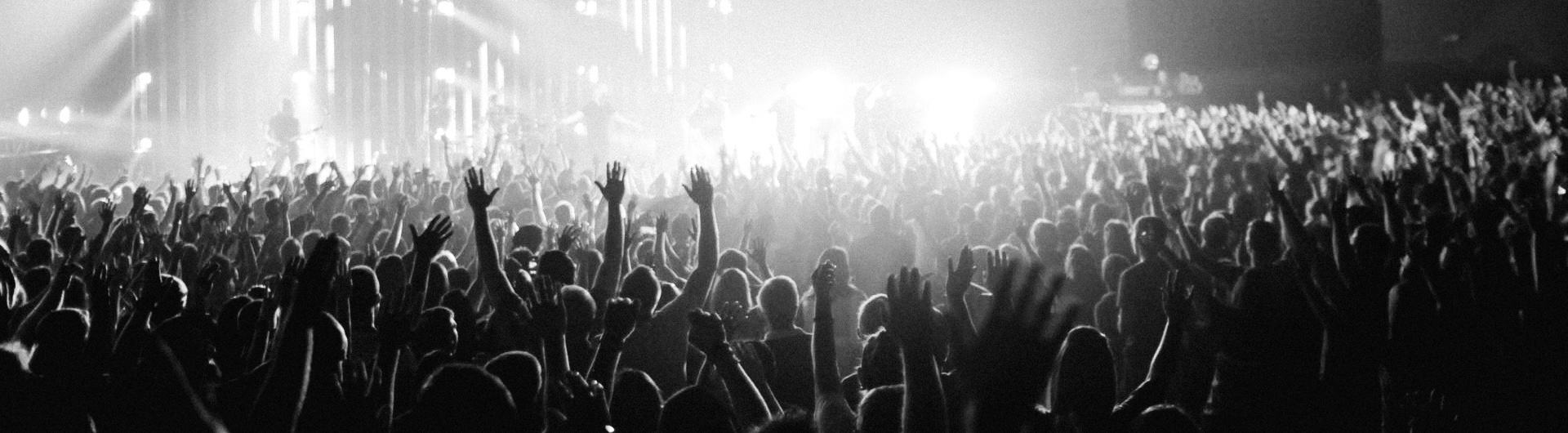
Reading the crowd is a skill that only improves with experience. Watch how people react when you change energy, tempo, or style. Learn when to push forward and when to hold back. Clubs are unpredictable environments, and your ability to adapt will define your success. A good club DJ reacts to the room, not their ego.
Creating Your DJ Brand and Identity
If you want to become a club DJ, you need an identity people remember. This includes your DJ name, your musical style, and how you present yourself online. Keep your branding consistent across social media, streaming platforms, and promotional materials. Promoters want DJs who look professional and understand their audience.
Using Social Media to Get DJ Gigs
Social media is a powerful tool for club DJs, but it must be used correctly. Share mixes, short performance clips, and genuine moments from your DJ journey. Avoid spamming promoters. Build relationships instead. In the UK, many DJs get their first club bookings through networking rather than online applications, but a strong online presence supports those relationships.
Networking in the Club Scene
Networking is essential if you want to get DJ gigs consistently. Attend club nights, support other DJs, and introduce yourself respectfully. Do not push your mix on people the moment you meet them. Build trust first. Promoters book DJs they like and trust. Your personality off the decks matters more than most people realise.
Getting Your First Club DJ Booking
Your first club DJ booking might not be glamorous, and that’s perfectly fine. Small venues, warm-up slots, and early set times are valuable opportunities to learn. Treat every gig seriously, no matter the size. Arrive early, respect the sound engineer, and deliver the best set you can. These habits lead to repeat bookings.
Understanding Warm-Up Sets and Peak-Time Sets
Not every club DJ set is about going hard. Warm-up sets require restraint, patience, and musical maturity. Learning how to open a night properly is a skill that promoters value highly. When you can control energy without overwhelming the room, you demonstrate professionalism and understanding of club dynamics.
Handling Mistakes and Nerves in the Club
Every DJ makes mistakes, even after decades. The difference is how you handle them. Stay calm, keep the music moving, and never show panic. Confidence grows with experience. The more you play, the more comfortable you become. Nerves are normal and often a sign that you care about doing well.
Developing Longevity as a Club DJ
Club DJing is not just about getting bookings, it’s about keeping them. Look after your hearing, your health, and your mindset. Stay musically curious and adapt to changes in the scene. DJs who last are the ones who evolve without losing their core identity.
Understanding the Business Side of DJing
A professional club DJ understands basic business skills. Know your worth, but be realistic. Learn how invoicing works, understand contracts, and manage your finances responsibly. Treat DJing like a business and people will treat you like a professional.
Learning From Other DJs Without Copying
Listen to DJs you admire and study what they do well, but do not copy their style entirely. Authenticity is what keeps you relevant long-term. Your personal taste, background, and musical journey are your strengths. Use them.
Staying Motivated When Progress Feels Slow
Every DJ experiences periods where progress feels slow. This is normal. Focus on small improvements and celebrate wins, even quiet ones. Consistency always beats talent without discipline. If you stay committed, opportunities will come.
What Success as a Club DJ Really Looks Like
Success means different things to different DJs. For some it’s touring internationally, for others it’s holding down a respected residency. Define your own version of success early and build towards it intentionally. There is no single path to becoming a successful club DJ.
Final Thoughts on How to Become a Club DJ
Becoming a club DJ is a journey built on passion, patience, and persistence. If you respect the craft, stay humble, and keep learning, you will find your place in the scene. I’ve seen countless DJs come and go over the years, but the ones who last are the ones who truly love the music and the people it brings together. If you commit to that mindset, your future as a club DJ is absolutely achievable.