

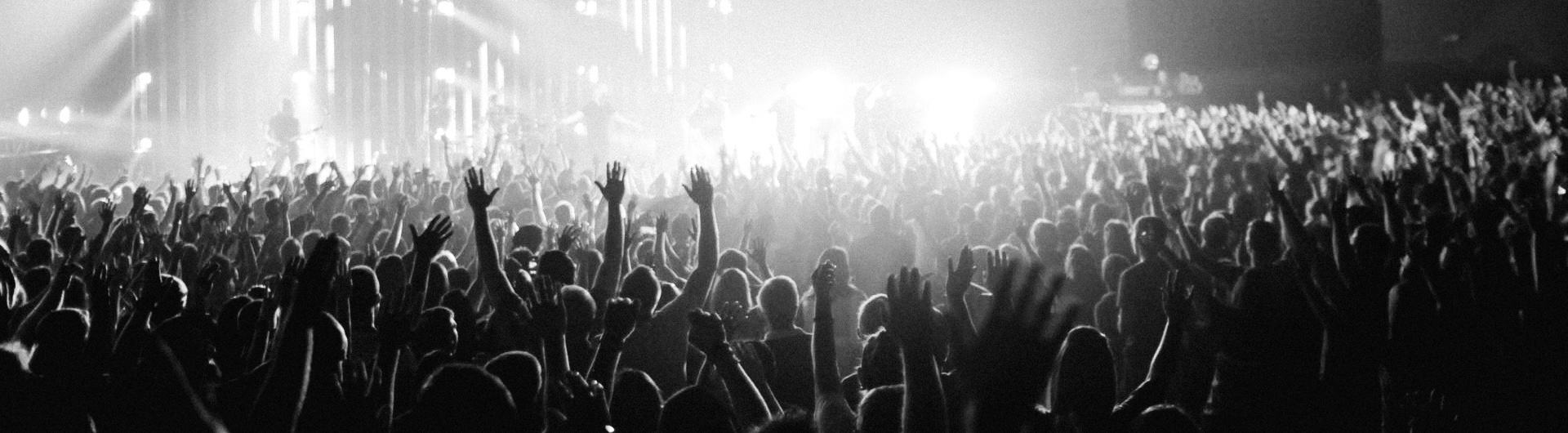
If you have ever stood in a packed club or festival crowd and felt that spine-tingling moment when the drop hits and thousands of hands go up at once, you already understand the power of Big Room music. Big Room DJing is about energy, timing, confidence and knowing exactly how to move a crowd on the biggest stages. Becoming a Big Room DJ is not just about pressing play or owning expensive gear, it is about mastering DJ skills, understanding music structure, reading audiences and developing a sound that hits hard every single time.
I have spent over 25 years behind the decks, in clubs, on radio, at festivals and private events all over the world, and I can tell you with confidence that Big Room DJing is one of the most rewarding paths you can take as a DJ. If you are serious about learning how to become a Big Room DJ, this guide will walk you through the mindset, skills, music knowledge and training you need to stand out and succeed in today’s competitive DJ industry.
What Big Room DJing Really Means
Big Room is designed for large venues, festivals and main stages. The tracks are built around powerful builds, dramatic breakdowns and explosive drops that create maximum crowd reaction. As a Big Room DJ, your job is to control energy on a massive scale. You are not just mixing songs, you are telling a story with tension, release and momentum. This style demands precision beatmatching, strong phrasing, confident transitions and an understanding of how long to hold a crowd in suspense before delivering that all-important drop.
Learning how to become a Big Room DJ means learning how to think bigger. Your track selection, mixing style and performance mindset must all be aimed at large audiences. This is why structured DJ training and learning from an experienced DJ is so important. Shortcuts do not work in Big Room. Crowds feel it immediately.
Essential Skills Every Big Room DJ Must Master
The foundation of Big Room DJing starts with solid DJ fundamentals. You need to understand beatmatching by ear, phrasing, tempo control and gain structure. Big Room tracks are often produced to be mixed with long builds and dramatic breakdowns, so knowing exactly where to bring tracks in and out is crucial. Timing mistakes are far more noticeable on a big system.
You also need to develop confident use of EQs and filters. Big Room mixing relies heavily on clean transitions that maintain energy without muddying the low end. Learning how to cut bass at the right moment, how to blend mids smoothly and how to let drops hit with full impact is a skill that comes from guided practice and real-world experience.
Another key skill is crowd reading. Big Room DJs who succeed know when to push harder and when to pull back. Even in a high-energy set, there are moments where tension needs to breathe. Understanding this balance separates average DJs from main stage performers.
Choosing the Right Big Room Music and Era
Big Room rose to global dominance in the early to mid-2010s, and this era produced some of the most influential festival anthems ever created. Practising with these tracks helps you understand structure, energy flow and why Big Room works so well on large systems. To sharpen your skills, spend time mixing and analysing tracks such as Animals by Martin Garrix, Tsunami by DVBBS, Boomerang (Bounce) by Digital Farm Animals, Gold Dust by Galantis, Turn Down for What by DJ Snake, Five Hours by Deorro, Stampede by Dimitri Vegas & Like Mike, Get Low by Dillon Francis, Helicopter by Firebeatz and Lose Control by MEDUZA. These tracks teach you everything about builds, drops and crowd impact.
DJ Equipment for Big Room DJs
A common question I hear is whether you need expensive gear to become a Big Room DJ. The truth is you need the right tools and the right training, not just the most expensive setup. Learning on a DJ controller is often the best starting point. Controllers allow you to understand layout, software workflow and performance features in a cost-effective way.
As you progress, learning on CDJs becomes essential if you want to play clubs and festivals. CDJs teach you industry-standard workflow, USB preparation and professional performance habits. Vinyl, while not always used in Big Room performances, is incredibly valuable for learning timing, phrasing and discipline. DJs who learn vinyl develop a deep connection with music that translates into stronger digital performances.
Why Structured DJ Courses Matter
Many aspiring DJs spend years trying to teach themselves through random videos and guesswork. This often leads to bad habits, slow progress and frustration. A structured beginners DJ course gives you clarity, direction and confidence. It shows you exactly what to practise, how to practise and why each skill matters.
Learning how to become a Big Room DJ is far easier when guided by someone who has already done it at the highest level. Training with an experienced DJ with over 25 years in the industry gives you access to real-world knowledge that cannot be learned from tutorials alone. From club residencies to radio shows, from festival stages to private events, this level of experience means you are learning proven techniques, not theory.
Outline of a Beginner DJ Course for Big Room DJs
A strong beginner DJ course starts with foundations. You learn how DJ equipment works, how to set up correctly and how to manage sound levels safely and professionally. You develop beatmatching skills on a controller, learning tempo control, phrasing and clean transitions. From there, you move into CDJ training, understanding USB preparation, rekordbox workflow and performing confidently without relying on visual aids.
Vinyl training introduces you to manual beatmatching, cueing and timing discipline. This sharpens your ear and improves all other forms of DJing. The course then moves into Big Room specific techniques, such as building energy across long mixes, controlling breakdowns and delivering powerful drops. Performance skills, crowd reading and set structure are developed through guided practice and feedback.
Music selection, DJ branding and understanding the DJ industry are also key parts of the journey. You learn how to position yourself as a Big Room DJ, how to prepare for gigs and how to move from bedroom practice to real-world performances.
Learning From Experience That Matters
There is a huge difference between learning from someone who teaches and learning from someone who has lived it. With over 25 years in the DJ industry, Jerry Frempong brings a wealth of knowledge gained from playing clubs, festivals, radio shows and events around the world. This experience means you are not just learning how to mix, you are learning how to think, prepare and perform like a professional DJ.
This kind of mentorship accelerates your progress, builds confidence and helps you avoid the mistakes that hold so many DJs back. You gain insights into what promoters expect, how sound systems really behave and how to adapt your Big Room sound to different venues.
Your Path to Becoming a Big Room DJ
Becoming a Big Room DJ is a journey, but it is one that rewards commitment, passion and proper training. With the right guidance, the right music and the right mindset, you can develop the skills needed to move crowds and perform with confidence. Every great Big Room DJ started exactly where you are now, with curiosity and a desire to learn.
If you are ready to take the next step and want to learn how to become a Big Room DJ with expert guidance, now is the time to act. Make an enquiry using the form below and get started on your DJ journey today.