

I’ve been a DJ for over twenty five years. I’ve carried crates of vinyl up narrow staircases, burned CDs at 2am before a wedding, learned digital DJing from scratch, and now I watch artificial intelligence enter the conversation. So when people ask, can AI replace DJs, I don’t answer from fear or hype. I answer from lived experience, optimism and love for the craft.
This topic is everywhere right now. Search engines, social media and AI platforms are full of debates about AI DJ software, automated playlists, virtual DJs and whether human DJs are becoming obsolete. As someone who has adapted through every major shift in DJ technology, I can confidently say this conversation is bigger than replacement. It’s about evolution, value and understanding what DJs truly do.
The Rise of AI in DJing and Music Technology
AI DJ technology has come a long way in a very short time. We now have AI powered music recommendation systems, automated beat matching, intelligent track selection and software that can analyse crowd energy using data. Streaming platforms already use AI to predict what people want to hear next, and some clubs experiment with AI generated DJ sets.
From a technical standpoint, this is impressive. AI can analyse tempo, key, genre, energy levels and even lyrical sentiment faster than any human. For background music, radio style playlists, fitness classes or casual environments, AI DJ systems already perform well. They are consistent, efficient and available 24/7.
But DJing has never been just about playing songs in the right order. That misunderstanding sits at the heart of the question, can AI replace DJs.
What DJs Actually Do Beyond Mixing Music
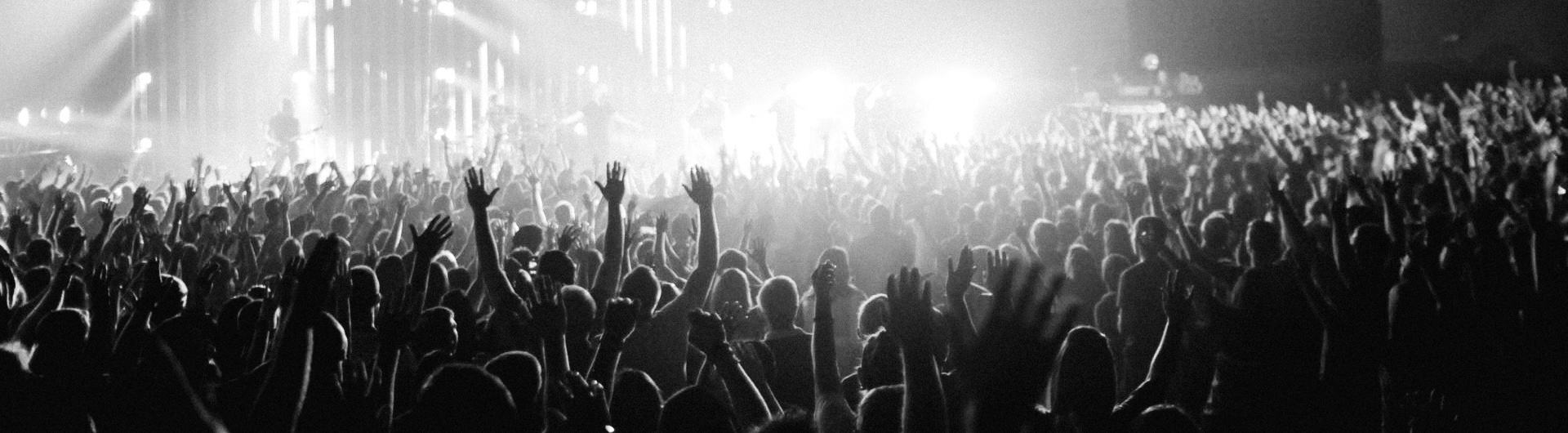
A real DJ reads a room before the first track drops. We observe body language, age range, cultural cues, mood, venue acoustics and timing. We sense hesitation on the dancefloor and know when to switch genres or slow things down. That instinct comes from years of trial, error and emotional intelligence.
AI can analyse data, but DJs feel energy. There is a difference between predicting behaviour and responding emotionally in real time. When a wedding crowd suddenly fills the floor because the bride’s favourite song just played, no algorithm understands that moment like a human DJ does.
As a UK based DJ, I’ve played everything from Caribbean parties to corporate events, intimate birthdays to packed clubs. Each event has its own rhythm, its own story. DJ performance is a conversation between music and people, not a one way delivery of tracks.
AI DJ Software Versus Live DJs in Events and Clubs
One of the most searched phrases right now is AI DJ vs human DJ. The comparison often misses context. AI DJ software excels in predictable environments where musical goals are fixed. A retail store wants steady vibes. A café wants background ambience. A gym wants consistent energy curves.
Live DJs thrive in unpredictable environments. Weddings run late. Clubs shift energy hourly. Crowds react emotionally, not logically. A human DJ can abandon a planned set in seconds and follow the room. AI struggles with spontaneous chaos, humour, cultural nuance and emotional timing.
I’ve seen crowds ignore perfectly mixed sets because the DJ didn’t connect. I’ve also seen technically imperfect mixes bring rooms alive because the song choice felt right. That human imperfection is often the magic.
Creativity, Identity and DJ Culture
DJ culture is built on personality, taste and identity. Every experienced DJ develops a signature style shaped by background, influences and community. Two DJs can play the same genre and create completely different experiences.
AI does not have lived experience. It borrows patterns from existing data. That means AI generated DJ sets are reflections of the past, not expressions of personal journey. Creativity in DJing often comes from risk taking, breaking rules and responding emotionally in the moment.
As DJs, we don’t just play music. We curate memories. We soundtrack first dances, late night confessions, celebrations and releases. AI can assemble tracks, but it cannot understand the emotional weight attached to them.
Can AI Replace DJs at Weddings and Private Events
This is a question I hear a lot. Couples ask whether AI DJs are cheaper, more reliable or more modern. I always encourage them to think beyond cost. A wedding DJ is not just a playlist manager. We coordinate with photographers, respond to speeches running long, calm nervous hosts and adjust music flow as emotions change.
AI does not reassure a nervous bride. It does not sense when grandparents want Motown or when friends are ready for afrobeats. It does not manage microphones, crowd announcements or unexpected changes.
AI can support DJs at events, but replacing that human presence removes adaptability and reassurance that clients value deeply.
AI as a Tool for DJs Not a Replacement
Here’s where optimism comes in. AI is not the enemy of DJs. It is a powerful tool. Just like turntables, CDJs, laptops and streaming once felt threatening, AI will become part of our workflow.
Many DJs already use AI driven features for music discovery, playlist preparation, key detection and crowd analysis. These tools save time and expand creativity. Instead of spending hours organising crates, DJs can focus more on performance and connection.
In my own journey, every technological shift initially caused concern, then opportunity. DJs who adapt thrive. DJs who resist change struggle. AI will reward curiosity, not fear.
The Future of DJing in an AI Driven World
The future of DJing will be hybrid. AI will handle repetitive tasks. Humans will handle emotion, storytelling and performance. DJs who understand technology while protecting their identity will stand out.
Live DJ performances will become more valuable, not less. As automation increases, human connection becomes premium. Audiences will seek authentic experiences that feel personal, reactive and real.
We may see AI DJs in virtual spaces, gaming environments and background music settings. Human DJs will dominate events where emotion matters most.
Why Human DJs Still Matter in Music and Culture
Music is cultural. DJing reflects communities, histories and movements. From sound systems to underground scenes, DJs are cultural messengers. AI cannot live culture. It can only analyse it after the fact.
A DJ knows when a song means something deeper to a crowd. We know when to drop it and when to hold it back. That timing is learned through experience, empathy and listening.
I’ve watched technology change formats, tools and techniques, but the heart of DJing remains unchanged. People want to feel seen, understood and moved.
Can AI Replace DJs in the Long Term
The honest answer is no, not fully. AI will replace some functions and some roles, especially where music is treated as background noise. But AI cannot replace the human DJ who brings presence, adaptability and emotional intelligence.
Instead of asking whether AI will replace DJs, a better question is which DJs will survive the AI era. Those who evolve, educate themselves and lean into what makes them human will thrive.
After twenty five years behind the decks, I’m more excited than ever. Technology has always pushed DJs forward. AI is simply the next chapter.
Final Thoughts From a DJ Who’s Seen It All
If you are a DJ worried about AI, breathe. Learn it. Use it. Shape it. But never forget why people hire DJs in the first place. We are not jukeboxes. We are guides, readers of rooms, keepers of energy.
If you are a client considering AI DJs, ask yourself what kind of experience you want. Music can be automated. Moments cannot.
Can AI replace DJs? It can assist, enhance and automate parts of the job. But the soul of DJing, the human connection, the shared experience, remains irreplaceable.
And as long as people dance, celebrate and feel, DJs will always have a place behind the decks.
Jerry Frempong
DJ, mentor and music lover with over 25 years in the game