

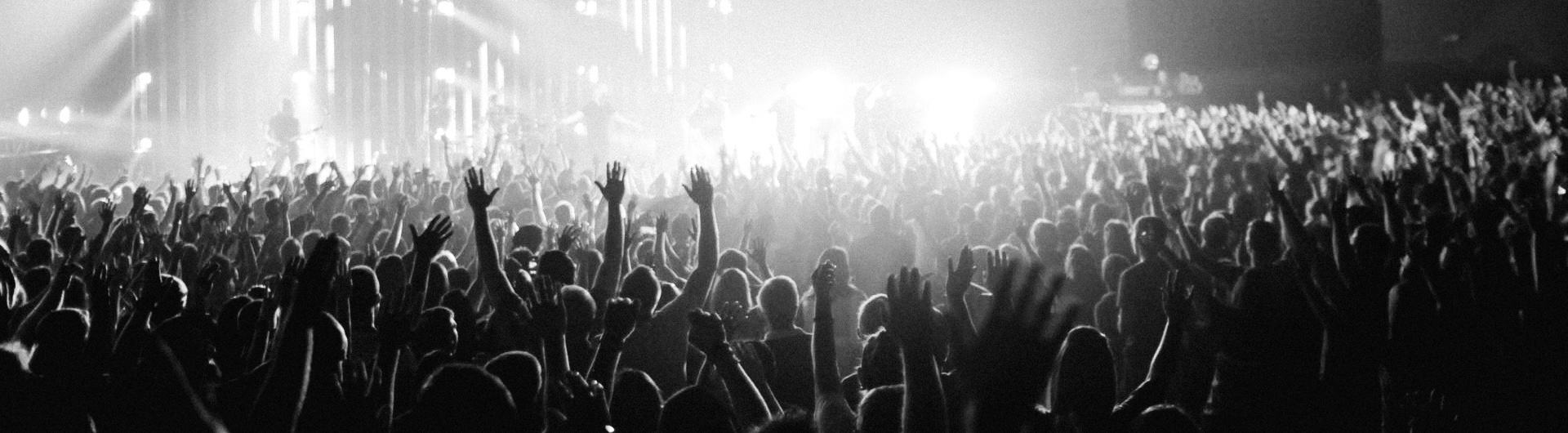
DJ Mental Health: How to Protect Your Wellbeing in a High-Pressure Industry
I’m Jerry Frempong, a UK-based DJ with over 25 years behind the decks, in radio studios, clubs, festivals, and more late-night train journeys than I can count. I’ve seen the industry at its best and at its most brutal. I’ve watched careers explode overnight and quietly fade away. And I’ve learned, sometimes the hard way, that DJ mental health is just as important as technical skill, music knowledge, or social media reach.
For a long time, mental health in the DJ industry was something nobody wanted to talk about. You were expected to turn up, perform, smile, and handle whatever pressure came your way. If you struggled, you kept it to yourself. Today, things are changing, but the pressure is still real. The music industry is fast, competitive, unpredictable, and emotionally demanding. If you don’t actively protect your wellbeing as a DJ, burnout can creep up on you before you even realise it.
This article is a straight, honest conversation about DJ mental health, written from lived experience. Not theory. Not buzzwords. Just practical truth from someone who’s been there and is still standing.
Why DJ Mental Health Is a Real Issue
Being a DJ looks glamorous from the outside. Packed dancefloors, travel, applause, social media hype. What people don’t see is the constant pressure to perform, the financial uncertainty, the late nights, the isolation, and the emotional whiplash of highs and lows.
DJ mental health suffers because the job blurs the line between passion and survival. Your identity becomes tied to your performance. If a gig goes well, you feel on top of the world. If it doesn’t, it can hit your confidence hard. Over time, that rollercoaster takes a toll on your mental wellbeing.
Add to that the rise of social media, where DJs constantly compare themselves to others. Numbers, likes, bookings, followers. It can feel like everyone else is winning while you’re standing still. That comparison culture is one of the biggest silent threats to DJ mental health today.
The Hidden Pressures DJs Don’t Talk About
One of the biggest challenges in the DJ industry is that pressure often comes from all directions at once. Promoters expect packed rooms. Audiences expect perfection. Algorithms expect constant content. And you expect yourself to keep pushing, even when you’re exhausted.
Sleep deprivation is a massive factor. Late-night sets followed by early mornings disrupt your natural rhythm. Over time, lack of proper rest affects mood, focus, and emotional resilience. Poor sleep is closely linked to anxiety and depression, and DJs are particularly vulnerable.
There’s also financial stress. Many DJs live gig to gig, with no guaranteed income. Cancelled bookings, late payments, or quiet seasons can create ongoing anxiety. When your livelihood depends on someone else’s decision, it’s hard to fully relax.
Then there’s loneliness. You can be surrounded by people yet still feel isolated. Touring DJs in particular spend long periods away from home, family, and stable support networks. Even local DJs can feel disconnected, especially when relationships suffer due to unsociable hours.
All of this feeds into DJ mental health, whether you acknowledge it or not.
Burnout in the DJ Industry
Burnout doesn’t happen overnight. It creeps in quietly. You start feeling drained before gigs you once loved. Music stops exciting you. You feel irritable, disconnected, or numb. You might push harder, thinking discipline will fix it, but that often makes things worse.
I’ve seen talented DJs quit the industry entirely because they didn’t recognise burnout early enough. They thought losing motivation meant they’d failed, when in reality they were just exhausted and unsupported.
Protecting your mental health as a DJ means learning to spot the warning signs and taking them seriously. Burnout is not weakness. It’s a signal that something needs to change.
Redefining Success as a DJ
One of the healthiest shifts I made in my career was redefining what success meant to me. Early on, success was about big gigs, recognition, and validation. Over time, I realised that success without wellbeing is empty.
True success in the DJ industry includes balance, purpose, and sustainability. It’s being able to enjoy music again. It’s having time for relationships. It’s waking up without dread. When you frame success this way, you start making decisions that protect your mental health instead of sacrificing it.
Not every opportunity is worth taking. Not every gig deserves your energy. Learning to say no is one of the most powerful tools for DJ mental health.
Practical Ways DJs Can Protect Their Mental Health
Consistency beats intensity when it comes to wellbeing. You don’t need dramatic lifestyle changes. Small, regular habits make the biggest difference.
Structure is key. DJs often live chaotic schedules, but even simple routines help anchor your mind. Regular meals, hydration, and intentional downtime matter more than most people realise. Treat your body like part of your equipment. If it breaks down, the whole show stops.
Staying connected outside the industry is vital. When all your relationships are tied to music, setbacks feel heavier. Friends and family who know you beyond your DJ identity provide grounding and perspective.
Talking openly about how you’re feeling is not a weakness. The DJ community is slowly becoming more open, and those conversations matter. Whether it’s fellow DJs, mentors, or mental health professionals, support keeps problems from growing in silence.
Physical health and mental health are deeply linked. Regular movement, even simple walks, helps regulate stress. You don’t need to live in the gym. Just move consistently.
Social Media and DJ Mental Health
Social media can be both a tool and a trap. Used intentionally, it helps you connect, promote, and inspire. Used obsessively, it damages self-esteem and focus.
Remember that social media shows highlights, not reality. You don’t see the cancelled gigs, the self-doubt, or the exhaustion behind the posts. Comparing your behind-the-scenes to someone else’s highlight reel is unfair and harmful.
Set boundaries. You don’t need to post every day. You don’t need to chase every trend. Your value as a DJ is not measured in engagement metrics. Protecting your mental health sometimes means logging off.
Substances and the DJ Lifestyle
This is a sensitive but important topic. Alcohol and substances are deeply embedded in nightlife culture. For some DJs, they become coping mechanisms for anxiety, pressure, or social discomfort.
The line between social use and dependence can blur quickly in the DJ world. Being honest with yourself is crucial. If something is affecting your sleep, mood, or relationships, it’s worth paying attention to.
You don’t have to follow the crowd to belong. Some of the strongest, longest-lasting DJs I know made conscious choices to protect their clarity and health. Your career doesn’t depend on excess. It depends on consistency and self-respect.
The Importance of Purpose Beyond the Decks
One of the most protective factors for DJ mental health is having a sense of purpose beyond bookings. When music is your only source of identity, every setback feels personal.
Teaching, mentoring, radio, community projects, or simply creative hobbies outside DJing can bring balance. They remind you that your worth isn’t tied to a lineup slot.
For me, longevity came from staying curious and connected to why I started DJing in the first place. Love of music. Connection. Expression. When you reconnect with that, pressure loses some of its power.
Mental Health Support for DJs and Musicians
No DJ should feel they have to face mental health challenges alone. Support exists, and accessing it is a sign of strength, not failure.
At the end of this article, I want to highlight a free UK charity that genuinely supports DJs and musicians with mental health and wellbeing. We recommend SoundCheck, a dedicated organisation offering free mental health support tailored to the music industry. You can learn more and access their resources at https://soundcheck.org.uk/.
If you’re struggling, reaching out could be the turning point you didn’t know you needed.
Final Thoughts from the Booth
DJ mental health is no longer a side topic. It’s central to the future of the industry. A healthy DJ scene is one where people are supported, respected, and able to build long, fulfilling careers without sacrificing their wellbeing.
If you’re reading this and feeling seen, that’s not an accident. You’re not alone. The pressure is real, but so is the possibility of balance. Protecting your mental health doesn’t make you less committed. It makes you sustainable.
Take care of your mind the same way you take care of your craft. The music needs you well, not broken.