
How to Become a Vinyl DJ
Becoming a vinyl DJ is more than learning how to mix records. It is about developing feel, timing, musical instinct and confidence behind the decks. Vinyl DJing is a craft that connects you directly to the roots of DJ culture, where every movement of your hands matters and every transition is earned. As someone who has been DJing for over 25 years across clubs, festivals, radio, private events and international stages, I can tell you that learning vinyl will transform how you hear, feel and perform music.
If you have ever watched a skilled vinyl DJ and wondered how they make it look effortless, this guide is for you. Whether your goal is to DJ professionally, play gigs, release music, or simply master a timeless skill, learning how to become a vinyl DJ is one of the most rewarding journeys you can take in music.
Why Vinyl DJing Still Matters
Vinyl DJing remains one of the most respected forms of DJ performance. While technology has made DJing more accessible through controllers and CDJs, vinyl teaches discipline, structure and musical awareness. Beatmatching by ear, cueing records manually and controlling pitch without visual aids builds a level of skill that carries across all DJ formats.
Search engines and music communities consistently show strong interest in vinyl DJ skills, DJ training courses and how to DJ on turntables. That is because vinyl DJs stand out. Promoters, club owners and audiences recognise the dedication it takes to master records. Learning vinyl also improves your timing, phrasing and track selection, which are essential DJ skills regardless of equipment.
Understanding the Basics of Vinyl DJing
To become a vinyl DJ, you need to understand how turntables work and how sound is controlled physically. Vinyl DJing involves two turntables, a mixer and records. You control tempo using pitch control, align beats by listening closely and guide tracks into the mix using your hands, ears and instinct.
Unlike digital DJing, vinyl does not forgive mistakes. This is a good thing. It sharpens your listening skills and teaches you to stay calm under pressure. When you can mix vinyl confidently, everything else becomes easier.
Essential Equipment for a Vinyl DJ
Starting your vinyl DJ journey requires reliable equipment. Direct-drive turntables are essential for accurate pitch control and stable playback. A quality DJ mixer with smooth faders and responsive EQ allows you to shape your sound. Good headphones are critical for cueing records and learning to beatmatch by ear. Finally, building a vinyl collection in your chosen genre helps you understand music structure and history.
Many beginners search online for how to become a vinyl DJ at home, and the truth is that you can start practising in your bedroom. What matters most is consistency, patience and correct guidance from someone who understands the craft deeply.
Learning Beatmatching the Right Way
Beatmatching is the foundation of vinyl DJing. It involves matching the tempo of two records so they play seamlessly together. This skill cannot be rushed. You learn by listening to the kick drums, adjusting pitch and nudging the record gently to keep beats aligned.
This process trains your ear and builds confidence. Once beatmatching becomes natural, transitions feel smoother and your mixes sound professional. Many DJs who skip vinyl struggle later because they rely too heavily on screens. Vinyl teaches you to trust your ears.
Music Selection and Practice Records
Choosing the right tracks to practise with makes learning vinyl much easier. Records with clear drum patterns, steady tempos and long intros are ideal for beginners. Many DJs practise using classic house, disco and early hip-hop records because they were designed for mixing.
Ten popular tracks from the classic vinyl-friendly era that are excellent for practice include Chic “Good Times”, Michael Jackson “Billie Jean”, Inner City “Good Life”, Frankie Knuckles “Your Love”, Robin S “Show Me Love”, A Guy Called Gerald “Voodoo Ray”, Eric B & Rakim “Paid in Full”, Soul II Soul “Back to Life”, New Order “Blue Monday” and Crystal Waters “Gypsy Woman”. These tracks help you understand rhythm, phrasing and energy control on vinyl.
Developing Your DJ Style
Becoming a vinyl DJ is not just about technique. It is about developing your own sound and identity. Your style comes from the music you love, the records you dig for and the way you read a crowd. Vinyl encourages deeper connection with music because each record has weight, artwork and history.
Digging through record shops, listening carefully and learning music history helps you build sets that feel authentic. This is what separates good DJs from unforgettable ones.
Learning Across All DJ Formats
While vinyl is a powerful foundation, modern DJs benefit from understanding all platforms. A strong beginner DJ course introduces controller DJing, CDJs and vinyl together. Controllers teach you software basics and effects. CDJs prepare you for club-standard setups. Vinyl builds core skills and musical confidence.
Learning across all formats makes you adaptable and employable as a DJ. Venues, events and clients expect flexibility, and mastering vinyl enhances your credibility instantly.
A Beginner DJ Course Explained
A well-structured beginner DJ course starts with understanding rhythm, tempo and phrasing. You then learn beatmatching fundamentals, mixing techniques and EQ control. On controllers, you focus on software navigation and performance features. On CDJs, you learn USB preparation, waveform reading and club-standard workflow. On vinyl, you master pitch control, cueing and manual beatmatching.
The course progresses into set building, crowd reading, transitions and performance confidence. You also learn DJ etiquette, sound system basics and how to prepare for gigs. This rounded approach ensures you are ready for real-world DJing, not just bedroom practice.
Why Learning From an Experienced DJ Matters
Learning how to become a vinyl DJ with guidance from an experienced DJ saves years of frustration. With over 25 years of experience playing worldwide, releasing music, performing on radio, clubs, festivals and private events, I bring real-world knowledge that cannot be learned from videos alone.
An experienced DJ teaches you how to handle mistakes, read different crowds, adapt to sound systems and perform under pressure. You gain insights into music programming, professional standards and the mindset required to succeed. This mentorship accelerates your progress and builds confidence.
The Benefits of Professional DJ Training
Professional DJ training gives you structure, accountability and personalised feedback. Instead of guessing what to practise, you focus on proven methods. You learn faster, avoid bad habits and gain clarity on your direction as a DJ.
Training with someone who has lived the DJ lifestyle means you learn what truly matters. From track selection to career advice, you receive guidance shaped by decades of experience. This knowledge is invaluable if you want to DJ professionally or seriously improve your skills.
Turning Passion Into Opportunity
Vinyl DJing opens doors. It builds respect, sharpens musical understanding and creates opportunities across clubs, events and creative projects. Many successful DJs started with vinyl because it gave them confidence and versatility.
If you dream of performing, sharing music and connecting with people through sound, this journey is worth every hour of practice. DJing is not about shortcuts. It is about passion, consistency and learning from those who have walked the path before you.
Your Next Step
If you are serious about learning how to become a vinyl DJ and want expert guidance, now is the time to take action. With the right training, encouragement and hands-on experience, you can develop real DJ skills that last a lifetime.
Vinyl DJing is more than just mixing records. It is an art form, a culture, and a timeless skill that continues to inspire music lovers across the world. Whether you dream of spinning classic house records in underground clubs, performing at luxury corporate events, playing soulful disco at weddings, or building your own online DJ brand, learning how to become a vinyl DJ can completely transform your future.
There is something powerful about touching real records, manually beatmatching tracks, and creating authentic energy through analogue sound. Vinyl DJing delivers a level of connection, performance skill, and musical authenticity that digital only DJs often struggle to replicate.
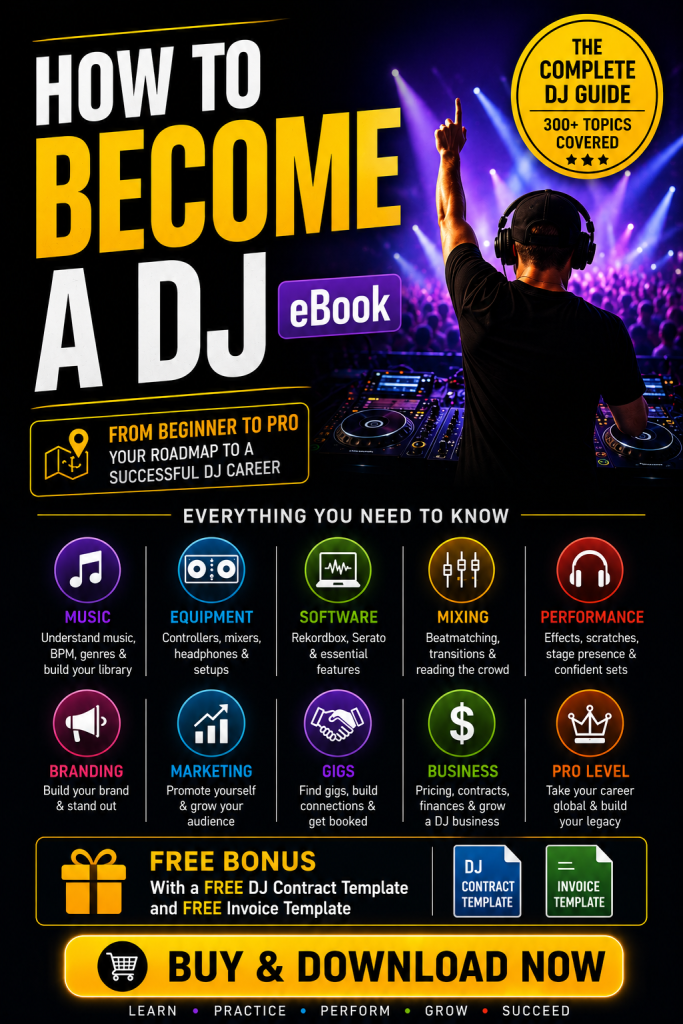
If you are serious about learning the foundations of DJing properly, this ebook gives you the complete roadmap from beginner to professional vinyl DJ.
This is not just another basic DJ guide. This is a complete step by step training system designed to help aspiring DJs build real confidence, develop professional skills, understand DJ business fundamentals, and create long term opportunities in the music industry.
Whether you are starting from absolute beginner level or looking to sharpen your vinyl mixing abilities, this ebook provides everything you need to begin your journey with clarity and confidence.
Vinyl DJing has experienced a major revival in recent years. Clubs, festivals, bars, lounges, weddings, and corporate events are increasingly booking DJs who can deliver authentic vinyl performances.
Why?
Because vinyl creates a unique atmosphere.
The warm analogue sound, the visual appeal of turntables, and the craftsmanship involved in mixing records gives audiences an experience that feels genuine, nostalgic, and premium.
Modern audiences appreciate authenticity more than ever before. Vinyl DJs stand out because they demonstrate real technical skill, music knowledge, and passion for the culture.
Learning vinyl DJing also builds stronger foundations than relying purely on automatic sync buttons and digital software. Once you master vinyl mixing, you develop timing, rhythm, ear training, and musical intuition that can elevate every part of your DJ career.
This ebook teaches you how to master those skills properly.
This comprehensive guide covers every major stage of becoming a successful vinyl DJ.
Discover the foundations of DJ culture, the history of vinyl DJing, and how professional DJs build successful careers.
Learn:
• What DJs actually do
• The different styles of DJing
• Club DJs vs mobile DJs vs radio DJs
• The mindset needed for success
• How vinyl culture shaped modern dance music
Great DJs understand music deeply.
Inside this chapter, you will learn:
• BPM and tempo
• Song structure and phrasing
• Understanding intros and outros
• Reading crowd energy
• Music genres and sub genres
• How to build smooth transitions
• How to select records professionally
Understanding music properly helps vinyl DJs create seamless sets that keep dancefloors moving.
One of the biggest questions beginners ask is:
“What equipment do I need to become a vinyl DJ?”
This ebook explains everything clearly.
You will learn about:
• Turntables
• Vinyl records
• Needles and cartridges
• DJ mixers
• Slipmats
• Headphones
• Speakers
• Audio cables
• Home studio setup
• Record storage and protection
You will also discover recommended beginner setups and professional upgrade options.
Even vinyl DJs use modern software tools today.
This chapter explains how to combine traditional vinyl techniques with modern technology including:
• Rekordbox
• Serato DJ
• Traktor
• DVS systems
• Recording your DJ mixes
• Organising your music library
• Digital vinyl systems explained
You will learn how to bridge old school vinyl skills with modern DJ workflows.
This is where the real magic happens.
Inside this section you will learn:
• Manual beatmatching
• Cueing tracks correctly
• Blending records smoothly
• EQ mixing
• Volume control
• Timing transitions
• Creating energy progression
• Developing your own mixing style
This chapter is designed to help complete beginners become confident vinyl DJs step by step.
Want to impress audiences with advanced techniques?
You will learn:
• Basic scratching techniques
• Baby scratches
• Cutting techniques
• Performance confidence
• Stage presence
• Reading live audiences
• Building performance flow
These skills help transform you from a beginner DJ into an entertaining performer.
The most successful DJs build strong personal brands.
This ebook teaches you how to:
• Choose a DJ name
• Create a professional image
• Build social media profiles
• Design logos and visuals
• Build authority online
• Create a unique musical identity
• Stand out in competitive markets
A strong DJ brand helps you attract more bookings and build long term recognition.
Many talented DJs fail because nobody knows they exist.
This section teaches powerful DJ marketing strategies including:
• Instagram marketing for DJs
• TikTok DJ promotion
• YouTube DJ mixes
• Facebook advertising
• SEO for DJs
• DJ website setup
• Email marketing
• Networking strategies
• Building loyal audiences
You will discover how successful DJs market themselves consistently to generate opportunities.
One of the hardest parts of becoming a DJ is getting booked initially.
This ebook explains exactly how to secure your first opportunities.
Learn how to:
• Approach venues professionally
• Contact promoters
• Build DJ press kits
• Get wedding DJ bookings
• Get corporate event gigs
• Build nightclub relationships
• Create demo mixes
• Increase referrals
You will gain practical real world strategies that help beginner DJs move into paid work faster.
Professional DJs treat their work like a business.
Inside this chapter you will discover:
• Setting DJ prices
• Invoicing clients
• DJ contracts
• Managing taxes
• Insurance for DJs
• Budgeting equipment purchases
• Building multiple income streams
• Creating financial stability
This chapter helps DJs avoid costly mistakes and build long term careers.
Want to produce your own music eventually?
This section introduces:
• Music production basics
• DAWs and software
• Sampling
• Remixing
• Creating edits
• Building original tracks
• Releasing music professionally
Producing music can massively expand your opportunities as a DJ.
Once you master the basics, this chapter helps you level up further.
Learn about:
• Harmonic mixing
• Advanced transitions
• Multi genre mixing
• Long blend techniques
• Creative performance ideas
• Building unforgettable DJ sets
These techniques help create professional sounding performances that audiences remember.
DJ life can be exciting but demanding.
This chapter explores:
• Mental health for DJs
• Burnout prevention
• Sleep and recovery
• Hearing protection
• Physical wellness
• Managing nightlife culture
• Maintaining healthy routines
Long term success requires balance and discipline.
This final chapter helps you transition from hobbyist to full time DJ.
Learn about:
• Building a full time DJ career
• Working internationally
• Corporate DJ opportunities
• Wedding DJ expansion
• Festival bookings
• Building a DJ agency
• Passive income opportunities
• Creating a lasting legacy
This section provides the motivation and strategy needed to think bigger about your future.
Unlike many generic DJ guides online, this ebook focuses on real world practical knowledge.
It combines:
• Vinyl DJ fundamentals
• Professional business advice
• Marketing strategies
• Career building techniques
• Modern technology integration
• Real performance skills
It is designed for people who genuinely want to become confident, successful DJs.
This guide is ideal for:
• Complete beginners
• Aspiring vinyl DJs
• House music DJs
• Wedding DJs
• Corporate event DJs
• Mobile DJs
• Club DJs
• Music enthusiasts
• Bedroom DJs wanting to go professional
Whether your dream is performing in clubs, private events, bars, festivals, lounges, or online platforms, this ebook gives you a proven roadmap.
Vinyl DJing teaches authentic manual mixing abilities that strengthen your timing and musical understanding.
Many DJs rely heavily on automation. Vinyl DJs often command greater respect because of their technical skill.
Vinyl creates atmosphere, nostalgia, and authenticity that audiences love.
You become more intentional with track selection, crate digging, and set building.
Vinyl DJs are increasingly booked for premium events, lounges, festivals, and specialist venues.
When you purchase this ebook, you will also receive:
Protect yourself professionally with a ready to use DJ contract template designed for gigs, private events, weddings, and corporate bookings.
This helps you:
• Avoid misunderstandings
• Secure deposits
• Define terms clearly
• Protect your business professionally
Look professional and streamline your payments with a downloadable DJ invoice template.
Perfect for:
• Corporate clients
• Weddings
• Private events
• Agencies
• Venue bookings
These bonus resources alone can save DJs significant time and stress.
This ebook is optimised around highly searched DJ topics including:
• How to become a vinyl DJ
• Vinyl DJ beginner guide
• Learn vinyl DJing
• Best vinyl DJ ebook
• How to DJ with turntables
• Vinyl DJ tutorial
• DJ mixing for beginners
• Beginner DJ guide
• DJ business tips
• Vinyl beatmatching guide
• DJ marketing strategies
• Professional DJ training
• Wedding DJ business
• Corporate DJ guide
• DJ branding tips
The music industry is constantly evolving, but one thing remains timeless: audiences love authentic experiences.
Vinyl DJing offers authenticity, skill, creativity, and personality in a world increasingly dominated by automation.
There has never been a better time to learn the craft properly.
With the rise of social media, streaming platforms, niche events, luxury experiences, and online branding opportunities, talented DJs now have more ways than ever to build careers independently.
This ebook gives you the roadmap.
The only thing left is to start.
If you are serious about becoming a skilled vinyl DJ, building confidence behind the decks, learning professional techniques, and creating real opportunities in the music industry, this ebook is the perfect place to begin.
Stop endlessly searching random videos online.
Stop guessing.
Start learning the right way with a complete structured roadmap designed for aspiring DJs who want real results.
Your future DJ career starts now.
Click Here to Buy the Ebook on Shopify