
I’m Jerry Frempong, a UK based DJ with over 25 years behind the decks, and I’ll tell you this straight up: becoming a festival DJ is not about luck, gimmicks, or overnight fame. It’s about skill, mindset, consistency, and learning the craft properly. I’ve played clubs, radio, festivals, private events, and international stages, released music, and lived this life from vinyl to digital. If you’re serious about learning how to become a festival DJ, this guide will put you on the right path, with real-world advice that works right now.
When people search for how to become a festival DJ, they’re usually imagining huge crowds, massive sound systems, and unforgettable moments. That dream is real, but the road there starts with understanding DJ fundamentals, music selection, crowd control, and professional DJ training. Festivals demand confidence, technical precision, and the ability to read energy on a much bigger scale than a bedroom or small club.
Understanding What a Festival DJ Really Is
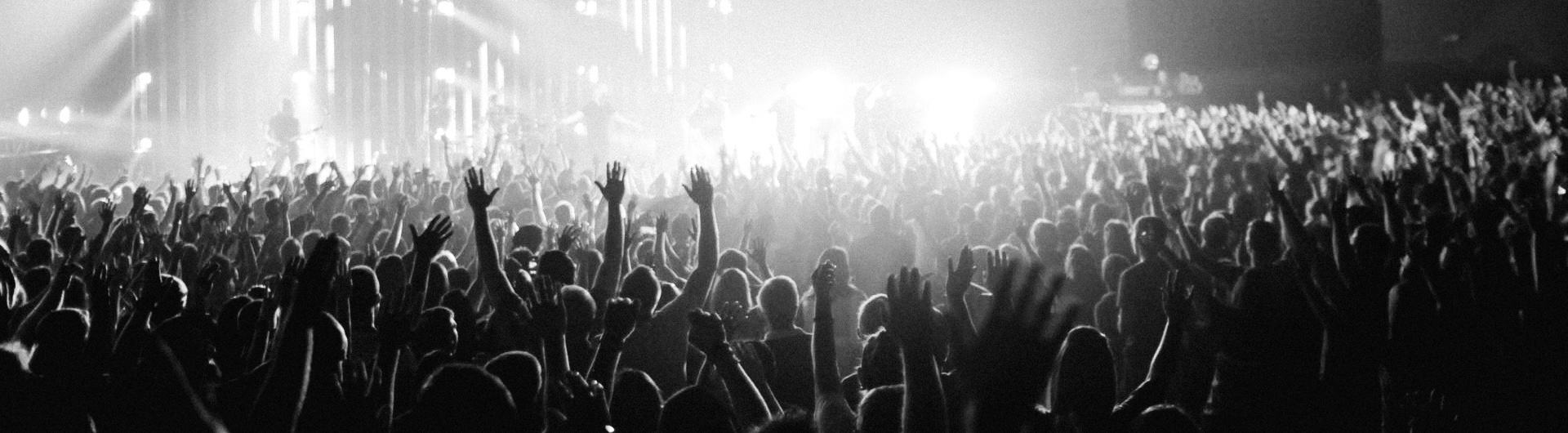
A festival DJ isn’t just someone who can mix two tracks together. A festival DJ is a performer, a curator of sound, and an energy controller. You’re playing to thousands, sometimes tens of thousands, of people who expect seamless transitions, powerful track selection, and a journey they’ll remember. Festival DJ skills go beyond basic beatmatching. You need strong phrasing, harmonic mixing, timing, and an instinct for when to lift or reset a crowd.
To become a festival DJ, you must first become a solid DJ in any environment. Clubs, radio shows, private events, and smaller stages all prepare you for the pressure and responsibility of festivals. Every experienced DJ knows that the biggest stages reward those who respect the fundamentals.
Learning DJ Skills the Right Way from Day One
One of the biggest mistakes I see new DJs make is trying to skip steps. They buy gear, watch random videos, and hope for the best. Proper DJ education saves you years of frustration. Learning with an experienced DJ who has played all over the world gives you shortcuts you simply cannot find online.
A structured beginners DJ course teaches you beatmatching, mixing techniques, phrasing, EQ control, gain staging, and how to avoid common mistakes that hold DJs back. When you’re learning from someone with over 25 years of experience, you’re not just learning how buttons work, you’re learning why certain decisions matter in real festival situations.
Starting with DJ Controllers
Most DJs today begin their journey on a DJ controller, and that’s absolutely fine. Controllers are accessible, powerful, and perfect for learning modern DJ software. In a proper beginners DJ course, you’ll learn how to set up your controller correctly, understand DJ software, manage your music library, and mix confidently without relying on sync as a crutch.
Learning on a controller helps you understand waveform reading, tempo control, cue points, loops, and effects. These are essential DJ skills that transfer directly to club and festival setups. Controllers build confidence and muscle memory, which is crucial when you eventually step onto a big stage.
Progressing to CDJs Like a Professional Festival DJ
If you want to play festivals, you must learn CDJs. Most festivals use industry standard CDJ setups, and walking into a booth without experience can kill your confidence instantly. Learning CDJs teaches you true independence from visual aids and strengthens your ear.
In a proper DJ course, you’ll learn how to prepare USBs correctly, analyse tracks, set cue points, manage rekordbox libraries, and mix comfortably without panic. CDJs teach discipline, precision, and adaptability, which are all essential for festival DJ success. When something goes wrong on stage, experience is what keeps the music flowing.
Understanding Vinyl and Why It Still Matters
Even in the digital age, learning vinyl DJing gives you an edge. Vinyl teaches you patience, timing, and respect for music structure. You learn to beatmatch by ear properly, feel the groove, and develop a deeper connection with tracks.
While you may not play vinyl at every festival, the skills you gain translate into stronger digital mixing. Vinyl training sharpens your instincts and makes you a more confident and versatile DJ. Many of the best festival DJs started on vinyl, and that foundation still shows in their control and musicality.
Music Selection and Knowing Your Era
To become a festival DJ, you must understand music history and crowd psychology. Practising with iconic tracks helps you understand why certain songs work and how energy builds over time. From my experience, learning tracks from influential eras gives you a solid musical backbone.
Ten popular tracks from a defining dance era that are perfect to practise mixing with include Daft Punk – One More Time, Eric Prydz – Call On Me, Faithless – Insomnia, Darude – Sandstorm, Underworld – Born Slippy, The Chemical Brothers – Galang, Basement Jaxx – Where’s Your Head At, Fatboy Slim – Right Here Right Now, Groove Armada – Superstylin’, and Deadmau5 – Strobe. These tracks teach structure, energy control, and long-form mixing, all crucial for festival sets.
Building Your Festival DJ Mindset
Festival DJing is as much mental as it is technical. You must believe you belong on that stage before anyone else does. Confidence comes from preparation, practice, and experience. Playing smaller gigs, recording mixes, and getting feedback builds resilience and stage awareness.
A proper DJ course with an experienced mentor helps you develop the right mindset. You learn how to handle nerves, recover from mistakes, and stay focused under pressure. These lessons are rarely talked about but make all the difference when you step in front of a massive crowd.
Branding Yourself as a Festival DJ
To become a festival DJ, you need more than skills. You need a clear identity. Your sound, your image, and your online presence must align. Promoters look for DJs who stand out and deliver consistent energy. Recording high-quality mixes, releasing original music, and building relationships within the industry are all part of the journey.
Learning from a DJ who has released music, played on radio, and toured internationally gives you insight into how the industry really works. You learn what promoters listen for, how to approach opportunities professionally, and how to grow sustainably rather than chasing hype.
Why Learning with an Experienced DJ Changes Everything
Learning with an experienced DJ of over 25 years means you’re gaining knowledge that took decades to earn. I’ve played clubs, festivals, radio shows, and private parties across the world, and every environment teaches different lessons. That experience allows me to guide beginners away from common traps and towards real progress.
The benefits of learning with an experienced DJ include faster skill development, real-world advice, confidence behind any setup, and a deeper understanding of music and performance. You’re not guessing, you’re learning from someone who has lived the life you’re aiming for.
A Basic Beginners DJ Course Structure
A strong beginners DJ course starts with understanding equipment and music theory, then moves into beatmatching, phrasing, and transitions. You learn controller skills first, then progress to CDJs, and finally explore vinyl fundamentals. Along the way, you develop track selection skills, set-building techniques, and performance confidence.
The course should also cover DJ etiquette, booth behaviour, sound system awareness, and preparation for club and festival environments. By the end, you should feel comfortable stepping into any DJ booth and delivering a professional set.
Turning Passion into Opportunity
If you’re serious about how to become a festival DJ, the time to start is now. Every successful DJ once stood exactly where you are, wondering if it was possible. With the right training, guidance, and mindset, it absolutely is.
I’ve seen students go from complete beginners to confident performers because they committed to learning properly. Investing in yourself, your skills, and your education is the fastest way to move forward in the DJ world.
This is your moment to stop dreaming and start doing. If you’re ready to learn how to DJ properly, build real festival DJ skills, and be guided by someone who has done it all, then take the next step.
Make an enquiry in the form below to get started on your journey to becoming a festival DJ.