

How to Prepare for Your First DJ Gig – A Complete Beginner’s Guide from a Professional DJ
If you are reading this, chances are you have landed your first DJ gig or you are very close to it. First of all, let me say this clearly and honestly: congratulations. Getting your first DJ booking is a big deal, and it is the moment where bedroom practice turns into real-world experience. I am Jerry Frempong, a UK-based DJ with over 25 years behind the decks, and I still remember my first DJ gig like it was yesterday. The nerves, the excitement, the fear of messing up, and the overwhelming desire to prove myself were all there. This guide is written to help you prepare properly, avoid common mistakes, and walk into your first DJ gig with confidence, professionalism, and the right mindset.
Understanding What Your First DJ Gig Really Is
Your first DJ gig is not about being perfect. It is not about showing off every trick you know or playing the most obscure tracks in your collection. Your first DJ gig is about learning how to read a crowd, manage pressure, and deliver a solid, enjoyable experience. From an SEO and practical perspective, many beginner DJs search for how to prepare for a DJ gig, what equipment to bring to a DJ gig, and how to play your first DJ set. The reality is that preparation is what separates a confident DJ from a nervous one.
You need to understand the type of DJ gig you are playing. Is it a house party, a bar, a club, a wedding, or a corporate event? Each one requires a slightly different approach. Knowing the venue, the crowd, and the expectations will shape everything from your music selection to your setup time.
Knowing Your Audience and Music Selection
One of the biggest mistakes beginner DJs make is focusing too much on what they want to play and not enough on what the audience wants to hear. Preparing music for your first DJ gig means researching the crowd. Ask the promoter or organiser about the age range, music style, and vibe they are expecting. Are they looking for commercial hits, house music, hip hop, afrobeats, or a mixed open-format set?
Build a well-organised DJ playlist with more music than you think you will need. You should never run out of tracks. Make sure your music library is properly analysed, tagged, and organised by genre, energy level, and BPM. This makes it easier to adapt on the fly. Crowd reading is a skill that develops over time, but preparation gives you confidence when you need to switch direction quickly.
Practising Your DJ Set the Right Way
Practising for your first DJ gig does not mean memorising a fixed set from start to finish. While it is useful to plan an opening section, you should avoid locking yourself into one rigid DJ set. Instead, practise mixing different types of tracks, transitioning between energy levels, and recovering from small mistakes. Trust me, mistakes will happen. What matters is how you handle them.
Record your practice sessions and listen back. This helps you identify clashing transitions, volume issues, and timing problems. Make sure your beatmatching, phrasing, and EQ control are solid. You do not need to be a technical wizard, but clean transitions and good track selection will always win over flashy tricks.
DJ Equipment Preparation and Technical Checks
Preparing your DJ equipment is one of the most important steps before your first DJ gig. Whether you are using DJ controllers, CDJs, turntables, or a laptop-based setup, you need to know your gear inside out. If the venue is providing equipment, ask for a full equipment list in advance. Find out the mixer model, decks, and sound system.
If you are bringing your own DJ equipment, double-check everything. Cables, headphones, USB sticks, laptop chargers, and backup drives should all be tested beforehand. Always carry spare USBs and essential cables. Technical issues are common, especially at beginner-level gigs, and being prepared makes you look professional.
Arrive early to set up and soundcheck. This is not optional. Early arrival allows you to test levels, check monitor placement, and get comfortable with the booth. It also gives you time to calm your nerves and focus.
Understanding DJ Sound Levels and Volume Control
One of the quickest ways to upset a venue or sound engineer is poor volume control. Learn how to manage gain staging, EQ, and master output properly. Louder is not always better. Your first DJ gig should sound clean, balanced, and comfortable for the room.
Pay attention to how the bass interacts with the room. Low frequencies behave differently in small and large venues. Avoid redlining your mixer. A clean sound will always be more impressive than a distorted loud one.
Building Confidence and Managing Nerves
Feeling nervous before your first DJ gig is completely normal. In fact, if you are not nervous, I would be more concerned. Confidence comes from preparation. When you know your music, your equipment, and your role, the nerves become excitement.
Before your set, take a few deep breaths and remind yourself why you started DJing in the first place. You are there to share music and create a vibe. The crowd wants you to succeed. They are not waiting for you to fail.
If something goes wrong, keep going. Most people will not notice small mistakes unless you panic and draw attention to them. Professional DJs learn to recover smoothly, and that skill starts at your very first DJ gig.
DJ Appearance and Professionalism
How you present yourself matters. You do not need expensive clothes, but you should look clean, confident, and appropriate for the venue. Being professional also means being polite, respectful, and easy to work with. Introduce yourself to the promoter, bar staff, and sound engineer. These relationships matter more than you think.
Turn up on time, stay focused, and avoid drinking too much during your set. Your reputation as a DJ starts from your first gig, and word travels fast in the music industry.
Reading the Crowd and Adapting Your DJ Set
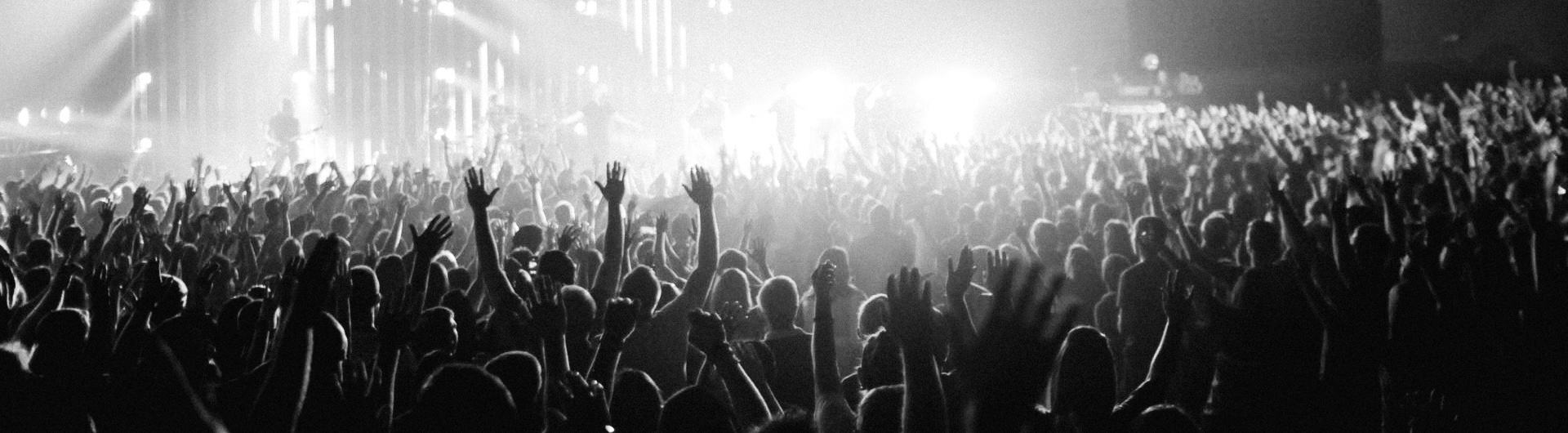
One of the most important DJ skills is crowd reading. Watch how people react to your tracks. Are they dancing, nodding, leaving the floor, or cheering? Use these signals to guide your next track choice.
Do not be afraid to change direction if something is not working. Flexibility is key. Sometimes the best DJ moments come from unexpected changes. Trust your instincts, but always respect the crowd’s energy.
Understanding DJ Transitions and Energy Flow
Energy management is what separates a good DJ from a great one. Avoid playing too many high-energy tracks too early. Build gradually, give the crowd space to breathe, and then lift them again. Think of your DJ set as a journey rather than a checklist.
Transitions should feel natural. Smooth blends, well-timed drops, and clean exits keep the flow moving. Silence and awkward stops kill momentum, so always have your next track ready.
Handling Requests at Your First DJ Gig
Requests are part of DJ life. Some will be great, some will be terrible. Listen politely and decide whether the request fits the vibe. You do not have to play every request, but how you respond matters.
If you cannot play a request, be respectful. A friendly attitude goes a long way. Sometimes a request can help you connect with the crowd and improve the atmosphere.
Post-Gig Reflection and Improvement
After your first DJ gig, take time to reflect. What went well? What could be better? This is how you grow. If possible, record your set and listen back. Ask for feedback from the promoter or other DJs.
Every DJ, no matter how experienced, learns from each performance. Your first DJ gig is the foundation of your journey, not the final destination.
Final Words from an Experienced DJ
After more than 25 years as a DJ, I can tell you this with confidence: preparation beats talent every time. Your first DJ gig is a milestone, and how you handle it sets the tone for your future. Stay humble, stay prepared, and stay passionate about music.
You will improve with every gig. You will make mistakes, and you will have moments that remind you why you fell in love with DJing. Walk into your first DJ gig prepared, confident, and ready to enjoy the experience. That mindset alone will take you further than you think.
If you take anything from this guide on how to prepare for your first DJ gig, let it be this: respect the craft, respect the crowd, and always keep learning. Your journey has just begun.