

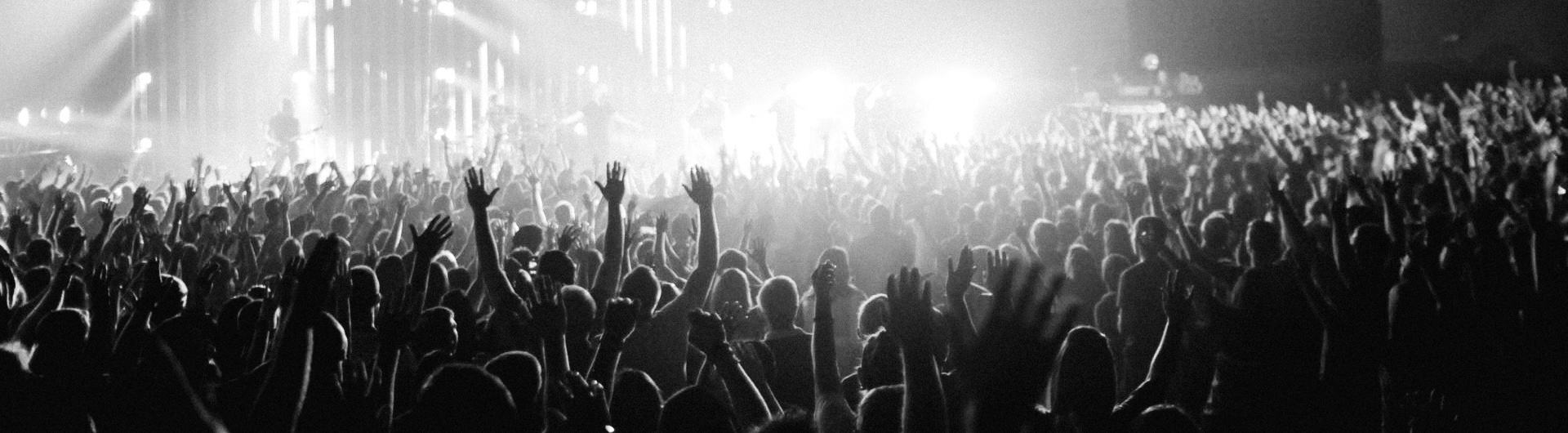
If you are new to DJing or thinking about stepping outside one specific music genre, open format DJing is one of the most exciting and rewarding paths you can take. I’m Jerry Frempong, a UK-based DJ with over 25 years behind the decks, and I’ve seen DJ culture evolve from vinyl-only nights to today’s digital, genre-blending dance floors. Open format DJing isn’t just a trend. It’s a skillset, a mindset, and for many DJs, the fastest route to consistent bookings and packed dance floors.
Open format DJing, at its core, means playing music across multiple genres in one DJ set. Instead of being locked into house, hip hop, R&B, afrobeats, pop, dancehall, or commercial chart music, an open format DJ moves freely between styles while keeping the crowd engaged from start to finish. This approach is especially popular in clubs, bars, weddings, private events, and corporate parties where the audience is diverse and expectations change throughout the night.
For beginners, open format DJing can feel overwhelming at first. You might wonder how to mix songs with different tempos, how to avoid clearing the dance floor, or how to build a DJ set that appeals to everyone. The good news is that with the right understanding, preparation, and attitude, open format DJing becomes one of the most enjoyable ways to DJ.
What Is Open Format DJing
Open format DJing is the art of selecting and mixing music from multiple genres in a single set while maintaining flow, energy, and crowd connection. Unlike genre-specific DJing, where the focus is on one style of music, open format DJs adapt in real time to the crowd, the venue, and the vibe.
An open format DJ might move from 90s R&B into modern hip hop, then into afrobeats, followed by a pop anthem or a dance classic. The key is not random song selection but intentional programming. Every track serves a purpose, whether it’s to lift energy, bring people back to the dance floor, or create a moment everyone remembers.
In the UK club and events scene, open format DJing is often the most commercially viable approach. Venues want DJs who can keep a wide range of people happy, from students and young professionals to older crowds celebrating milestones.
Why Open Format DJing Is Perfect for Beginners
For beginner DJs, open format DJing offers flexibility and opportunity. You are not restricted to one genre, which means you can explore different musical tastes and discover what resonates most with your audience. This style of DJing also opens the door to more gigs because you are useful in more situations.
When you can confidently play open format DJ sets, you become valuable to club promoters, bar managers, wedding planners, and event organisers. They know you can read the room and adjust your music selection on the fly.
From an SEO and career perspective, learning open format DJing early allows you to position yourself as a versatile DJ rather than being pigeonholed. Many of the most booked DJs in the UK started by mastering open format DJ sets before specialising later, if they chose to at all.
The Mindset of an Open Format DJ
Open format DJing starts in the mind. You must be open to different styles of music and respectful of what the crowd wants rather than what your ego prefers. After 25 years of DJing, one lesson stands above all others: the dance floor always tells the truth.
An open format DJ listens, watches, and reacts. You pay attention to how people move, how long they stay on the floor, and what happens when you change genres. This feedback loop helps you refine your DJ instincts faster than any tutorial.
Optimism is crucial. Not every transition will be perfect, especially when you’re learning. Mistakes happen, but confidence and recovery matter more than flawless mixes. The crowd responds to your energy as much as your technical skills.
Understanding Music Genres for Open Format DJing
To DJ open format effectively, you need a solid understanding of popular music genres and how they connect. Hip hop, R&B, pop, afrobeats, dancehall, house, garage, bashment, and commercial dance music all have different rhythms, structures, and emotional tones.
Spend time listening, not just mixing. Learn which songs are peak-time anthems, which tracks work early in the night, and which records are best for bringing people back after a lull. Knowing your music deeply is one of the strongest SEO-friendly signals of authority in DJ content and one of the strongest real-world signals of DJ competence.
Open format DJing rewards DJs who invest in music knowledge. The better you know your library, the smoother your transitions and the stronger your sets.
How Open Format DJ Sets Are Structured
A successful open format DJ set usually follows an energy curve. You warm the room, build momentum, hit peaks, and give people moments to breathe before lifting them again. This doesn’t require rigid planning, but it does require awareness.
Early in the night, open format DJing might lean towards familiar, mid-tempo tracks that encourage head-nodding and casual dancing. As the room fills, you introduce more energetic songs, popular sing-alongs, and crowd favourites. Later, you might push higher energy genres or throw in surprise throwbacks to reignite excitement.
The beauty of open format DJing is adaptability. If the crowd reacts strongly to one genre, you explore it further. If energy drops, you pivot. This flexibility is what makes open format DJing so powerful.
Mixing Techniques for Open Format DJing
Technically, open format DJing does not rely on beatmatching alone. While smooth transitions are important, open format DJs often use quick cuts, echo outs, spinbacks, drops, and wordplay to move between genres with different BPMs.
You don’t always need long blends. Sometimes the cleanest transition is a well-timed drop into a chorus everyone recognises. As a beginner, focus on clean transitions and confident timing rather than complex tricks.
Modern DJ software makes open format DJing easier than ever, with features like BPM sync, key analysis, and hot cues. Use these tools, but don’t rely on them blindly. Your ears and your crowd awareness are still your most important assets.
Reading the Crowd in Open Format DJing
Crowd reading is the heartbeat of open format DJing. You are constantly asking yourself what the room needs next. More energy, more familiarity, more rhythm, or more emotion.
Watch how different age groups respond to certain tracks. Notice how the dance floor reacts when you switch genres. Over time, patterns emerge. This is how experienced open format DJs seem to know what to play next without thinking.
Confidence grows with experience. Every gig teaches you something new, and every crowd is a lesson. Approach each set with curiosity rather than fear.
Building an Open Format DJ Music Library
Your music library is your toolbox. For open format DJing, it should be organised, labelled, and constantly updated. Quality matters more than quantity. You don’t need every song ever made, but you do need the right songs.
Focus on proven crowd favourites, clean edits, intro versions, and extended mixes. Keep your library fresh by staying aware of current charts, viral hits, and timeless classics.
As a UK DJ, I always recommend understanding regional tastes. What works in London might differ slightly from Birmingham, Manchester, or smaller towns. Open format DJing allows you to adapt while still maintaining your personal style.
Open Format DJing at Clubs, Bars, and Events
Open format DJing shines in environments where audiences are mixed. Clubs want energy, bars want atmosphere, and private events want familiarity and celebration. Learning how to adjust your open format DJ approach for each setting is a game changer.
In clubs, energy management is key. In bars, smooth flow and recognisable music often matter more. At weddings and parties, emotional connection and inclusivity are essential.
Being able to DJ open format confidently across these environments makes you more employable and more resilient in a competitive industry.
Common Mistakes Beginners Make in Open Format DJing
One common mistake is trying to play too many genres too quickly. Open format DJing is not about chaos. It’s about cohesion. Give genres time to breathe and let the crowd settle into a vibe before switching.
Another mistake is ignoring the crowd in favour of personal taste. Remember, open format DJing is service-based. You are there to create an experience, not to prove a point.
Finally, don’t underestimate preparation. Knowing your tracks, setting cue points, and understanding your equipment all reduce stress and improve performance.
How Open Format DJing Builds Long-Term DJ Success
Open format DJing builds versatility, confidence, and resilience. It teaches you to adapt, to communicate through music, and to connect with people from all walks of life.
From an SEO and branding perspective, positioning yourself as an open format DJ increases your visibility. People search for open format DJs because they want flexibility and reliability. By mastering this style, you align your skills with market demand.
After more than 25 years as a DJ in the UK, I can say this with confidence: open format DJing has kept my career alive, relevant, and fulfilling. It has taken me into rooms I never expected and allowed me to share music in ways that still excite me today.
Final Thoughts on Open Format DJing for Beginners
If you are starting your DJ journey, open format DJing is one of the smartest paths you can choose. It challenges you, stretches your musical knowledge, and rewards you with opportunity.
Approach it with curiosity, humility, and optimism. Learn your music, respect your crowd, and trust the process. Open format DJing is not about being everything to everyone, but about creating moments that people remember.
With time, practice, and passion, you’ll find your own voice within open format DJing. And when you do, you’ll realise it’s not just a style of DJing. It’s a way of connecting through music, night after night.