

The Most Common DJ Mistakes Beginners Make
I’ve been DJing professionally in the UK for over 25 years, playing everywhere from intimate private parties to packed clubs and large-scale events. I’ve trained new DJs, worked alongside seasoned professionals, and watched countless beginners grow into confident performers. One thing I can say with certainty is this: every DJ makes mistakes at the beginning. That’s not a problem. The real issue is repeating the same mistakes without understanding why they’re holding you back.
This blog post is written to help beginner DJs avoid the most common DJ mistakes, develop strong foundations, and build confidence behind the decks. If you’re just starting your DJ journey or you’ve been mixing for a while but feel stuck, this is honest, practical advice from real-world experience, not theory or hype.
Not Learning the Fundamentals of Beatmatching Properly
One of the biggest mistakes beginner DJs make is rushing past the basics of beatmatching. Modern DJ controllers and software make it easy to rely on sync buttons and visual waveforms, but skipping manual beatmatching limits your long-term growth. Beatmatching by ear trains your timing, musical awareness, and confidence.
When you don’t fully understand how tempo, phrasing, and rhythm work together, your mixes can sound rushed or messy even if they’re technically “in sync.” Learning beatmatching properly also prepares you for situations where technology fails, which happens more often than you’d think. Strong fundamentals separate DJs who last from those who fade out quickly.
Overloading DJ Sets with Too Many Effects
Another common DJ mistake beginners make is overusing effects. Filters, echoes, reverbs, and flangers can enhance a mix when used with intention, but when applied constantly they distract from the music. I’ve heard countless beginner DJ sets where every transition sounds like a special effects demo rather than a musical journey.
Effects should support the energy of the track, not replace good mixing. If your transitions only sound exciting because of heavy effects, that’s a sign the fundamentals need work. Clean blends, smooth phrasing, and tasteful EQ will always outperform effect-heavy mixes. Less really is more when it comes to professional DJ performance.
Ignoring Track Selection and Reading the Crowd
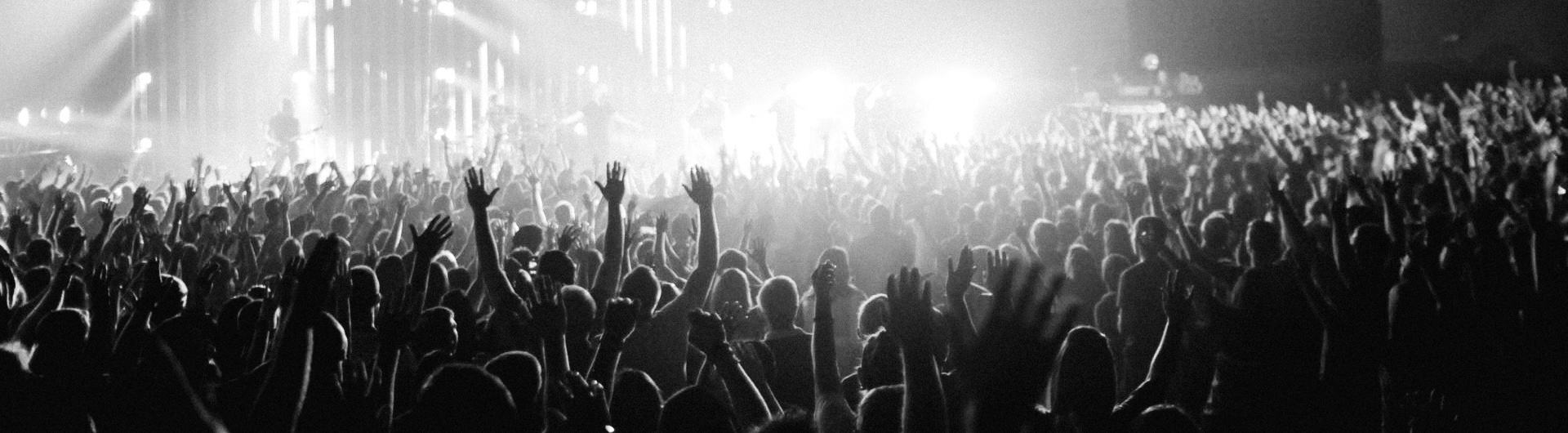
One of the most critical DJ skills is track selection, yet many beginner DJs focus almost entirely on mixing techniques. Mixing two tracks perfectly means nothing if the crowd isn’t feeling the music. A major DJ mistake is playing for yourself instead of the audience.
Learning how to read a crowd takes time, observation, and humility. Watch how people respond to different tempos, genres, and energy levels. Sometimes the track you love isn’t the track the room needs at that moment. Great DJs adapt, adjust, and guide the crowd rather than forcing a pre-planned set regardless of reaction.
Playing Music That Is Too Fast or Too Hard Too Early
Many beginner DJs feel pressure to impress by playing high-energy tracks constantly. This often leads to sets that peak too early and leave nowhere to go. Energy control is one of the most overlooked DJ skills. A great DJ set is about progression, not just impact.
Starting too fast or too heavy can exhaust a crowd rather than excite them. Building energy gradually creates anticipation and emotional connection. Understanding how to pace a DJ set is what turns a collection of tracks into a memorable experience.
Poor EQ Control During Transitions
EQ misuse is one of the most common DJ mistakes beginners make. Boosting all frequencies or failing to properly cut bass during transitions results in muddy, overpowering mixes. Bass clashes are especially noticeable on club sound systems and can instantly make a DJ sound inexperienced.
Learning how to use EQ correctly allows tracks to breathe and sit together naturally. Smooth transitions come from controlled EQ adjustments, not sudden cuts or excessive boosts. This skill alone can dramatically improve how professional your DJ mixes sound.
Not Knowing Your Music Library Well Enough
Another mistake beginner DJs often make is relying too heavily on playlists without truly knowing their tracks. When you don’t understand the structure, breakdowns, intros, and outros of your music, your timing suffers. You miss opportunities for clean mixes and risk awkward transitions.
Spending time listening to your music away from the decks is just as important as practising mixing. Knowing your tracks inside out gives you confidence and allows you to react creatively in the moment. Preparation is invisible to the crowd, but its impact is huge.
Practising Without a Clear Purpose
Many beginner DJs practise for hours without improving because their practice lacks focus. Simply mixing random tracks without goals can feel productive, but it slows progress. Effective DJ practice involves working on specific skills such as transitions, phrasing, or genre blending.
Recording your practice sessions and listening back is one of the most powerful ways to improve. You’ll hear mistakes you didn’t notice while mixing and identify patterns that need attention. Intentional practice builds skills faster and with far less frustration.
Focusing Too Much on Equipment Instead of Skills
Buying new DJ gear is exciting, but equipment obsession is a classic beginner DJ mistake. No controller, mixer, or software upgrade will fix weak fundamentals. I’ve seen DJs with modest setups outperform others with top-of-the-range equipment simply because their skills were sharper.
Learning how to get the best out of what you already own builds creativity and confidence. Once your skills outgrow your equipment, upgrades make sense. Until then, focus on mastering the tools you have rather than chasing the next shiny piece of kit.
Neglecting Volume Control and Sound Balance
Poor volume control is another mistake that can instantly damage a DJ’s reputation. Playing too loud too early, redlining the mixer, or ignoring sound balance can make a set uncomfortable rather than enjoyable. Louder does not equal better.
Understanding gain staging and respecting sound systems shows professionalism. Balanced sound keeps the music powerful without distortion and protects both equipment and ears. Sound quality is remembered long after fancy transitions are forgotten.
Failing to Build Confidence Through Small Wins
Many beginner DJs compare themselves to professionals too early and become discouraged. Confidence grows through consistent small improvements, not overnight success. Every smooth transition, well-timed track change, and positive crowd reaction matters.
Mistakes are part of learning, not signs of failure. Even after 25 years, I still learn something new regularly. DJing is a journey, not a destination, and growth comes from patience and persistence.
Not Understanding the Business Side of DJing
For those who want to DJ professionally, ignoring the business side is a major mistake. Reliability, communication, punctuality, and presentation matter just as much as mixing skills. Promoters and clients remember how you made their job easier, not just how you played.
Building a reputation takes time, but professionalism accelerates opportunities. Treat every booking as a chance to build trust, and work will follow naturally.
Final Thoughts from the Decks
The most common DJ mistakes beginners make are not signs of weakness; they are part of the learning process. What matters is awareness and willingness to improve. Focus on fundamentals, respect the music, read your crowd, and practise with purpose.
After more than two decades behind the decks, I can tell you this with confidence: the DJs who succeed are not always the most technically flashy, but they are consistent, adaptable, and passionate about their craft. Stay patient, keep learning, and enjoy the journey. If you do that, the rest will come naturally.