

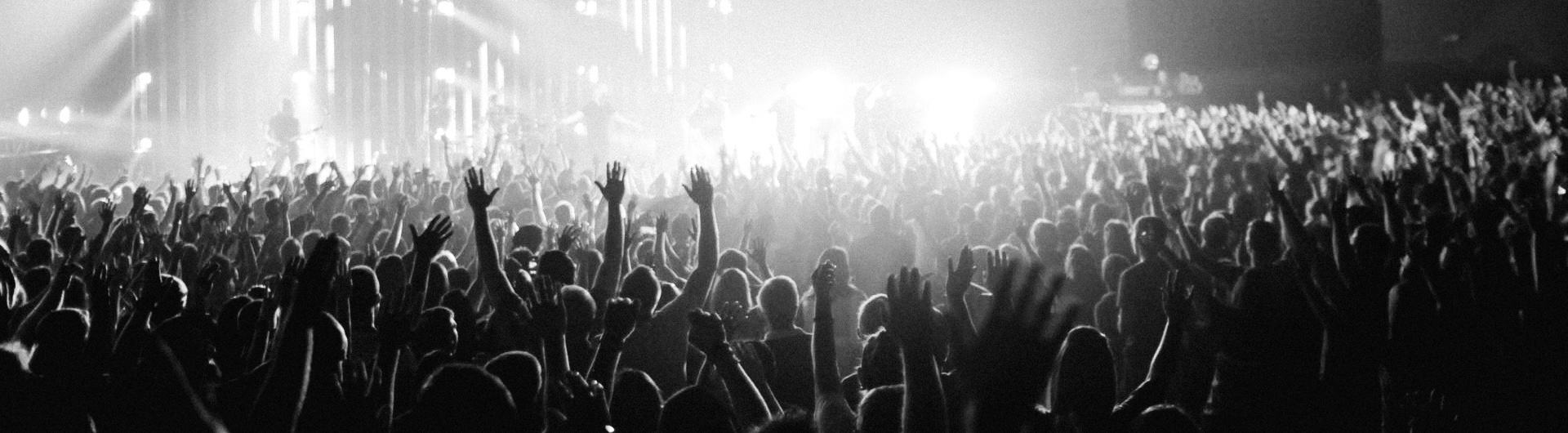
How Hard Is It to Become a DJ?
How Hard Is It to Become a DJ?
I’m Jerry Frempong, a UK-based DJ with over 25 years behind the decks, and I’ll be straight with you from the start. Becoming a DJ is not as easy as some people make it look on social media, but it is also far more achievable than many beginners fear. The truth sits somewhere in the middle, and if you understand that early, you give yourself a massive advantage.
People often ask me, “How hard is it to become a DJ?” What they’re really asking is whether they have what it takes, whether the DJ industry is overcrowded, and whether they’ll ever get paid to do something they love. The honest answer is that becoming a DJ is challenging, but not because of talent alone. It’s challenging because it demands consistency, patience, self-belief and a willingness to learn far beyond the basics.
In this guide, I’ll walk you through exactly what makes DJing hard, what makes it easier, and what you need to focus on if you want to succeed in today’s DJ scene.
What Being a DJ Really Involves Today
Many people think DJing is just pressing play and partying all night. That misconception is one of the biggest reasons beginners struggle. Being a DJ in 2026 means mastering music selection, understanding energy control, reading crowds, building technical skills, branding yourself, marketing your DJ services, networking, and often running yourself like a small business.
When you’re learning how to become a DJ, the technical side is only one piece of the puzzle. Yes, you need to learn beatmatching, mixing, phrasing and transitions, whether you’re using DJ controllers, CDJs or turntables. But what really separates average DJs from working DJs is musical judgement. Knowing what track to play next, at the right time, for the right audience, is a skill that takes years to refine.
This is where many beginners underestimate how hard it is to become a DJ. You can learn the basics of mixing in weeks, but developing taste, timing and confidence takes time.
Is DJing Hard to Learn for Beginners?
Learning to DJ as a beginner is far more accessible than it was when I started. Back then, we had vinyl, heavy record bags, and no YouTube tutorials. Today, beginner DJs have access to affordable DJ equipment, online DJ courses, free DJ software and endless tutorials.
From a technical standpoint, DJing is easier to start than ever. Modern DJ software helps with beatgrids, BPM detection and key analysis. This doesn’t make you a great DJ overnight, but it lowers the barrier to entry.
What still makes DJing hard is discipline. Practising regularly, even when no one is watching, is where most people fall off. Becoming a DJ requires repetition. Mixing the same transitions hundreds of times. Learning your music library inside out. Recording your mixes and listening back critically, even when it’s uncomfortable.
If you’re asking whether DJing is hard to learn, the answer is no if you commit to consistent practice, but yes if you expect fast results without effort.
How Long Does It Take to Become a DJ?
One of the most searched questions in DJ SEO is how long it takes to become a DJ. The realistic answer depends on your goals. If your goal is to DJ at house parties or small events, you can reach a competent level in three to six months of focused practice. If your goal is to become a professional club DJ, wedding DJ or touring DJ, you’re looking at years of learning, refining and networking.
I’ve been DJing for over 25 years, and I’m still learning. Music changes. Technology changes. Audiences change. The DJs who last are the ones who stay curious and adaptable.
Becoming a DJ is not a finish line. It’s a continuous process, and once you accept that, the journey becomes far more enjoyable.
Is the DJ Industry Oversaturated?
Another reason people think it’s hard to become a DJ is the belief that the DJ market is oversaturated. There are indeed more DJs now than ever before. Social media has made DJing look glamorous, and that has attracted a lot of newcomers.
However, there is a huge difference between someone who owns DJ equipment and someone who delivers value consistently. Venues, promoters and clients are always looking for reliable DJs who turn up on time, understand their crowd, and create an atmosphere.
From my experience in the UK DJ scene, there is always room for DJs who take the craft seriously. The industry isn’t oversaturated with good DJs who are professional, adaptable and easy to work with. That’s where the real opportunity lies.
The Mental Challenges of Becoming a DJ
One of the hardest parts of becoming a DJ is not technical at all. It’s mental. Self-doubt, comparison and fear of failure stop more DJs than lack of skill ever will.
You will have bad sets. You will clear dancefloors. You will get gigs where the crowd just isn’t feeling it. This happens to every DJ, no matter how experienced. The difference is how you respond.
Confidence in DJing comes from preparation. When you know your music, trust your instincts and accept that not every gig will be perfect, you grow faster. Learning how to handle pressure, especially in live environments, is a key part of becoming a successful DJ.
Is It Hard to Get DJ Gigs?
Getting DJ gigs is often harder than learning how to mix. This is where many DJs get stuck. Talent alone doesn’t book gigs. Relationships do.
When you’re starting out, you need to be proactive. That might mean playing for free at first, hosting your own events, livestreaming, or supporting more established DJs. Building a DJ brand takes time, especially in competitive cities across the UK.
Promoters and venues want DJs they can trust. Reliability, communication and professionalism matter just as much as your mixes. Once you understand that, getting DJ gigs becomes far less mysterious.
The Cost of Becoming a DJ
Another factor that makes people hesitate is cost. DJ equipment, software, music and marketing all require investment. The good news is that you don’t need the most expensive gear to become a DJ.
Many beginners make the mistake of upgrading too quickly instead of mastering what they already have. Focus on learning your setup properly before chasing new gear. Your skill will always matter more than your equipment.
Over time, as you start getting paid DJ gigs, your equipment pays for itself. Like any craft, DJing rewards patience and smart investment.
What Skills Make DJing Easier?
If you want to know how hard it is to become a DJ, you should also ask what skills make it easier. Musical curiosity is one of the most important. Great DJs listen more than they play. They study music history, genres and trends.
Adaptability is another key skill. Reading a crowd and adjusting your set on the fly separates confident DJs from nervous ones. Communication skills also matter more than most realise. Being approachable and professional opens doors that skill alone cannot.
Finally, resilience is essential. DJing involves rejection, quiet periods and unpredictable income. Those who succeed are the ones who keep going when motivation dips.
Can Anyone Become a DJ?
I genuinely believe that anyone with a love for music and a willingness to learn can become a DJ. Natural rhythm helps, but it’s not essential. What matters most is attitude.
If you’re prepared to practise, accept feedback and stay humble, DJing becomes less hard and more rewarding. The journey shapes you as much as the destination.
Is Becoming a DJ Worth It?
After 25 years as a DJ, I can say this with confidence. DJing is one of the most fulfilling things I’ve ever done. The ability to move a room, connect people through music and create memories is powerful.
Yes, becoming a DJ is hard at times. It tests your patience, confidence and work ethic. But if you love music and enjoy sharing it with others, the rewards go far beyond money.
Final Thoughts on How Hard It Is to Become a DJ
So, how hard is it to become a DJ? It’s challenging, but it’s not impossible. It’s demanding, but deeply rewarding. The difficulty comes not from complexity, but from commitment.
If you approach DJing with respect for the craft, a willingness to learn and the patience to grow, you’ll find your place. I’ve seen countless DJs come and go over the years, and the ones who last are never the most talented on day one. They’re the ones who stay consistent.
If you’re thinking about becoming a DJ, start now. Learn the basics, practise often, and remember that every great DJ once stood exactly where you are today, wondering if they were good enough.